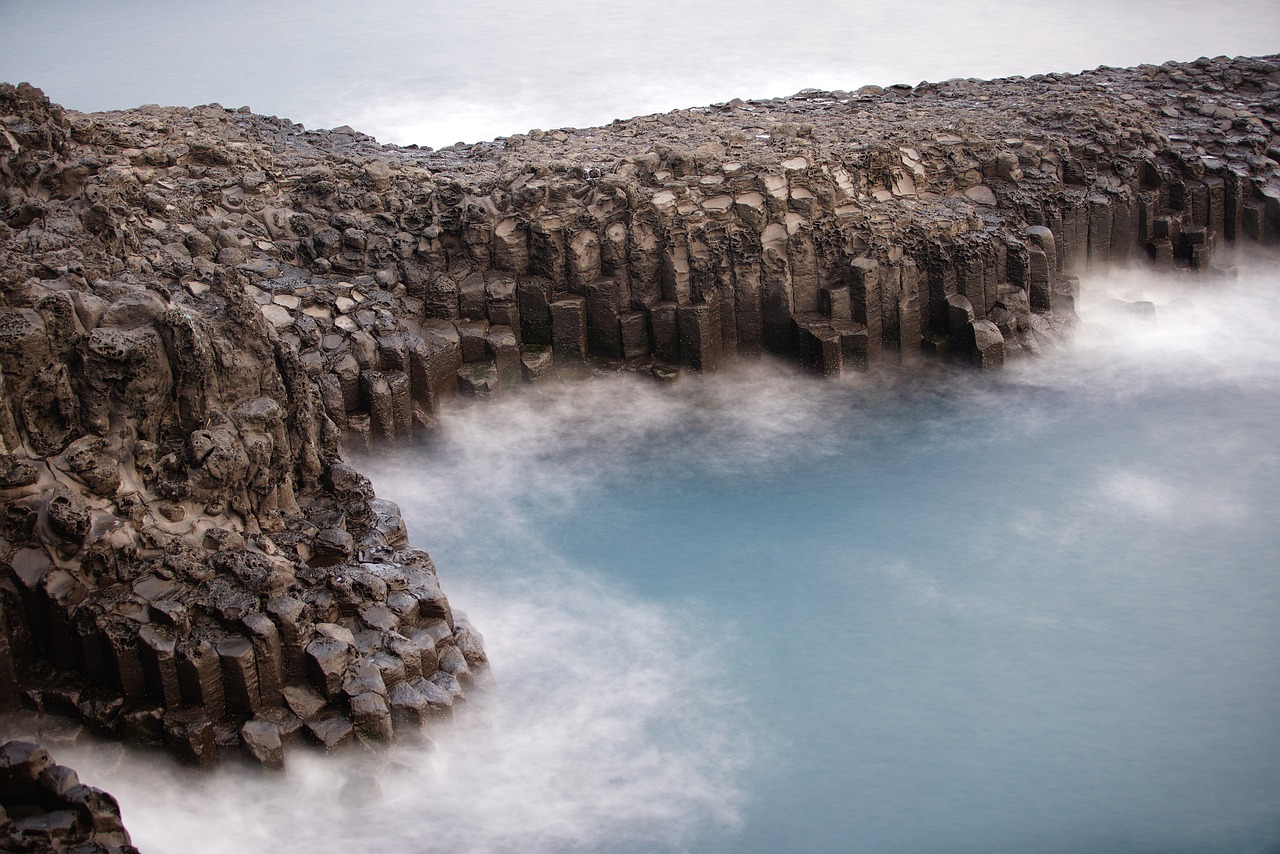
South Korea’s southern coast stretches across one of the country’s most rewarding yet undervisited regions. From the bustling port city of Mokpo to the dramatic cliffs and waterways of Yeosu, this coastline offers fresh seafood, island-hopping adventures, historic landmarks, and some of the most cinematic scenery in the country. Whether you’re planning a weekend escape from Seoul or building a full south coast road trip, here’s everything you need to know.
Mokpo: Gateway to a Thousand Islands
Mokpo sits at the southwestern tip of the Korean peninsula and serves as the main ferry hub for the Dadohae Haesang National Park — a sprawling archipelago of over 1,700 islands. The city itself is worth a day of exploration before you head offshore. Start at Yudalsan Park, where two peaks connected by a short ridge trail offer sweeping views over the harbour and the island-dotted sea. The walk to the summit takes around 40 minutes at a comfortable pace.
Down in the city, the Mokpo Modern History Museum (admission around ₩2,000) occupies a former Japanese colonial building and documents the city’s role in the independence movement. Nearby, the Natural History Museum (₩3,000 entry) houses one of Korea’s largest dinosaur fossil collections — genuinely impressive and often overlooked by foreign visitors.
For food, Mokpo is legendary for nakji (small octopus) — a coastal seafood culture similar in spirit to the seafood scene on Jeju Island. Head to the Dongmyeong-dong seafood street near the old harbour for a bowl of spicy nakji bokkeum with rice for around ₩12,000–15,000. The local specialty honghapbap (mussel rice) is another dish worth seeking out, available at restaurants along the waterfront for ₩8,000–10,000.
To reach Mokpo from Seoul, take the KTX from Yongsan Station — the journey takes approximately 2 hours 40 minutes and costs around ₩46,000–57,000 depending on the train class.
Island Hopping in Dadohae: Hongdo and Heuksando
The two most popular island destinations off Mokpo are Hongdo (Red Island) and Heuksando (Black Mountain Island). Ferries depart from Mokpo’s Coastal Ferry Terminal (연안여객터미널), a short taxi ride from the KTX station.
- Hongdo: About 2 hours 10 minutes by fast ferry (₩47,000 one way). Famous for its dramatic rock formations and walking trails. Cars are not permitted — the island is explored entirely on foot or by boat tour (₩15,000–18,000 per person). Accommodation is available in small guesthouses for ₩50,000–80,000 per night.
- Heuksando: Around 1 hour by fast ferry (₩25,000 one way). More laid-back than Hongdo, with terraced hillside villages, dried yellow corvina fish drying in the sea breeze, and quiet trails. The 홍어 (fermented skate fish) here is considered among the best in Korea — try it with makgeolli rice wine for the full experience.
- Ferries run multiple times daily in peak season (spring and autumn); always book ahead on the Gohang Ferry app or at the terminal ticket office.
Yeosu: Waterfront City with Serious Scenery
Yeosu, about 2 hours east of Mokpo by intercity bus (₩13,000–16,000), is the southern coast’s most photogenic city. It gained international attention as the host of the 2012 World Expo, and the Expo-era waterfront — now a leisure promenade — remains the city’s social hub. The Yeosu Cable Car (₩13,000 round trip) connects Dolsan Island to the mainland, offering bird’s-eye views of the islands and bays below, especially dazzling at sunset.
The most iconic sight is Odongdo Island, connected to the city by a 768-metre breakwater you can walk across in about 15 minutes. The island is covered in camellia trees that bloom brilliantly from February to March, and a small tourist train (₩1,500) runs the length of the causeway if you’d rather ride. Admission to the island itself is free.
History buffs should visit Jinnamgwan, one of the largest wooden pavilions in Korea, built in 1718 on the site of Admiral Yi Sun-sin’s naval headquarters — if this kind of history appeals to you, it’s worth pairing with a Gyeongju history trip further along the southeast coast. Entry is free and the structure is genuinely awe-inspiring. Nearby, the Admiral Yi Sun-sin Square along the waterfront makes for a scenic evening stroll with food stalls selling grilled shellfish for ₩5,000–8,000 a portion.
Yeosu is well connected by KTX from Seoul (about 3 hours 10 minutes, ₩52,000–65,000) — a similar journey time to some of the routes covered in our guide on how to get to Jeju Island from the mainland. From Yeosu, ferries also serve Geomundo (거문도), a remote three-island cluster about 2 hours offshore — a rewarding side trip for those with an extra day.
Practical Tips for the Southern Coast
- Best time to visit: April–May for mild weather and spring blooms; September–October for clear skies and comfortable temperatures. Summer (July–August) is busy and humid but ferries run most frequently.
- Getting between Mokpo and Yeosu: Direct intercity buses run several times daily (approximately 2 hours, ₩13,000–16,000). Renting a car gives flexibility for coastal villages in between.
- Accommodation: Both cities have a full range from budget guesthouses (₩35,000–50,000) to mid-range hotels near the waterfront (₩80,000–150,000 per night). Book ahead during national holidays and Golden Week.
- Cash and cards: Most restaurants and guesthouses on smaller islands accept cash only. Withdraw Korean won from ATMs in Mokpo or Yeosu before heading offshore.
- Language: English signage is limited outside tourist spots. Download the Papago app and save offline Korean phrases for ferry terminals and fish markets.
Should You Stop at Suncheon Bay on the Way?
If you’re driving or busing between Mokpo and Yeosu rather than flying between them, it’s worth building in a detour to Suncheon Bay National Garden and Wetland Reserve, roughly midway along the route and about 40 minutes from Yeosu by local bus. This is one of the largest coastal wetlands in the world and a completely different kind of scenery from the rocky islands further west — flat, golden reed beds threaded with tidal channels, best seen from the observation platform on Yongsan (용산), a short uphill walk from the wetland entrance (around 40 minutes round trip). Entry to the wetland and adjoining National Garden, which was built for the 2013 Expo, costs roughly ₩8,000–9,000 for a combined ticket as of 2026 — prices can change, so check the official site before visiting.
Suncheon suits a different traveller than Yeosu’s cable car and waterfront: choose Suncheon Bay if you want quiet, slow scenery and birdwatching (it’s a major wintering ground for hooded cranes between November and February), and choose Yeosu’s Dolsan and Odongdo area if you want a livelier evening with restaurants, cable cars, and night views. Many visitors treat Suncheon as a half-day stop rather than an overnight base, since Yeosu and Mokpo both have far more lodging and food options nearby.
A local tip that doesn’t show up on most tourism sites: the wetland boardwalk gets crowded with tour buses between 10am and 2pm during cherry blossom season and reed season (October–November) weekends. Arriving right at opening — usually 8am or 8:30am depending on the season — gets you the boardwalk and Yongsan viewpoint largely to yourself, with much better light for photographing the reed beds. If you’re travelling without a car, the direct bus from Yeosu’s bus terminal to Suncheon Bay runs roughly every 20–30 minutes and takes about 40 minutes, making a there-and-back half-day trip perfectly manageable before continuing on to Mokpo or heading back into central Yeosu for dinner.