Andong sits in the heart of North Gyeongsang Province, about 170 kilometres north of Daegu, and it wears its identity proudly: this is Korea’s unofficial capital of Confucian culture. The city and its surrounding valleys have preserved aristocratic yangban traditions, centuries-old clan villages, and some of the oldest wooden architecture on the peninsula. For visitors who want to look beyond Seoul’s neon signs and Busan’s beaches, Andong offers a slower, more contemplative version of Korea — one rooted in ritual, scholarship, and a fierce attachment to place, distinct from the temple-and-tomb history on show in nearby Gyeongju.
Getting to Andong from Seoul or Busan
From Seoul Cheongnyangni Station, Mugunghwa and ITX trains run directly to Andong Station in roughly 2 hours 30 minutes. Fares start at about ₩18,000 for a standard seat. Express buses from Seoul’s Dong Seoul Terminal (동서울터미널) depart frequently and take around 2 hours 40 minutes; tickets cost ₩17,000–₩20,000. From Busan, the most straightforward option is a bus from Busan Seobu Intercity Bus Terminal to Andong, around 2 hours 30 minutes for approximately ₩16,000. Once you arrive at Andong Bus Terminal or Andong Station, local buses numbered 46 and 67 connect the city centre to Hahoe Village — the journey takes about 40 minutes and costs ₩1,500. Taxis from downtown Andong to Hahoe run around ₩20,000–₩25,000 one way.
Hahoe Folk Village: What You Will Actually See
Hahoe Folk Village (하회마을) is a UNESCO World Heritage Site that has been continuously inhabited for over 600 years. The Ryu clan settled here in the early Joseon dynasty, and many of their descendants still live among the tiled-roof hanok homes today. The village sits inside a bend of the Nakdong River — hahoe literally means “river that curves around” — with Buyongdae Cliff rising on the opposite bank providing a classic postcard panorama. Unlike Seoul’s Bukchon Hanok Village, which sits inside a modern capital, Hahoe’s hanok homes are surrounded by farmland and river, not high-rises.
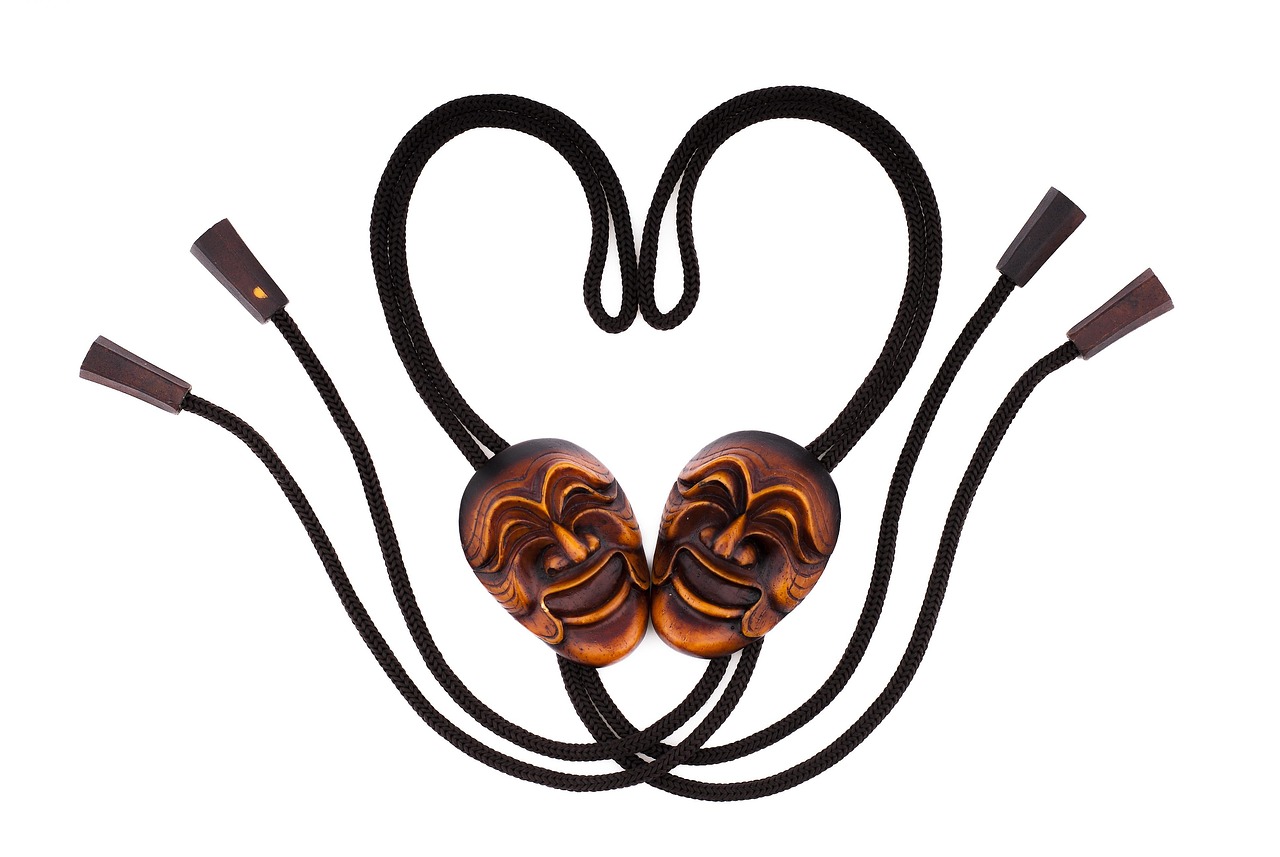
Admission to Hahoe is ₩3,000 for adults and ₩1,500 for children (prices are current as of 2026 and can change, so verify before you visit). The entrance fee is collected at the main gate, after which you walk or take a shuttle bus (₩2,000 round trip) to the village itself. Inside, the key buildings to seek out include Yangjindang (양진당), the ancestral home of the Ryu clan, and Chunghyodang (충효당), both of which are open for visitors to walk through. The village maskmaking tradition produced the famous Hahoe tal (하회탈), a set of wooden masks used in satirical performances; you can see originals at the Andong National Museum in the city, and replicas are widely sold throughout the village.
If your visit falls on a Saturday between March and November, stay until 3 pm for the Hahoe Byeolsingut Talnori mask dance performance — a free show held in the outdoor arena near the main entrance. The dance enacts social satire from the Joseon era, with stock characters including a corrupt monk, a butcher, and a nobleman. It runs for about an hour and requires no Korean to appreciate.
- Village entrance: ₩3,000 adults / ₩1,500 children
- Shuttle bus inside village: ₩2,000 round trip
- Mask dance performance: free, Saturdays March–November at 3 pm
- Buyongdae Cliff viewpoint: free, reached by ferry from inside the village (₩1,000)
Andong City Highlights Beyond Hahoe
Andong itself deserves at least half a day. Bongjeongsa Temple (봉정사), about 12 kilometres north of the city, contains Geungnakjeon Hall — the oldest surviving wooden structure in Korea, dated to the 9th century. Buses from Andong Terminal reach Bongjeongsa in around 30 minutes; admission is ₩2,000. On the walk up through the pine forest, the sound of the city disappears entirely.
Back in the city, the Andong Traditional Culture Content Center (한국문화테마파크) on the Nakdong River waterfront explains the Confucian heritage through exhibits and reconstructed spaces. Entry is free. Nearby, the Woljeong Bridge (월정교) is a reconstructed Joseon-era pontoon bridge illuminated beautifully after sunset — a short evening walk that costs nothing.
Andong jjimdak (안동찜닭) is the dish you must eat here. The braised chicken arrives in a large wok with glass noodles, potatoes, carrots, and a soy-based sauce that lands somewhere between sweet and spicy. The Andong Jjimdak Alley (찜닭골목) near Andong Bus Terminal has dozens of competing restaurants; a standard pot serving two people costs ₩25,000–₩30,000. Ganjang gejang (soy-marinated raw crab), another local specialty, is served at restaurants throughout the old market area for around ₩15,000–₩20,000 per portion. Travellers building a broader food-and-heritage itinerary often pair Andong with Jeonju’s hanok village and food scene further south.
Where to Stay and How Long to Spend
Two nights is the comfortable minimum for Andong. This gives you one full day for Hahoe Village and Buyongdae, and a second day for Bongjeongsa, the traditional market (안동구시장, open daily), and an evening walk along the river. Budget guesthouses near Andong Station start at around ₩35,000 per night for a clean private room. Mid-range hotels cluster near the bus terminal and run ₩70,000–₩100,000. For a more memorable stay, several hanok guesthouses inside Hahoe Village rent rooms for ₩80,000–₩120,000 per night — you wake up inside a 400-year-old neighbourhood, which is difficult to price.
The best seasons to visit are autumn (October–November), when the Nakdong River valley turns copper and gold, and the Andong Mask Dance Festival runs in early October drawing performers from across Korea and internationally. Spring cherry blossoms arrive in late March to early April. Summers are hot and humid but the rice paddies surrounding Hahoe are a vivid green; winters are cold but uncrowded, and the snow-dusted tiled rooftops of Hahoe are genuinely striking.
Dosan Seowon: The Confucian Academy Day Trip
If Hahoe shows you how Joseon-era clans lived, Dosan Seowon (도산서원) shows you how they studied. This Confucian academy sits on the northern shore of Andong Lake, about 25 kilometres from the city centre, and was founded in 1574 in honour of the philosopher Yi Hwang (also known by his pen name, Toegye), one of the most influential Confucian scholars in Korean history. His portrait appears on the ₩1,000 banknote, which gives some sense of how central he remains to Korean intellectual identity. Buses from Andong Terminal to Dosan Seowon run a handful of times a day and take about 40–50 minutes; admission is ₩1,500 for adults. There is no direct public transport link from Hahoe Village itself, so plan Dosan Seowon as a separate half-day trip from downtown Andong rather than trying to combine it with Hahoe in one outing — that is the single biggest itinerary mistake first-time visitors make here.
The academy complex is modest by the standards of Korea’s larger palaces, and that restraint is the point: lecture halls, a small library, and dormitories are arranged around quiet courtyards designed to encourage contemplation rather than display wealth. Walk up to Nongunjeong pavilion for a view over the lake, and take time in the library building, which once held woodblocks used to print Confucian texts distributed across the country. Compared to Hahoe, which suits travellers who want architecture, atmosphere, and a lived-in village to wander, Dosan Seowon suits those specifically curious about the intellectual and educational side of Confucian tradition — if you only have one day in Andong, Hahoe is the stronger choice, but if you have two days and any interest in Korean philosophy or education history, Dosan Seowon rewards the detour.
A practical tip most guidebooks skip: the ticket booth at Dosan Seowon closes for lunch between roughly 12:30 and 1:30 pm, and the last entry is generally 30 minutes before closing (closing time shifts seasonally, so check locally or ask your accommodation to confirm before setting off — treat these hours as indicative rather than fixed). Arriving mid-morning avoids both the lunch closure and the small tour-bus groups that tend to appear in early afternoon. There is a small café near the car park serving coffee and simple snacks, but no real restaurant on site, so eat before you come or bring something with you.