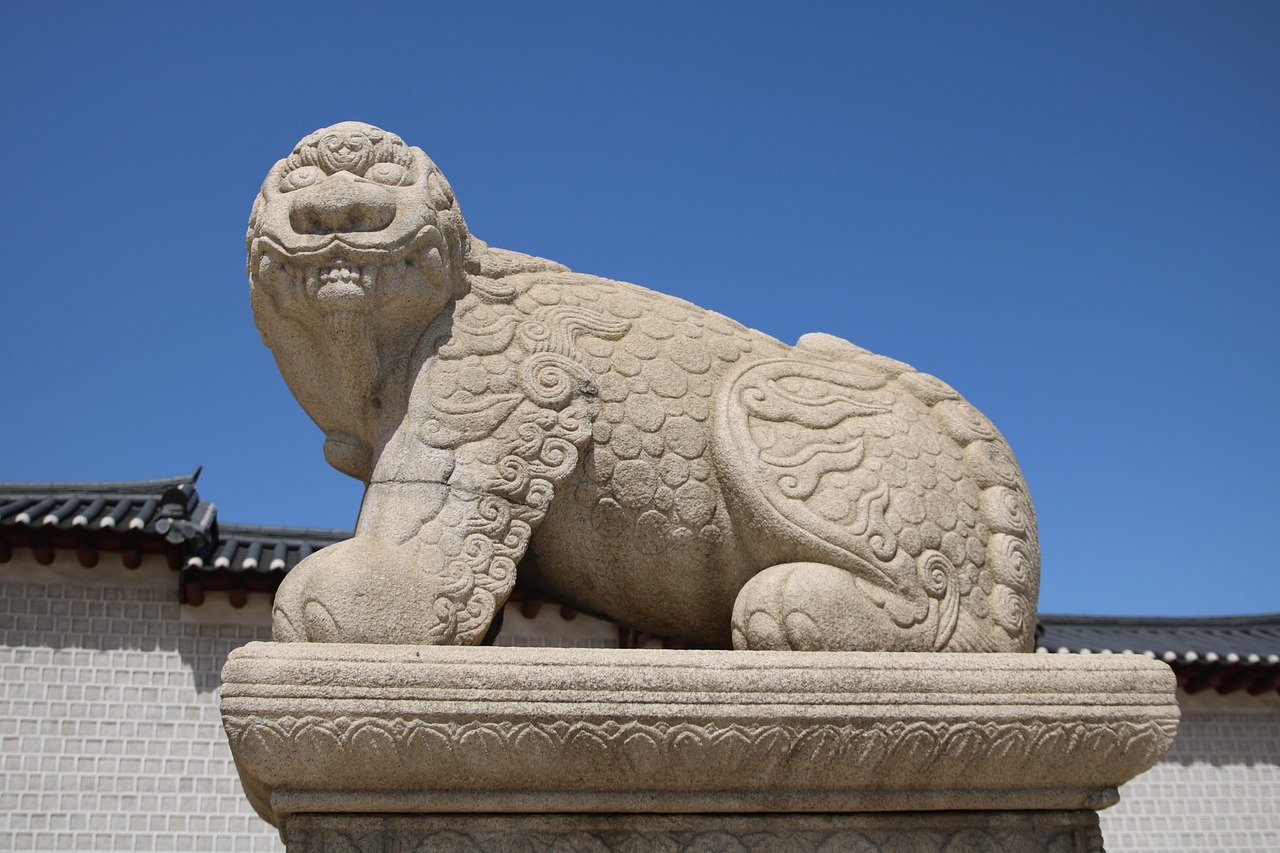
Korea’s royal palaces are beautiful photo spots, but they are also national heritage sites. Visitors should treat places like Gyeongbokgung, Changdeokgung, Deoksugung, Changgyeonggung, and Jongmyo with more care than an ordinary park. The key etiquette is simple: stay out of restricted areas, keep noise down, protect heritage structures, follow staff directions, and wear hanbok properly if using the free-admission benefit.
This guide explains how to enjoy Korean palaces respectfully.
Quick Answer
Do not smoke, do not enter restricted areas, do not climb or touch heritage structures, keep noise low, follow staff directions, take photos without blocking paths, and check official hanbok guidelines if you want free admission.
Why Palace Etiquette Matters
Royal palaces are not only tourist attractions. They are preserved cultural heritage sites connected to Korea’s Joseon dynasty, royal rituals, architecture, and public memory.
That means visitor behavior affects:
- preservation of buildings and grounds
- comfort of other visitors
- safety during crowded events
- dignity of cultural spaces
- future access for everyone
Most rules are common sense, but crowded photo culture makes reminders useful.
Rules Visitors Should Know
Basic palace rules include:
- stay on open paths
- do not enter restricted areas
- do not climb walls, stones, stairs, railings, or structures
- do not touch fragile heritage surfaces
- follow staff and security instructions
- keep noise controlled
- do not bring flammable materials
- respect closing times
If an area is roped off, it is closed even if other visitors cross it. Do not follow bad behavior.
Hanbok at Palaces
Hanbok is welcome at many royal palaces, and eligible hanbok wearers may receive free admission under official guidelines. But the hanbok must be worn properly.
Practical visitor advice:
- wear both upper and lower hanbok garments
- keep fastenings and ties properly worn
- avoid overly revealing or costume-like modifications
- ask the rental shop if the outfit qualifies
- check the official palace guidelines before visiting
Hanbok can make the visit more memorable, but it does not exempt visitors from normal heritage rules.
Photography Etiquette
Palaces are popular photo locations. Take photos, but do it with awareness.
Good photo etiquette:
- do not block gates, bridges, or narrow paths
- move after taking your shot
- avoid photographing strangers closely
- do not climb structures for a better angle
- follow no-flash or no-photo signs indoors
- keep tripods or large gear out of busy paths
If you are filming social media content, keep commentary low and avoid turning shared heritage spaces into a private set.
Crowds and Group Visits
Palaces can be crowded during weekends, spring blossoms, autumn foliage, night openings, holidays, and special events.
For smoother visits:
- arrive early
- book timed events in advance
- keep groups together without blocking paths
- step aside for explanations
- let others take photos too
- follow guide and staff instructions
If traveling with children, explain that palace buildings are not playground equipment.
Food, Drinks, and Smoking
Entire heritage premises may be designated as non-smoking areas. Smoking at palaces is not only rude, it may violate site rules.
Food and drink rules depend on the site and event. As a general rule, avoid eating near heritage buildings and dispose of trash properly.
Never bring open flames, camping gear, fireworks, or flammable materials into heritage sites.
Respectful Itinerary Tips
A respectful palace visit is also a better visit.
Try this:
- visit early morning for quiet photos
- use official guided tours when available
- read signs before entering halls
- combine palace visits with nearby museums
- choose comfortable shoes
- plan restroom and water breaks
Do not rush five palaces in one day unless you only want photos. Palace architecture rewards slower looking.
FAQ
Common Mistakes Foreign Visitors Make at Korean Palaces
Unlike many Western heritage sites where velvet ropes and glass barriers do the work, Korean palaces rely heavily on visitor self-regulation. Signs are sometimes only in Korean, and staff may not intervene until a rule has already been broken. Knowing what trips up first-time visitors helps you avoid an awkward correction in front of a crowd.
- Stepping onto raised stone platforms: The stone podiums beneath throne halls look like natural photo positions, but they are classified heritage structures. Climbing them — even briefly for a photo — is prohibited and can result in staff asking you to leave the area.
- Treating the grounds like a city park: Picnicking, spreading blankets on palace lawns, and playing amplified music are not permitted. The atmosphere is closer to a national monument than a public garden.
- Wearing hanbok incorrectly for free admission: The hanbok free-entry benefit applies only to traditional Korean hanbok, not fusion or “modern hanbok” fashion styles. Each palace posts its own guidelines; Gyeongbokgung and Changdeokgung have slightly different rules, so check the official palace website before you rent.
- Assuming all areas are open: Inner palace buildings and some garden paths are closed on a rotating basis for conservation work. Even if a gate appears open, look for orange cones or rope barriers before entering.
- Loud group gatherings near ceremonial spaces: Areas around Jongmyo Shrine in particular are treated with near-religious solemnity. Group tours should keep voices low and pause any commentary near the main shrine buildings.
Practical Visitor Tips Before You Arrive
A small amount of preparation makes palace visits much smoother. Most of the Five Grand Palaces share the same ticketing system, and combined or integrated passes are available at some sites. Arriving at opening time (typically 09:00) means smaller crowds at chokepoints like Gwanghwamun Gate and the Gyeonghoeru Pavilion area. Guided tours in English are offered at Gyeongbokgung and Changdeokgung’s Secret Garden — the Secret Garden tour requires a separate timed reservation and sells out on weekends. Photography is welcome throughout open areas, but selfie sticks are prohibited inside enclosed buildings. If you are visiting with children, note that stroller access is limited on gravel paths in older sections of the grounds.
Can I take photos at Korean palaces?
Generally yes in outdoor areas, but follow posted signs, avoid restricted areas, and do not block other visitors.
Is smoking allowed at palaces?
No. Heritage sites commonly restrict smoking, and visitors should treat palace grounds as non-smoking.
Can I wear hanbok for free admission?
Eligible hanbok may qualify at official royal sites. Check current guidelines and wear it properly.
Can children run around palace grounds?
Children can enjoy the space, but climbing, shouting, and touching heritage structures should be avoided.
Can I wear a modern or fusion hanbok to get free palace admission?
Most palaces require traditional Korean hanbok — not modern or fusion styles — to qualify for free admission. Each palace sets its own definition, and staff at the entrance make the final call. If you are renting hanbok near the palace specifically for the free-entry benefit, ask the rental shop whether their garments are accepted at that specific palace before you pay.
Are there any behaviors at Korean palaces that seem harmless but are actually prohibited?
Yes, several. Sitting or standing on stone podiums beneath throne halls is prohibited even though they look accessible. Spreading a picnic blanket on the lawn, playing music from a portable speaker, and entering buildings that have no visible lock but are roped off are all against palace rules. At Jongmyo Shrine, the atmosphere is especially formal — keeping noise to a minimum near the main shrine buildings is expected even when no ceremony is taking place.