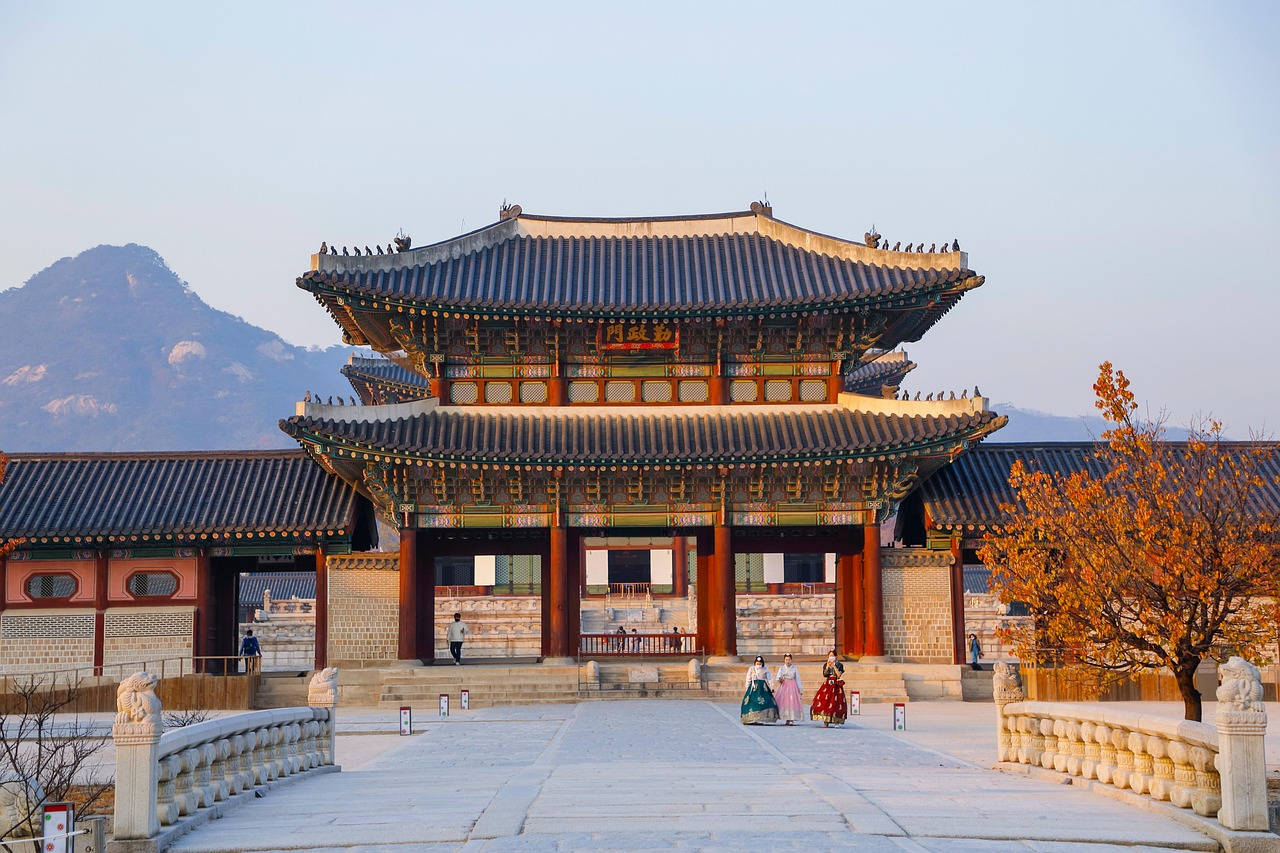
Korea is extremely photogenic, and visitors take photos everywhere: palaces, cafes, street markets, subway entrances, hanok alleys, K-pop events, and restaurants. But not every photo is socially comfortable or allowed. The safest rule is simple: photograph places freely when it is clearly allowed, but ask before making a person the subject of your photo.
This guide explains when to ask permission, where photography is sensitive, and how to avoid privacy mistakes while traveling in Korea.
Quick Answer
Ask before photographing people closely, staff, children, monks, performers off-stage, private businesses, temple interiors, and anyone in a vulnerable or embarrassing situation. Follow no-photo signs at palaces, museums, events, shops, and religious sites.
The Basic Photo Rule
In Korea, casual travel photography is normal. Taking a wide photo of a street, palace courtyard, food table, skyline, or market is usually fine when the place allows photography.
The problem starts when a person becomes the focus.
Ask permission when:
- a person’s face is clearly the subject
- you are taking a close-up
- the person is working
- the person is eating
- the person is praying
- the person is a child
- the photo could embarrass someone
- you plan to post it publicly
If you cannot ask, avoid the shot or frame it so people are not identifiable.
Street Photography
Street photography exists in Korea, but visitors should be more careful than in places where strangers expect to be photographed constantly.
Good habits:
- photograph streets, signs, food, buildings, and atmosphere
- avoid following people with a camera
- do not zoom in on strangers
- stop if someone looks uncomfortable
- blur faces before posting if people are recognizable
- avoid filming inside crowded subway cars
Even when a photo is not obviously illegal, it can still feel rude.
Palaces, Museums, and Temples
Major tourist sites often allow outdoor photos, but heritage and religious spaces have rules.
At palaces:
- stay out of restricted areas
- do not climb structures for photos
- do not block gates or bridges
- follow no-photo signs indoors
- avoid disruptive photo shoots
At temples:
- ask before photographing monks
- avoid photographing worshippers
- do not use flash inside halls
- follow signs around shrine interiors
Museums and galleries may restrict flash, tripods, video, or photography altogether.
Restaurants, Shops, and Cafes
Food photos are common in Korea, especially in cafes and restaurants. But photographing staff, kitchens, other customers, or private interiors can be sensitive.
Ask before:
- filming staff preparing food
- photographing a shop owner closely
- filming inside a small boutique
- recording a full restaurant tour
- using tripods or lights
Some cafes welcome photos; others limit commercial filming. If you are creating content for a monetized channel, ask more clearly.
Children and Families
Be very careful with children. Do not photograph or post identifiable children without parent or guardian permission.
This includes:
- children in hanbok at palaces
- kids playing in parks
- families eating in restaurants
- school groups at museums
- children in public transport
If a child appears incidentally in the background, consider cropping or blurring before posting.
Events and Performances
K-pop events, concerts, fan meetings, musicals, exhibitions, and traditional performances may have strict filming rules — see our K-Pop event etiquette guide for more detail.
Check:
- ticket terms
- venue signs
- staff announcements
- camera restrictions
- livestream rules
- professional equipment bans
If staff says filming is not allowed, stop immediately. Arguing can get you removed.
Social Media Posting
Posting can create a second privacy issue beyond taking the photo.
Before posting:
- remove close-up strangers
- blur faces when practical
- avoid mocking captions
- do not post staff mistakes
- avoid exposing hotel room numbers or private addresses
- do not geotag quiet residential alleys in a way that drives crowding
The best travel content respects the people who live in the destination.
FAQ
How Korea’s Photo Culture Differs From What Many Visitors Expect
Unlike many Western countries where photography in public spaces is broadly protected, Korea places strong cultural and legal weight on personal privacy — especially since the Personal Information Protection Act and strict anti-voyeurism laws were strengthened in the 2010s. In practice, this means the social expectation around photography is more conservative than what many travelers from North America or Europe are used to. A local walking past a café might feel genuine discomfort if they notice a tourist’s camera pointed in their direction, even outdoors. This is not hostility — it is a deeply held norm around image rights.
The contrast is especially noticeable in market and street food settings. At a place like Gwangjang Market, the temptation to photograph vendors cooking is understandable — the visuals are incredible. But vendors who have appeared in travel content without consent have sometimes faced unwanted attention or harassment online. A quick gesture toward your camera and a questioning look is usually enough to ask; most vendors will either smile and nod or politely wave you off.
Common Photography Mistakes Visitors Make in Korea
Being aware of these situations before you travel will save you awkward moments and genuine offence:
- Photographing café interiors as decoration shots — Many specialty cafés in Seoul display “no photography” signs to protect their concept and staff. Always check before shooting, even if other customers are present.
- Filming K-pop fan events or idol sightings — Unofficial fan gatherings and airport arrivals sit in a grey zone. Other fans may actively block your shot if you are not part of the fandom community; security staff at official venues will enforce no-recording policies strictly.
- Using a zoom lens at hanbok rental zones — Visitors wearing rented hanbok near Gyeongbokgung often assume everyone wants to be photographed. Some do; others are simply there for a personal experience. Ask first, even if the subject is also a tourist.
- Photographing Buddhist monks without permission — At active temples like Jogyesa in central Seoul, monks are practitioners at work, not photo subjects. Stepping back and photographing the temple building is always fine; making a monk the focus of a portrait is not appropriate without a clear nod.
- Posting candid photos to social media — Even if taking a photo felt acceptable in the moment, sharing an identifiable person’s image publicly without consent can create legal exposure under Korean privacy law.
Can I take photos in public in Korea?
Often yes, but avoid making strangers the clear subject without permission.
Can I photograph palaces?
Outdoor palace photography is generally common, but follow restricted-area, no-photo, and staff instructions.
Can I film inside restaurants?
Sometimes, but ask before filming staff, other customers, kitchens, or small private spaces.
What should I do if someone asks me to delete a photo?
Stay calm, apologize, and delete it if their concern is reasonable. Respect matters more than the shot.
Can tourists be fined for taking photos of people in Korea without permission?
Criminal fines under Korea’s anti-voyeurism law apply primarily to covert or sexually motivated photography. However, civil complaints are possible if an identifiable person’s image is shared publicly without consent under the Personal Information Protection Act. The practical risk for most tourists is social — being asked to delete photos or confronted by the subject — rather than immediate arrest. Still, respecting consent norms protects you and the people you photograph.
Is it okay to photograph food at Korean restaurants?
Yes — photographing your own meal is completely normal in Korea and staff expect it, particularly in trendy Seoul restaurants. What to avoid is turning your camera toward other diners’ tables or kitchen staff without asking. If a restaurant has a no-photography sign (sometimes displayed for interior design or recipe protection), honour it even for food shots.