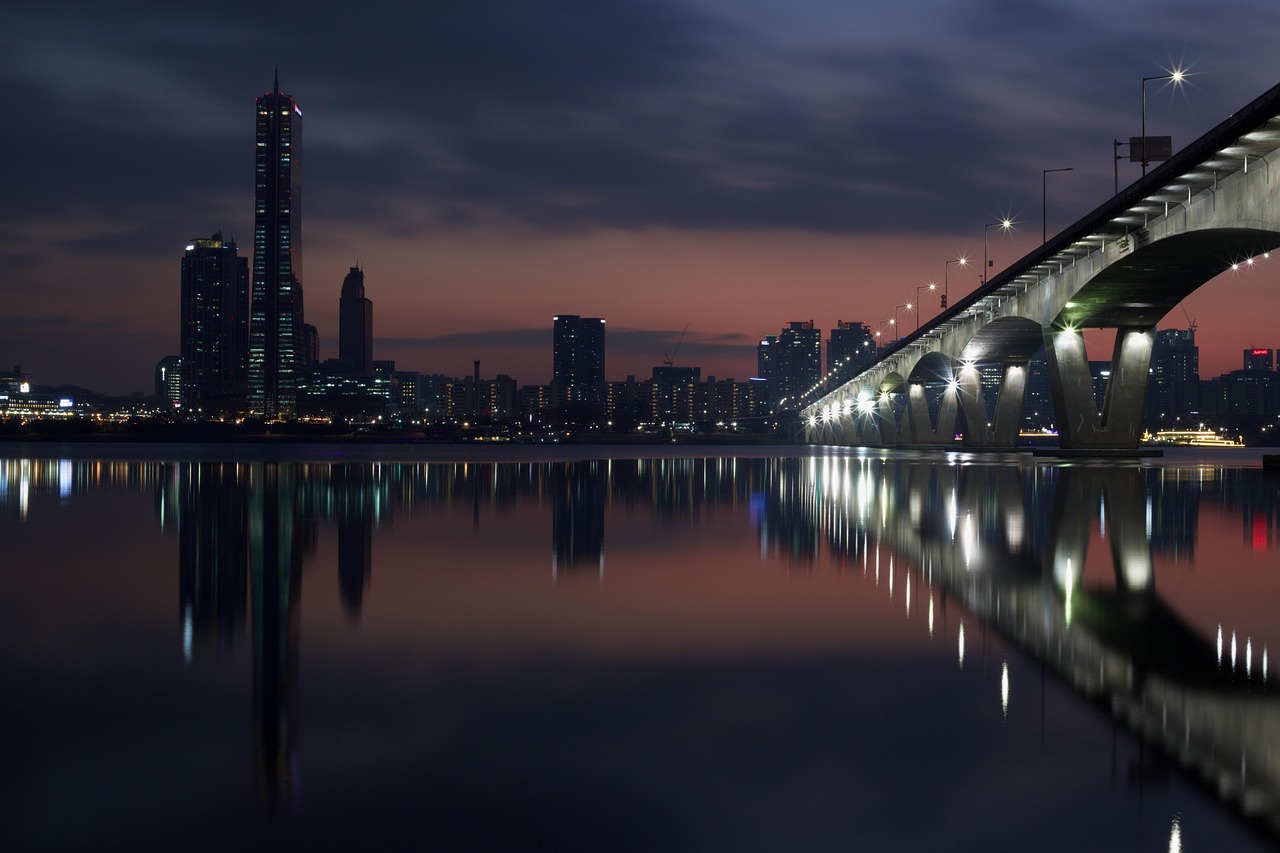
Miss the last subway in Seoul and you are facing a taxi queue that stretches half a block, surge pricing that can push a short ride past ₩30,000, and a driver who may or may not know exactly where your guesthouse is. Korea’s public transit is genuinely excellent, but it runs on a clock — and knowing exactly when that clock stops, and what to do when it does, separates the prepared traveler from the one sleeping on a convenience store bench.
Last Train Times: Seoul, Busan, and the Key Lines to Know
Seoul Metro runs from roughly 05:30 until around 23:30–00:10 depending on the line and direction. The exact last-train time varies by station and whether you are heading toward the start or end of the line, so the safest rule is to be on a platform by 23:15 if you want a comfortable buffer. Line 2 (the green circle line) tends to run the latest because it loops, but do not count on it past midnight — if you want the full rundown on how to ride the Seoul subway, it is worth reading before you rely on a late-night transfer. The KTX and Mugunghwa intercity trains from Seoul Station stop earlier — the last KTX departure to Busan is typically around 22:00 from Seoul Station, and the last Busan-bound train overall leaves around 23:00. Check Korail’s app or the station departure board on the day of travel because schedules shift seasonally.
Busan Metro (1, 2, 3, and 4 lines) follows a similar pattern: service ends between 23:00 and 23:30. The Donghae Line (suburban rail connecting Busan to Ulsan) finishes earlier, usually around 22:30. If you are heading back to Haeundae from Seomyeon after a late dinner, you are probably fine until 23:00, but plan to leave by 22:45 to be safe.
- Seoul Metro last train: approximately 23:30–00:10 depending on line — aim to board by 23:15
- Last KTX Seoul→Busan: around 22:00 from Seoul Station
- Busan Metro: service ends roughly 23:00–23:30
- Daegu, Daejeon, Gwangju metros: typically finish by 23:00
- Use the Naver Map app → “transit” tab → input your destination and it will show the last-departure countdown in real time
Night Buses: The Real Overnight Network
Seoul operates a dedicated night bus network called the Owl Bus (올빼미버스), identifiable by the N prefix on route numbers — N13, N15, N26, N30, N37, N61, N62, N65, N71, N75. These run from approximately 00:00 to 05:00, departing every 30–40 minutes from Gwanghwamun and major transfer points. The fare is the standard Seoul bus rate: ₩1,500 with a T-money card (₩1,800 cash), with transfers to other night buses counted within the integrated fare system just like daytime routes.
The N routes cover a surprisingly wide span of the city — from Nowon in the northeast down to Gangnam, from Hongdae across to Gangdong. Naver Map will route you onto an Owl Bus automatically if you search transit between midnight and 05:00, so you do not need to memorize route numbers. Just check the first and last stop and make sure you are at the right bus stop, because several routes share stops near Gwanghwamun and Jonggak.
Outside Seoul, dedicated night buses are sparse. Busan, Daegu, and Incheon each have a handful of night-route city buses, but coverage is thin. Your practical fallback in those cities after the metro closes is a taxi or a KakaoTaxi ride, which at least gives you upfront pricing before you get in.
- Seoul Owl Buses (N-routes): 00:00–05:00, every 30–40 min, ₩1,500 T-money
- Major departure hub: Gwanghwamun — confirm your stop on Naver Map before heading out
- T-money and Cashbee cards work on Owl Buses exactly like daytime buses
- Outside Seoul: KakaoTaxi is the most reliable late-night option in other cities
Express and Intercity Night Buses Between Cities
Korea’s intercity express bus network runs through the night on many routes, which is genuinely useful if you want to travel between Seoul and Busan, Gyeongju, Gangneung, or Jeonju after the KTX stops. The Seoul Express Bus Terminal (고속버스터미널, served by Metro lines 3, 7, and 9) dispatches buses until about 23:30 on major corridors. The Dong Seoul Bus Terminal (동서울종합터미널, line 2 Gangbyeon station) handles eastern and coastal destinations on a similar schedule.
A Seoul–Busan express bus departs multiple times in the late evening and costs roughly ₩23,000–₩28,000 for a standard seat, rising to ₩33,000–₩41,000 for premium (우등) seats with wider recline (prices are current as of 2026 and can change, so verify before you book) — see our guide to express and intercity buses in Korea for terminal maps and booking tips. Travel time is around four hours and fifteen minutes depending on traffic. Booking through the Kobus app (고속버스 모바일) or the terminal ticketing machine with a credit card is straightforward. Some overnight runs arrive at Busan’s Central City Terminal around 03:00–04:00, which is worth factoring in if your accommodation check-in won’t happen until morning.
- Seoul → Busan express bus: ₩23,000–₩28,000 standard / ₩33,000–₩41,000 premium (우등)
- Seoul → Gangneung: approx ₩17,000–₩21,000, popular for Gyeongpo Beach trips
- Book on Kobus app or at terminal counters — most accept foreign credit cards at the machine
- Premium seats are worth it on 4+ hour overnight routes; they recline substantially further
- Arrive 20 minutes before departure — buses leave on the dot and do not wait
Practical Late-Night Fallbacks When Everything Has Stopped
If you miss the last train and the night buses do not cover your destination, the hierarchy of options in Seoul runs: Owl Bus → KakaoTaxi → general taxi → shared late-night taxi services from major hubs like Hongdae or Itaewon. KakaoTaxi shows the fare estimate before you confirm, which removes the anxiety of not knowing what a ride to Mapo or Songpa will cost — our overview of ride-hailing apps in Korea compares it against other options if you want a backup app installed. General metered taxis add a 20% night surcharge between 22:00 and 02:00, so a ₩10,000 daytime ride becomes closer to ₩12,000 at midnight.
Another underrated move: Korea has thousands of jjimjilbang (찜질방, Korean sauna-bathhouses) open 24 hours. Entry typically runs ₩10,000–₩15,000, which gets you access to hot baths, a sleeping area with mats and pillows, and often a snack bar. Spots like Siloam Sauna near Seoul Station or Dragon Hill Spa in Yongsan are well-known with foreign visitors and easy to reach even late. It is not a hotel, but it beats a taxi fare across the city and you will arrive at your next destination rested.
- KakaoTaxi: download before your trip, link a payment card, use the fare estimate
- Night surcharge (22:00–02:00): 20% added to the meter — factor this into budget
- Jjimjilbang as a pivot: ₩10,000–₩15,000 for 24-hr access, sleeping area included
- Dragon Hill Spa (Yongsan, line 1): foreigner-friendly, open 24 hrs, close to Seoul Station
- Siloam Sauna (Seoul Station, exit 5): walkable from the station, popular with overnight train arrivals