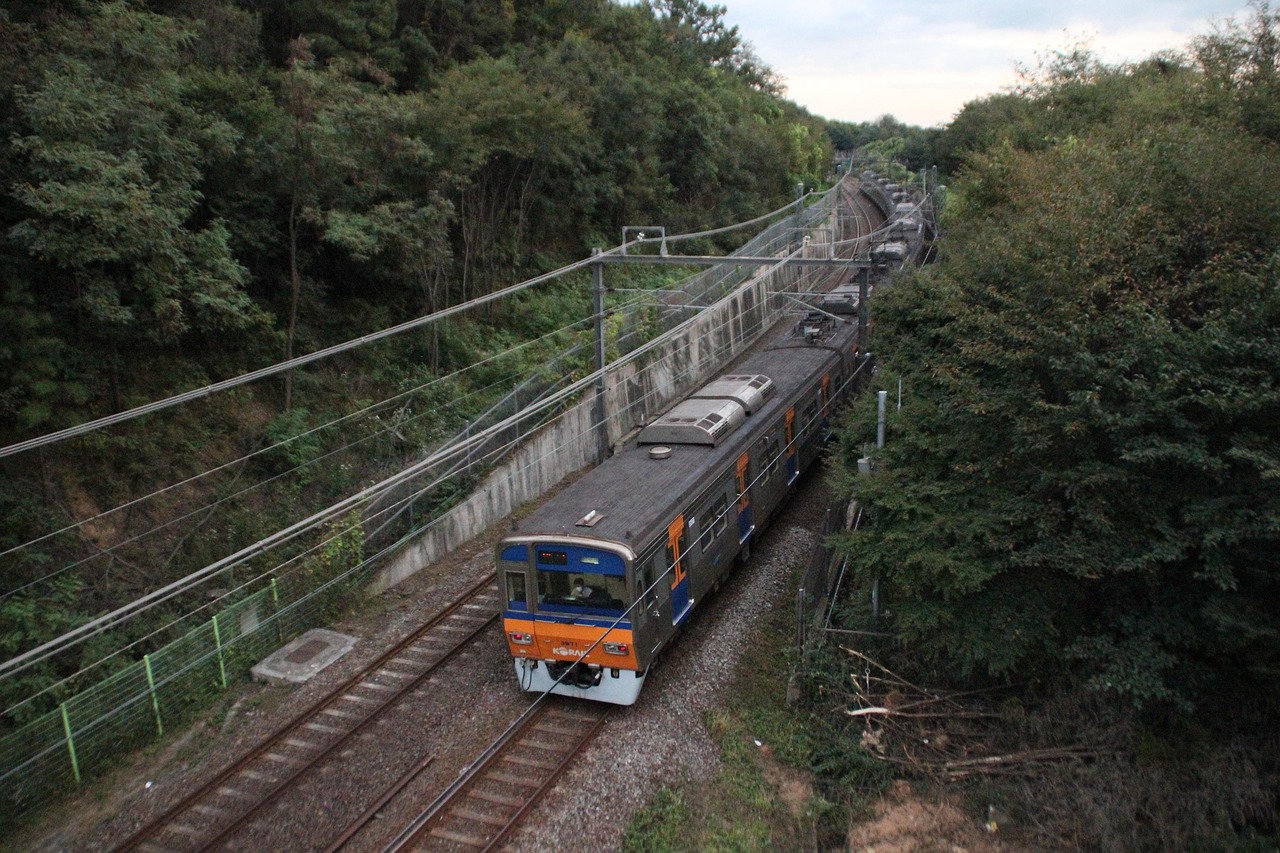
Seoul’s subway is one of the best urban transit systems in the world — 9 lines, over 300 stations, and trains that run every 2–3 minutes during peak hours. For a tourist, it’s also one of the cheapest ways to move around the city. A single ride costs just 1,400 won (about $1 USD) with a T-money card. Once you understand the basics, you’ll wonder why you ever considered taking a taxi.
Getting a T-Money Card Before You Board
Do not buy single-use paper tickets for every trip — the process is slow, you pay a 500 won deposit each time, and the machines can be confusing. Instead, grab a T-money card the moment you arrive, or compare it against other options in our Seoul city pass guide. You can buy one at any convenience store inside the airport (GS25, CU, 7-Eleven) for 4,000 won, then load it with cash at the same counter or at a machine near the subway entrance.
A few things worth knowing about T-money:
- Tap in and tap out at every station — failing to tap out costs you the maximum fare automatically (around 3,000 won)
- Free transfers between subway lines happen automatically when you tap — you won’t be charged again as long as you exit within 30 minutes
- You can also use the card on city buses, convenience stores (some), and taxis
- Recharge at any ticket machine (select “Recharge Card”) or at convenience store counters — 10,000 won to 50,000 won at a time is typical
- If you use a foreign credit or debit card that supports NFC, some stations accept tap-to-pay — but T-money is faster and more reliable
Navigating the Lines and Finding Your Platform
Each Seoul subway line has a number and a color. Line 2 (green) is the circular line that loops through the city center — Hongdae, Sinchon, City Hall, Gangnam, Jamsil. Line 1 (dark blue) runs north-south and connects Seoul Station to major hubs. Line 9 (gold) has express trains that skip stops and are noticeably faster but also more crowded during rush hour.
Inside the stations, signs are posted in Korean, English, Chinese, and Japanese. English is on every platform sign and route map, so you don’t need to read Korean to navigate. The station number system makes things even easier — every station has a code like “331” (Line 3, Station 31). If you know your destination’s code, just follow the matching color — and once you arrive, picking the right exit number can save you a long walk above ground.
To find your route:
- Use the Naver Map or Kakao Map app — both show real-time train schedules and tell you which car to board for the best transfer position
- Look for the “NEXT TRAIN” display boards on the platform — they show arrival times in minutes for each direction
- Yellow lines on the platform floor mark where doors will open — stand behind them and let passengers off first before boarding
- Transfer stations (where lines connect) are larger and require walking between platforms — follow the colored line arrows on the floor or overhead signs, or check our guide to making subway transfers without stress
Rush Hour, Seats, and Unwritten Rules
Rush hour in Seoul runs roughly 7:30–9:30 AM and 6:00–8:30 PM on weekdays. Line 2 and Line 9 get genuinely packed — expect to be standing within inches of strangers and not getting a seat unless you board at a terminus station like Sports Complex or Sinnonhyeon. For more tips on timing your rides, see our guide to surviving rush hour in Seoul.
Every subway car has “priority seats” at each end — pink or blue benches near the doors marked for elderly passengers, pregnant women, and people with disabilities. These seats are taken seriously in Seoul. Even if the car is empty, many locals won’t sit there. As a tourist, it’s best to avoid them unless you clearly qualify.
A few unwritten rules that will keep things smooth:
- Keep your voice low — phone calls are frowned upon, and most Koreans use earphones or type instead of talking
- Eating on the subway is technically allowed but not common; strong smells like ramyeon or fried chicken will draw stares
- Stand to the right on escalators if you’re not walking — Seoul enforces this more in some stations than others, but it’s good habit
- Backpacks go in front of you during crowded rides to free up space for other passengers
- The last train varies by line but is typically around midnight; some lines run slightly later on weekends
Key Stations Every Visitor Uses
You’ll pass through a handful of major stations no matter what your itinerary looks like. Knowing them in advance saves time:
- Seoul Station (Lines 1, 4, AREX) — connects to the airport rail express (AREX) to Incheon Airport; takes about 43 minutes non-stop on the express for 9,500 won
- Hongik University (Line 2, Line 9, Gyeongui-Jungang Line) — the Hongdae area; cafes, nightlife, street performances, and weekend markets
- Gyeongbokgung (Line 3) — walk directly to the main palace gate from exit 5
- Gangnam (Line 2) — the commercial heart of Gangnam; exit 10 or 11 puts you on Gangnam-daero
- Dongdaemun History & Culture Park (Lines 2, 4, 5) — central transfer hub and access point for Dongdaemun Market and the Zaha Hadid-designed DDP building
- Insadong/Anguk (Line 3) — traditional crafts, tea houses, and the Bukchon Hanok Village area
The subway closes between roughly midnight and 5:30 AM. If you’re out late in Itaewon or Hongdae, budget for a taxi or use KakaoTaxi to get home — fares are reasonable, around 8,000–15,000 won for most in-city trips. But for everything else during the day, the subway is faster, cheaper, and more reliable than any alternative on the road.