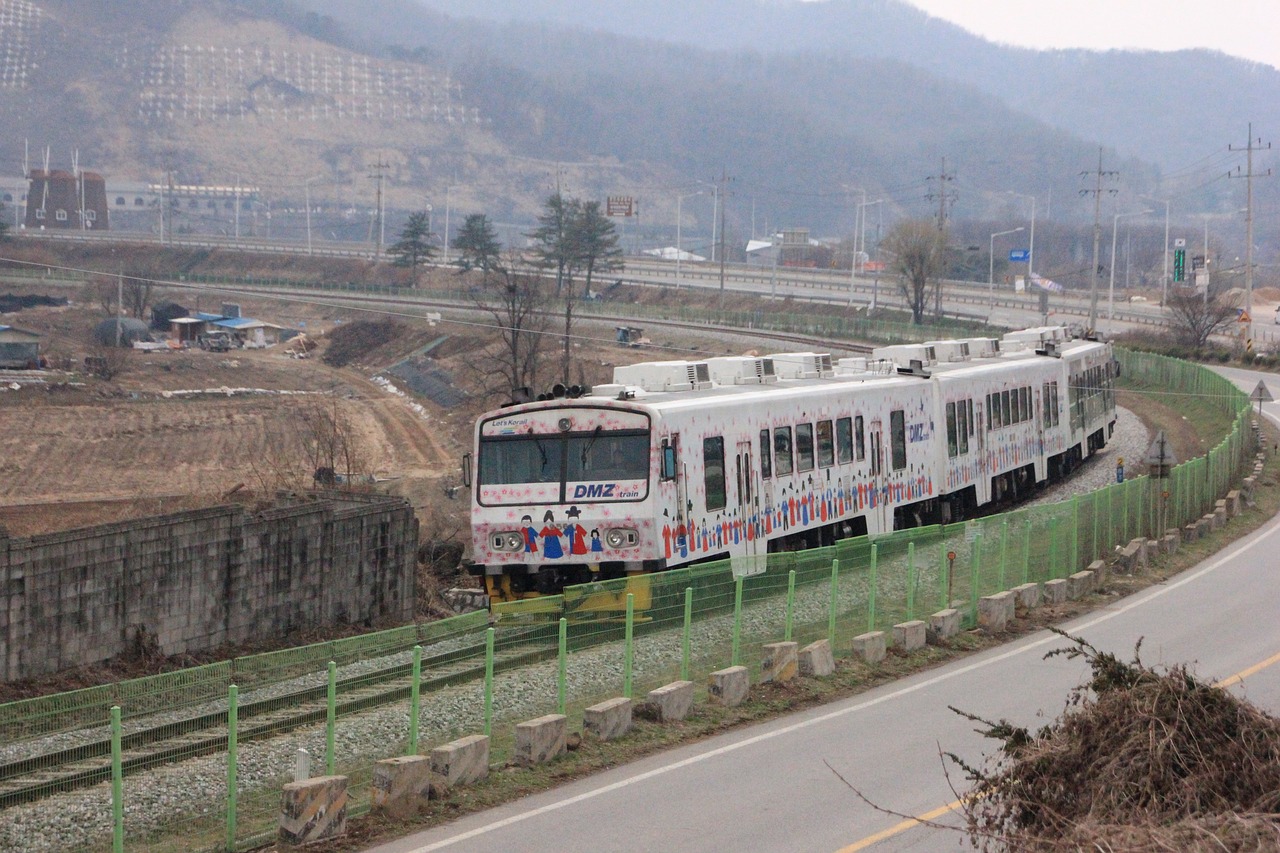
If you plan to travel between cities in South Korea, the Korail Pass is one of the smartest purchases you can make before you land. It gives foreign visitors unlimited rides on Korea Train Express (KTX) and most Korail intercity trains for a fixed price, cutting out the hassle of buying individual tickets at every station. Here is everything you need to know to buy it, activate it, and get the most out of it.
What the Korail Pass Covers and How Much It Costs
The Korail Pass is available exclusively to foreign passport holders. It covers KTX bullet trains, ITX-Saemaeul, ITX-Cheongchun, Mugunghwa, and Nuriro services on the national rail network. It does not cover Seoul Metro subway lines, the AREX airport express standard fare, or privately operated trains such as the SRT — see our KTX vs SRT comparison if you are deciding between the two — so factor those into your budget separately.
Passes come in consecutive-day and flexible formats. The flexible pass lets you choose travel days within a 30-day window, which suits most tourists who mix city stays with day trips.
- 2-day flexible: approximately ₩131,000 per adult
- 3-day flexible: approximately ₩162,000 per adult
- 4-day flexible: approximately ₩192,000 per adult
- 5-day flexible: approximately ₩220,000 per adult
- Youth (13–25): roughly 10–15% discount on all tiers
To put that in perspective, a single one-way KTX ticket from Seoul to Busan costs around ₩59,800 in standard class (prices are current as of 2026 and can change, so verify before you book). If you make that round trip plus a side trip to Gyeongju, a 3-day flexible pass pays for itself immediately. The math shifts in your favour the moment you are planning more than three long-distance journeys.
Where and How to Buy It
There are three ways to get a Korail Pass, and the right one depends on how far ahead you plan.
- Korail official website (letskorail.com): Buy online before you leave home. You will receive a PDF voucher to print or store on your phone. Prices on the official site are reliable and no service fee is added. You can pay by international credit card.
- Authorized overseas agents: Platforms like Klook and KKday sell the Korail Pass at similar prices and deliver a mobile voucher. Useful if you are already booking tours on those platforms and want everything in one place.
- Korail Tour Service counters in Korea: Available at Seoul Station, Busan Station, Incheon Airport (arrival hall), and a handful of other major hubs. You must show your foreign passport. Buying at the counter means you can activate immediately, but stock can sell out during peak travel seasons such as the Chuseok and Lunar New Year holidays.
One important note: you cannot buy a Korail Pass at a standard ticket window or ticket machine. Only Korail Tour Service desks handle pass sales for foreigners. Look for the separate counter, usually signposted in English at major stations.
Activating and Using the Pass Day to Day
Holding a Korail Pass does not mean you can simply board any train. For KTX and ITX-Saemaeul you must reserve a seat before boarding — the pass covers the fare but not the reservation. Seat reservation fees are small (around ₩500–₩4,500 depending on the service), but skipping this step means you may be standing in the aisle on a fully booked train or told to get off.
Here is the step-by-step process on a travel day:
- Go to a Korail Tour Service counter or a standard ticket window and show your pass and passport.
- Ask staff to stamp or activate your travel day on the pass, then reserve a seat on your chosen train at the same time.
- You will receive a printed reservation ticket. Keep both the pass and reservation ticket on you — conductors check both.
- Board through the standard gate. Flash your pass at the gate barrier — it will not open automatically the way a tap-to-pay card does on the Seoul subway, so head to the staffed gate lane.
Flexible pass holders should plan their travel days carefully. Once a day is stamped, it counts regardless of whether you ride one train or five. Group your long-distance journeys on the same stamped day to maximise value — for example, Seoul to Busan in the morning and Busan to Gyeongju in the afternoon counts as one day used, not two.
Routes Where the Pass Delivers the Most Value
South Korea’s rail network radiates out from Seoul, so almost every popular destination is reachable by KTX within two to three hours. These are the routes where pass holders consistently get the best return:
- Seoul → Busan: 2 hours 15 minutes on the fastest KTX. The city deserves at least two nights, making a return trip the single biggest saving on any Korail Pass.
- Seoul → Gyeongju: About 2 hours via KTX to Singyeongju Station, then a local bus into the historic city centre. Perfect for a focused UNESCO heritage day trip.
- Busan → Jeonju: Around 2.5 hours. Combine coastal southeast with the hanok village of Jeonju in western Korea for a dramatic contrast.
- Seoul → Gangneung (ITX-Cheongchun): About 1 hour 50 minutes through mountain scenery to the east coast. Gangneung is the gateway to Jeongdongjin beach and Seoraksan National Park.
- Seoul → Yeosu: Around 2 hours 40 minutes to the scenic southern port city, best visited during the spring when the ocean road azaleas are in bloom.
A 4-day or 5-day flexible pass paired with a base in Seoul or Busan lets you cover three or four of these destinations without once worrying about ticket prices — pair it with the Discover Seoul Pass for local transit and attractions once you are back in the capital. That peace of mind alone — knowing the seat is reserved and the cost is fixed — makes a noticeable difference to the rhythm of your trip.