Because the festival is staged around Jinjuseong Fortress, you get a two-for-one: the fortress is a genuine historical site worth a daylight visit on its own, with walking paths along the walls, a museum, and views over the river that look completely different in sunlight than lantern-lit. If you’re only doing the evening festival, you’ll still pass through fortress grounds, but a same-trip daytime visit is worth the extra hour if your schedule allows it.
Jinju also has its own food identity worth building a meal around. Jinju bibimbap is a distinct regional variation — served with a beef broth or soup on the side rather than the more familiar stone-bowl format found elsewhere, and it’s considered one of the dish’s original regional styles. The city is also known for grilled eel (jangeo), a heartier, richer dish that pairs well with a cold evening by the river. As with any regional specialty, exact restaurants and prices change, so it’s worth checking recent reviews rather than relying on any single recommendation, but both dishes are common enough that you won’t have to search hard to find them near the festival area.
Local tip: the crowds concentrate hardest on the pontoon bridge and the main viewing points directly below the fortress in the first hour or two after sunset. If you walk 10–15 minutes further along the riverside promenade away from the main bridge, you’ll find quieter viewing spots with nearly the same view and none of the shuffle-forward crowd crush — useful if you’re travelling with kids or just want a photo without fifty heads in it.
For onward planning, the festival’s autumn timing overlaps with Korea’s autumn foliage season, so it’s worth checking what else is turning colour nearby if you’re building a longer trip. If Jinju is one stop on a wider southern itinerary, see our guide to day trips from Busan for how it compares to other options, our breakdown of KTX vs SRT if you’re deciding how to get south from Seoul, and our guide to navigating Korean bus terminals if the bus is your route in. If the specific festival dates or opening hours matter for your plans, our explainer on Korean holidays and festivals covers how Korean event scheduling tends to work and why it’s worth checking close to your travel date. As of 2026, the festival is scheduled for 3–18 October — but dates can shift, so confirm on the official site (yudeung.com) before booking transport.
Is the Jinju Lantern Festival free?
General admission to view the main lantern display along the Namgang River is free. Extras like floating your own wish lantern, certain bridge or exhibition sections, and workshops carry a small fee. As of 2026, verify current pricing on the official festival site before you go.
What are the 2026 festival dates?
As of 2026, the festival is scheduled to run from 3 to 18 October along the Namgang River in Jinju, Gyeongsangnam-do. Festival dates can shift year to year, so confirm on the official site (yudeung.com) before finalising travel.
Can I visit Jinju as a day trip from Busan?
Yes. An intercity bus from Busan’s Sasang Terminal to Jinju takes roughly 1 hour 30 minutes, hedged as schedules vary, making an evening lantern visit workable as a day trip. Staying overnight lets you also see Jinjuseong Fortress in daylight without rushing.
How do I get to Jinju from Seoul?
KTX or SRT to Jinju Station takes around 3 hours 20 minutes depending on the service, with some routings requiring a transfer. An express bus from Nambu Bus Terminal takes roughly 3 hours 40 minutes and can be a cheaper, easier-to-book alternative during festival season.
What is the history behind the lanterns?
The lanterns commemorate the 1592 Siege of Jinju during the Imjin War, when defenders reportedly floated lanterns on the Namgang River to signal allies and family outside the besieged fortress. The tradition also honours those who died in the second siege the following year.
From Seoul, the fastest option is KTX or SRT to Jinju Station, running around 3 hours 20 minutes depending on the specific train and transfers — some routings require a change, so check the exact schedule when booking rather than assuming a single direct service. An express bus from Nambu Bus Terminal is the budget alternative, taking roughly 3 hours 40 minutes; it’s slower but usually cheaper and easier to book last-minute during festival season when train tickets go fast.
From Busan, the intercity bus from Sasang Terminal (around 1 hour 30 minutes) is the simplest route and generally beats the train on convenience for this specific city pair, since Jinju isn’t directly on Busan’s KTX line the way it is from Seoul. Whichever way you’re arriving, factor in that festival dates mean heavier traffic and busier terminals than a normal weekend — arrive at the terminal with buffer time rather than cutting it close.
Pairing It With Jinjuseong Fortress and Jinju’s Food Scene
Because the festival is staged around Jinjuseong Fortress, you get a two-for-one: the fortress is a genuine historical site worth a daylight visit on its own, with walking paths along the walls, a museum, and views over the river that look completely different in sunlight than lantern-lit. If you’re only doing the evening festival, you’ll still pass through fortress grounds, but a same-trip daytime visit is worth the extra hour if your schedule allows it.
Jinju also has its own food identity worth building a meal around. Jinju bibimbap is a distinct regional variation — served with a beef broth or soup on the side rather than the more familiar stone-bowl format found elsewhere, and it’s considered one of the dish’s original regional styles. The city is also known for grilled eel (jangeo), a heartier, richer dish that pairs well with a cold evening by the river. As with any regional specialty, exact restaurants and prices change, so it’s worth checking recent reviews rather than relying on any single recommendation, but both dishes are common enough that you won’t have to search hard to find them near the festival area.
Local tip: the crowds concentrate hardest on the pontoon bridge and the main viewing points directly below the fortress in the first hour or two after sunset. If you walk 10–15 minutes further along the riverside promenade away from the main bridge, you’ll find quieter viewing spots with nearly the same view and none of the shuffle-forward crowd crush — useful if you’re travelling with kids or just want a photo without fifty heads in it.
For onward planning, the festival’s autumn timing overlaps with Korea’s autumn foliage season, so it’s worth checking what else is turning colour nearby if you’re building a longer trip. If Jinju is one stop on a wider southern itinerary, see our guide to day trips from Busan for how it compares to other options, our breakdown of KTX vs SRT if you’re deciding how to get south from Seoul, and our guide to navigating Korean bus terminals if the bus is your route in. If the specific festival dates or opening hours matter for your plans, our explainer on Korean holidays and festivals covers how Korean event scheduling tends to work and why it’s worth checking close to your travel date. As of 2026, the festival is scheduled for 3–18 October — but dates can shift, so confirm on the official site (yudeung.com) before booking transport.
Jinju is close enough to Busan that a day trip is genuinely workable, but it changes the experience. From Busan’s Sasang Terminal, an intercity bus to Jinju takes roughly 1 hour 30 minutes (schedules and fares shift — verify on the day), which means you can leave Busan in the afternoon, catch the lanterns after dark, and be back by a late bus. The trade-off is that you’re rushing the fortress grounds and skipping the daytime, less-crowded side of the city, and the last bus back can sell out on festival weekends.
Staying overnight in Jinju is the better call if you want to walk Jinjuseong Fortress in daylight, eat properly rather than grab stall food between buses, and see the lanterns twice — once at dusk when the crowds are thinner, once later when the display is at full brightness. Jinju isn’t set up with the hotel density of Seoul or Busan, so if you’re planning an overnight stay during the festival window, book accommodation early; rooms near the fortress and river fill up fast once the dates are confirmed.
Getting to Jinju From Seoul and Busan
From Seoul, the fastest option is KTX or SRT to Jinju Station, running around 3 hours 20 minutes depending on the specific train and transfers — some routings require a change, so check the exact schedule when booking rather than assuming a single direct service. An express bus from Nambu Bus Terminal is the budget alternative, taking roughly 3 hours 40 minutes; it’s slower but usually cheaper and easier to book last-minute during festival season when train tickets go fast.
From Busan, the intercity bus from Sasang Terminal (around 1 hour 30 minutes) is the simplest route and generally beats the train on convenience for this specific city pair, since Jinju isn’t directly on Busan’s KTX line the way it is from Seoul. Whichever way you’re arriving, factor in that festival dates mean heavier traffic and busier terminals than a normal weekend — arrive at the terminal with buffer time rather than cutting it close.
Pairing It With Jinjuseong Fortress and Jinju’s Food Scene
Because the festival is staged around Jinjuseong Fortress, you get a two-for-one: the fortress is a genuine historical site worth a daylight visit on its own, with walking paths along the walls, a museum, and views over the river that look completely different in sunlight than lantern-lit. If you’re only doing the evening festival, you’ll still pass through fortress grounds, but a same-trip daytime visit is worth the extra hour if your schedule allows it.
Jinju also has its own food identity worth building a meal around. Jinju bibimbap is a distinct regional variation — served with a beef broth or soup on the side rather than the more familiar stone-bowl format found elsewhere, and it’s considered one of the dish’s original regional styles. The city is also known for grilled eel (jangeo), a heartier, richer dish that pairs well with a cold evening by the river. As with any regional specialty, exact restaurants and prices change, so it’s worth checking recent reviews rather than relying on any single recommendation, but both dishes are common enough that you won’t have to search hard to find them near the festival area.
Local tip: the crowds concentrate hardest on the pontoon bridge and the main viewing points directly below the fortress in the first hour or two after sunset. If you walk 10–15 minutes further along the riverside promenade away from the main bridge, you’ll find quieter viewing spots with nearly the same view and none of the shuffle-forward crowd crush — useful if you’re travelling with kids or just want a photo without fifty heads in it.
For onward planning, the festival’s autumn timing overlaps with Korea’s autumn foliage season, so it’s worth checking what else is turning colour nearby if you’re building a longer trip. If Jinju is one stop on a wider southern itinerary, see our guide to day trips from Busan for how it compares to other options, our breakdown of KTX vs SRT if you’re deciding how to get south from Seoul, and our guide to navigating Korean bus terminals if the bus is your route in. If the specific festival dates or opening hours matter for your plans, our explainer on Korean holidays and festivals covers how Korean event scheduling tends to work and why it’s worth checking close to your travel date. As of 2026, the festival is scheduled for 3–18 October — but dates can shift, so confirm on the official site (yudeung.com) before booking transport.
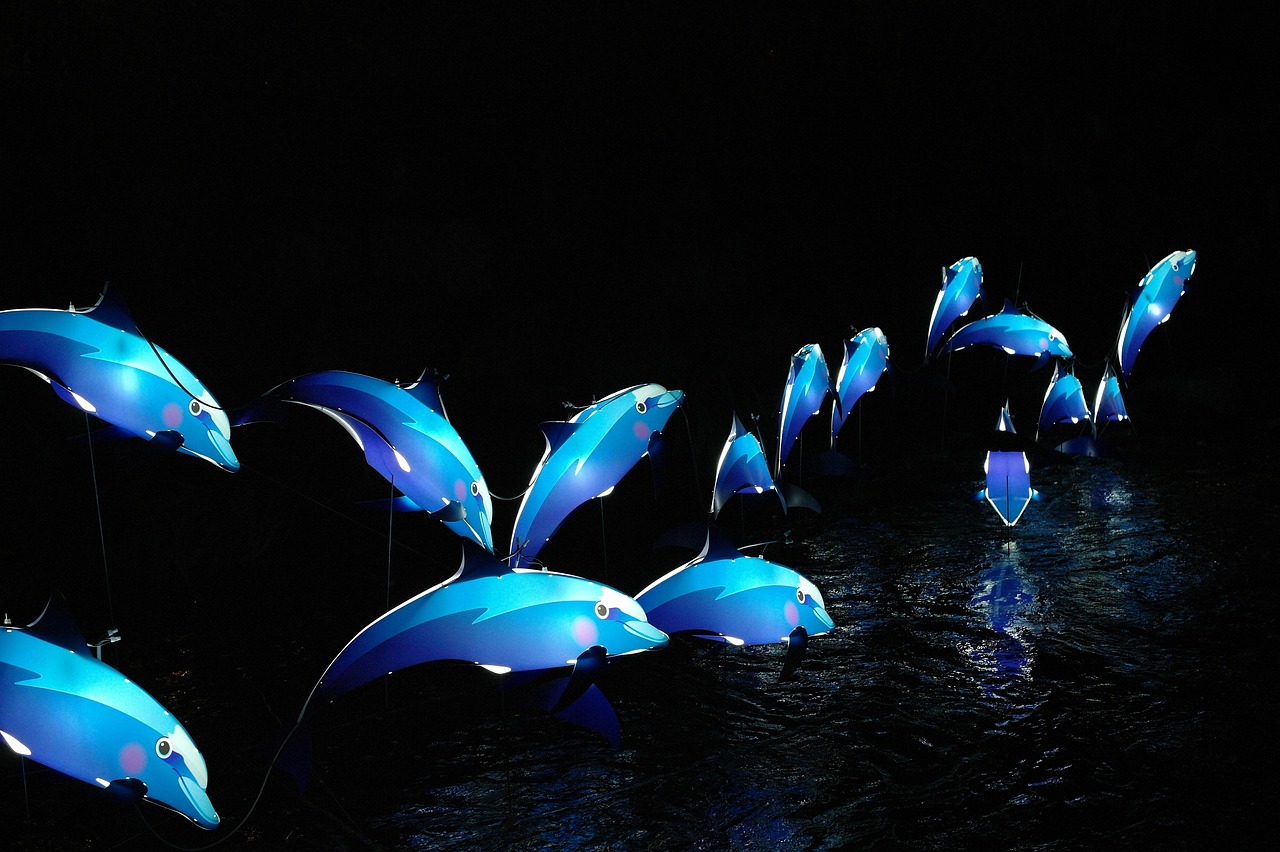
The main draw is the river itself — a dense procession of illuminated lantern sculptures anchored in the water, ranging from small floating orbs to large themed installations (dragons, historical scenes, seasonal motifs change year to year), strung together into a glowing corridor that runs for a considerable stretch of the Namgang. Bridges over the river, including the pedestrian pontoon bridge assembled for the festival, let you walk out over the lanterns rather than just view them from the bank, which is the best vantage point most visitors come away remembering.
Beyond the main display, expect a wish-lantern zone where visitors write messages and float or hang their own lantern (paid, small fee), lantern-making workshops, food stalls along the riverside promenade, and evening performances near the fortress. The fortress grounds themselves are lit and open late during the festival window, so you can walk the walls and look down over the river of lights rather than only viewing it from ground level. Go after sunset — the display is designed for darkness, and arriving before dusk mainly buys you crowd-free photos of lanterns that aren’t lit yet.
Free vs Paid: What Actually Costs Money
General admission to walk the riverside and view the main lantern display is free — this is one of Korea’s larger festivals and the organisers keep the core experience open to everyone. Where you’ll spend money is on the extras: floating your own wish lantern, walking onto certain bridge sections or special exhibition zones, lantern-making workshops, and of course food and drink from the stalls. None of this is expensive by festival standards, but bring cash in small bills, as prices at outdoor stalls in Korea vary year to year and by vendor — treat any figure you see quoted online as a rough guide only and confirm on the official festival site (yudeung.com) closer to your visit.
Busan Day Trip or Jinju Overnight? A Practical Comparison
Jinju is close enough to Busan that a day trip is genuinely workable, but it changes the experience. From Busan’s Sasang Terminal, an intercity bus to Jinju takes roughly 1 hour 30 minutes (schedules and fares shift — verify on the day), which means you can leave Busan in the afternoon, catch the lanterns after dark, and be back by a late bus. The trade-off is that you’re rushing the fortress grounds and skipping the daytime, less-crowded side of the city, and the last bus back can sell out on festival weekends.
Staying overnight in Jinju is the better call if you want to walk Jinjuseong Fortress in daylight, eat properly rather than grab stall food between buses, and see the lanterns twice — once at dusk when the crowds are thinner, once later when the display is at full brightness. Jinju isn’t set up with the hotel density of Seoul or Busan, so if you’re planning an overnight stay during the festival window, book accommodation early; rooms near the fortress and river fill up fast once the dates are confirmed.
Getting to Jinju From Seoul and Busan
From Seoul, the fastest option is KTX or SRT to Jinju Station, running around 3 hours 20 minutes depending on the specific train and transfers — some routings require a change, so check the exact schedule when booking rather than assuming a single direct service. An express bus from Nambu Bus Terminal is the budget alternative, taking roughly 3 hours 40 minutes; it’s slower but usually cheaper and easier to book last-minute during festival season when train tickets go fast.
From Busan, the intercity bus from Sasang Terminal (around 1 hour 30 minutes) is the simplest route and generally beats the train on convenience for this specific city pair, since Jinju isn’t directly on Busan’s KTX line the way it is from Seoul. Whichever way you’re arriving, factor in that festival dates mean heavier traffic and busier terminals than a normal weekend — arrive at the terminal with buffer time rather than cutting it close.
Pairing It With Jinjuseong Fortress and Jinju’s Food Scene
Because the festival is staged around Jinjuseong Fortress, you get a two-for-one: the fortress is a genuine historical site worth a daylight visit on its own, with walking paths along the walls, a museum, and views over the river that look completely different in sunlight than lantern-lit. If you’re only doing the evening festival, you’ll still pass through fortress grounds, but a same-trip daytime visit is worth the extra hour if your schedule allows it.
Jinju also has its own food identity worth building a meal around. Jinju bibimbap is a distinct regional variation — served with a beef broth or soup on the side rather than the more familiar stone-bowl format found elsewhere, and it’s considered one of the dish’s original regional styles. The city is also known for grilled eel (jangeo), a heartier, richer dish that pairs well with a cold evening by the river. As with any regional specialty, exact restaurants and prices change, so it’s worth checking recent reviews rather than relying on any single recommendation, but both dishes are common enough that you won’t have to search hard to find them near the festival area.
Local tip: the crowds concentrate hardest on the pontoon bridge and the main viewing points directly below the fortress in the first hour or two after sunset. If you walk 10–15 minutes further along the riverside promenade away from the main bridge, you’ll find quieter viewing spots with nearly the same view and none of the shuffle-forward crowd crush — useful if you’re travelling with kids or just want a photo without fifty heads in it.
For onward planning, the festival’s autumn timing overlaps with Korea’s autumn foliage season, so it’s worth checking what else is turning colour nearby if you’re building a longer trip. If Jinju is one stop on a wider southern itinerary, see our guide to day trips from Busan for how it compares to other options, our breakdown of KTX vs SRT if you’re deciding how to get south from Seoul, and our guide to navigating Korean bus terminals if the bus is your route in. If the specific festival dates or opening hours matter for your plans, our explainer on Korean holidays and festivals covers how Korean event scheduling tends to work and why it’s worth checking close to your travel date. As of 2026, the festival is scheduled for 3–18 October — but dates can shift, so confirm on the official site (yudeung.com) before booking transport.
The lanterns on the Namgang River trace back to 1592, during the Imjin War, when Japanese forces laid siege to Jinjuseong Fortress. Cut off from reinforcements, the defenders inside reportedly used lanterns floated on the river to send signals to allied troops and family members outside the walls, and to keep the garrison’s spirits up through a desperate defence. The First Siege of Jinju became one of the most celebrated Korean victories of the war; a second siege the following year ended in the fortress falling and a massacre of its defenders and civilians. The modern festival grew out of a memorial ritual for the dead of that second siege, which is why the lanterns feel less like decoration and more like tribute — locals still float wish lanterns in memory of ancestors, not just for the photo.
That backstory matters for how you experience the night. Jinjuseong Fortress itself sits right above the river, and the combination of fortress walls, temple gate, and river lanterns is deliberate: the festival grounds are built around Jinju’s most significant historical site, not a generic riverside park.
What You’ll Actually See on the Namgang
The main draw is the river itself — a dense procession of illuminated lantern sculptures anchored in the water, ranging from small floating orbs to large themed installations (dragons, historical scenes, seasonal motifs change year to year), strung together into a glowing corridor that runs for a considerable stretch of the Namgang. Bridges over the river, including the pedestrian pontoon bridge assembled for the festival, let you walk out over the lanterns rather than just view them from the bank, which is the best vantage point most visitors come away remembering.
Beyond the main display, expect a wish-lantern zone where visitors write messages and float or hang their own lantern (paid, small fee), lantern-making workshops, food stalls along the riverside promenade, and evening performances near the fortress. The fortress grounds themselves are lit and open late during the festival window, so you can walk the walls and look down over the river of lights rather than only viewing it from ground level. Go after sunset — the display is designed for darkness, and arriving before dusk mainly buys you crowd-free photos of lanterns that aren’t lit yet.
Free vs Paid: What Actually Costs Money
General admission to walk the riverside and view the main lantern display is free — this is one of Korea’s larger festivals and the organisers keep the core experience open to everyone. Where you’ll spend money is on the extras: floating your own wish lantern, walking onto certain bridge sections or special exhibition zones, lantern-making workshops, and of course food and drink from the stalls. None of this is expensive by festival standards, but bring cash in small bills, as prices at outdoor stalls in Korea vary year to year and by vendor — treat any figure you see quoted online as a rough guide only and confirm on the official festival site (yudeung.com) closer to your visit.
Busan Day Trip or Jinju Overnight? A Practical Comparison
Jinju is close enough to Busan that a day trip is genuinely workable, but it changes the experience. From Busan’s Sasang Terminal, an intercity bus to Jinju takes roughly 1 hour 30 minutes (schedules and fares shift — verify on the day), which means you can leave Busan in the afternoon, catch the lanterns after dark, and be back by a late bus. The trade-off is that you’re rushing the fortress grounds and skipping the daytime, less-crowded side of the city, and the last bus back can sell out on festival weekends.
Staying overnight in Jinju is the better call if you want to walk Jinjuseong Fortress in daylight, eat properly rather than grab stall food between buses, and see the lanterns twice — once at dusk when the crowds are thinner, once later when the display is at full brightness. Jinju isn’t set up with the hotel density of Seoul or Busan, so if you’re planning an overnight stay during the festival window, book accommodation early; rooms near the fortress and river fill up fast once the dates are confirmed.
Getting to Jinju From Seoul and Busan
From Seoul, the fastest option is KTX or SRT to Jinju Station, running around 3 hours 20 minutes depending on the specific train and transfers — some routings require a change, so check the exact schedule when booking rather than assuming a single direct service. An express bus from Nambu Bus Terminal is the budget alternative, taking roughly 3 hours 40 minutes; it’s slower but usually cheaper and easier to book last-minute during festival season when train tickets go fast.
From Busan, the intercity bus from Sasang Terminal (around 1 hour 30 minutes) is the simplest route and generally beats the train on convenience for this specific city pair, since Jinju isn’t directly on Busan’s KTX line the way it is from Seoul. Whichever way you’re arriving, factor in that festival dates mean heavier traffic and busier terminals than a normal weekend — arrive at the terminal with buffer time rather than cutting it close.
Pairing It With Jinjuseong Fortress and Jinju’s Food Scene
Because the festival is staged around Jinjuseong Fortress, you get a two-for-one: the fortress is a genuine historical site worth a daylight visit on its own, with walking paths along the walls, a museum, and views over the river that look completely different in sunlight than lantern-lit. If you’re only doing the evening festival, you’ll still pass through fortress grounds, but a same-trip daytime visit is worth the extra hour if your schedule allows it.
Jinju also has its own food identity worth building a meal around. Jinju bibimbap is a distinct regional variation — served with a beef broth or soup on the side rather than the more familiar stone-bowl format found elsewhere, and it’s considered one of the dish’s original regional styles. The city is also known for grilled eel (jangeo), a heartier, richer dish that pairs well with a cold evening by the river. As with any regional specialty, exact restaurants and prices change, so it’s worth checking recent reviews rather than relying on any single recommendation, but both dishes are common enough that you won’t have to search hard to find them near the festival area.
Local tip: the crowds concentrate hardest on the pontoon bridge and the main viewing points directly below the fortress in the first hour or two after sunset. If you walk 10–15 minutes further along the riverside promenade away from the main bridge, you’ll find quieter viewing spots with nearly the same view and none of the shuffle-forward crowd crush — useful if you’re travelling with kids or just want a photo without fifty heads in it.
For onward planning, the festival’s autumn timing overlaps with Korea’s autumn foliage season, so it’s worth checking what else is turning colour nearby if you’re building a longer trip. If Jinju is one stop on a wider southern itinerary, see our guide to day trips from Busan for how it compares to other options, our breakdown of KTX vs SRT if you’re deciding how to get south from Seoul, and our guide to navigating Korean bus terminals if the bus is your route in. If the specific festival dates or opening hours matter for your plans, our explainer on Korean holidays and festivals covers how Korean event scheduling tends to work and why it’s worth checking close to your travel date. As of 2026, the festival is scheduled for 3–18 October — but dates can shift, so confirm on the official site (yudeung.com) before booking transport.
Picture a river turned into a slow-moving field of light: thousands of paper lanterns bobbing downstream in the dark, a stone fortress lit up on the bank above them, and a crowd standing quiet for a moment before the phone cameras come out. That’s the Jinju Namgang Yudeung (Lantern) Festival, and it’s one of the few Korean festivals where the spectacle and the history behind it are equally the point — this isn’t a manufactured light show, it’s a commemoration that happens to be beautiful.
A Festival Born From a Siege, Not a Marketing Plan
The lanterns on the Namgang River trace back to 1592, during the Imjin War, when Japanese forces laid siege to Jinjuseong Fortress. Cut off from reinforcements, the defenders inside reportedly used lanterns floated on the river to send signals to allied troops and family members outside the walls, and to keep the garrison’s spirits up through a desperate defence. The First Siege of Jinju became one of the most celebrated Korean victories of the war; a second siege the following year ended in the fortress falling and a massacre of its defenders and civilians. The modern festival grew out of a memorial ritual for the dead of that second siege, which is why the lanterns feel less like decoration and more like tribute — locals still float wish lanterns in memory of ancestors, not just for the photo.
That backstory matters for how you experience the night. Jinjuseong Fortress itself sits right above the river, and the combination of fortress walls, temple gate, and river lanterns is deliberate: the festival grounds are built around Jinju’s most significant historical site, not a generic riverside park.
What You’ll Actually See on the Namgang
The main draw is the river itself — a dense procession of illuminated lantern sculptures anchored in the water, ranging from small floating orbs to large themed installations (dragons, historical scenes, seasonal motifs change year to year), strung together into a glowing corridor that runs for a considerable stretch of the Namgang. Bridges over the river, including the pedestrian pontoon bridge assembled for the festival, let you walk out over the lanterns rather than just view them from the bank, which is the best vantage point most visitors come away remembering.
Beyond the main display, expect a wish-lantern zone where visitors write messages and float or hang their own lantern (paid, small fee), lantern-making workshops, food stalls along the riverside promenade, and evening performances near the fortress. The fortress grounds themselves are lit and open late during the festival window, so you can walk the walls and look down over the river of lights rather than only viewing it from ground level. Go after sunset — the display is designed for darkness, and arriving before dusk mainly buys you crowd-free photos of lanterns that aren’t lit yet.
Free vs Paid: What Actually Costs Money
General admission to walk the riverside and view the main lantern display is free — this is one of Korea’s larger festivals and the organisers keep the core experience open to everyone. Where you’ll spend money is on the extras: floating your own wish lantern, walking onto certain bridge sections or special exhibition zones, lantern-making workshops, and of course food and drink from the stalls. None of this is expensive by festival standards, but bring cash in small bills, as prices at outdoor stalls in Korea vary year to year and by vendor — treat any figure you see quoted online as a rough guide only and confirm on the official festival site (yudeung.com) closer to your visit.
Busan Day Trip or Jinju Overnight? A Practical Comparison
Jinju is close enough to Busan that a day trip is genuinely workable, but it changes the experience. From Busan’s Sasang Terminal, an intercity bus to Jinju takes roughly 1 hour 30 minutes (schedules and fares shift — verify on the day), which means you can leave Busan in the afternoon, catch the lanterns after dark, and be back by a late bus. The trade-off is that you’re rushing the fortress grounds and skipping the daytime, less-crowded side of the city, and the last bus back can sell out on festival weekends.
Staying overnight in Jinju is the better call if you want to walk Jinjuseong Fortress in daylight, eat properly rather than grab stall food between buses, and see the lanterns twice — once at dusk when the crowds are thinner, once later when the display is at full brightness. Jinju isn’t set up with the hotel density of Seoul or Busan, so if you’re planning an overnight stay during the festival window, book accommodation early; rooms near the fortress and river fill up fast once the dates are confirmed.
Getting to Jinju From Seoul and Busan
From Seoul, the fastest option is KTX or SRT to Jinju Station, running around 3 hours 20 minutes depending on the specific train and transfers — some routings require a change, so check the exact schedule when booking rather than assuming a single direct service. An express bus from Nambu Bus Terminal is the budget alternative, taking roughly 3 hours 40 minutes; it’s slower but usually cheaper and easier to book last-minute during festival season when train tickets go fast.
From Busan, the intercity bus from Sasang Terminal (around 1 hour 30 minutes) is the simplest route and generally beats the train on convenience for this specific city pair, since Jinju isn’t directly on Busan’s KTX line the way it is from Seoul. Whichever way you’re arriving, factor in that festival dates mean heavier traffic and busier terminals than a normal weekend — arrive at the terminal with buffer time rather than cutting it close.
Pairing It With Jinjuseong Fortress and Jinju’s Food Scene
Because the festival is staged around Jinjuseong Fortress, you get a two-for-one: the fortress is a genuine historical site worth a daylight visit on its own, with walking paths along the walls, a museum, and views over the river that look completely different in sunlight than lantern-lit. If you’re only doing the evening festival, you’ll still pass through fortress grounds, but a same-trip daytime visit is worth the extra hour if your schedule allows it.
Jinju also has its own food identity worth building a meal around. Jinju bibimbap is a distinct regional variation — served with a beef broth or soup on the side rather than the more familiar stone-bowl format found elsewhere, and it’s considered one of the dish’s original regional styles. The city is also known for grilled eel (jangeo), a heartier, richer dish that pairs well with a cold evening by the river. As with any regional specialty, exact restaurants and prices change, so it’s worth checking recent reviews rather than relying on any single recommendation, but both dishes are common enough that you won’t have to search hard to find them near the festival area.
Local tip: the crowds concentrate hardest on the pontoon bridge and the main viewing points directly below the fortress in the first hour or two after sunset. If you walk 10–15 minutes further along the riverside promenade away from the main bridge, you’ll find quieter viewing spots with nearly the same view and none of the shuffle-forward crowd crush — useful if you’re travelling with kids or just want a photo without fifty heads in it.
For onward planning, the festival’s autumn timing overlaps with Korea’s autumn foliage season, so it’s worth checking what else is turning colour nearby if you’re building a longer trip. If Jinju is one stop on a wider southern itinerary, see our guide to day trips from Busan for how it compares to other options, our breakdown of KTX vs SRT if you’re deciding how to get south from Seoul, and our guide to navigating Korean bus terminals if the bus is your route in. If the specific festival dates or opening hours matter for your plans, our explainer on Korean holidays and festivals covers how Korean event scheduling tends to work and why it’s worth checking close to your travel date. As of 2026, the festival is scheduled for 3–18 October — but dates can shift, so confirm on the official site (yudeung.com) before booking transport.