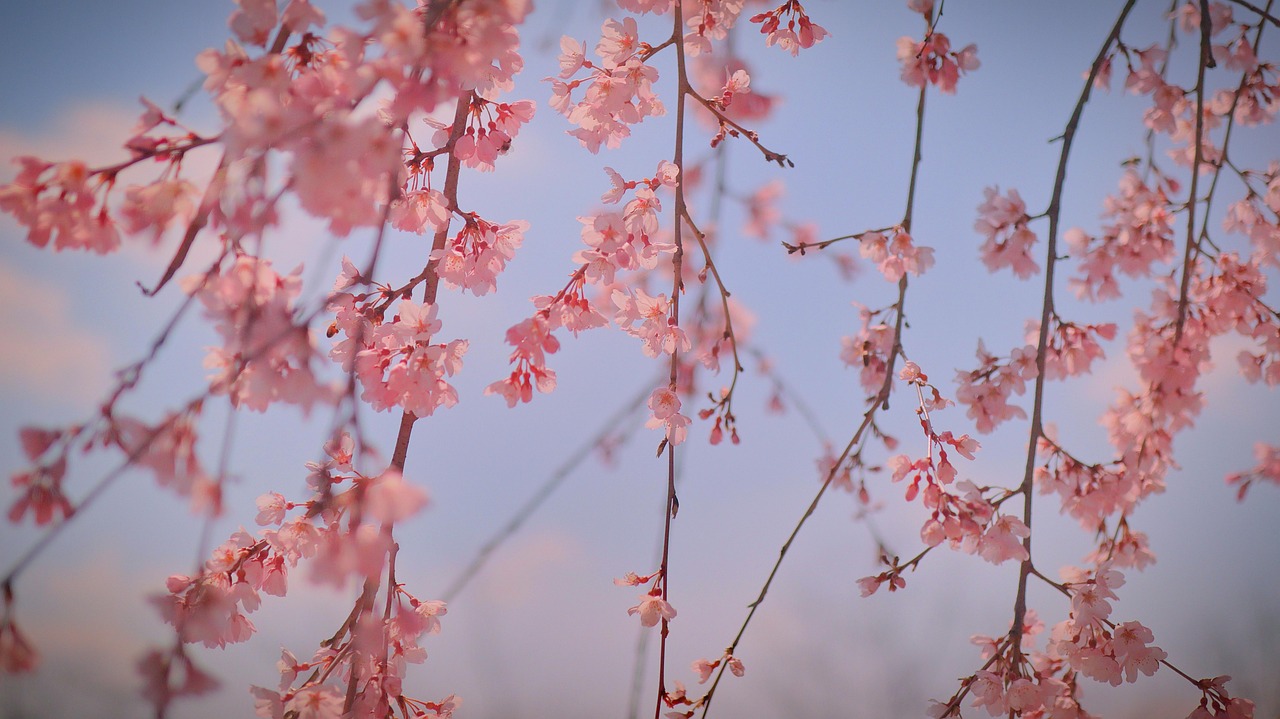
Cherry blossoms get all the glory in Korea, and for good reason — they are spectacular. But if you time your trip around sakura and nothing else, you are missing some of the country’s most vivid and crowd-friendly festivals. Korea blooms from March through October, and many of its best flower festivals draw far fewer tourists than Jinhae or Yeouido, which means shorter lines, cheaper accommodation, and a more relaxed experience overall.
Tulip and Canola Festivals: Spring Beyond the Cherry Trees
Taean Tulip Festival on the west coast (Chungcheongnam-do) runs from mid-April to early May and plants roughly three million tulips across the Corea Flower Park. Admission costs around ₩10,000–₩15,000 for adults, and the site is designed for walking circuits rather than a single photo spot. Buses run directly from Seosan Intercity Bus Terminal, which you can reach from Seoul’s Nambu Terminal in about two hours (₩14,000–₩17,000 one way).
Simultaneously, canola blossoms turn Jeju’s midland roads and Jindo Island’s hillsides neon yellow. The Jeju Canola Flower Festival is centered on Noksan-ro, a 10 km stretch of road between Pyoseon and Seongsan. Renting a bicycle from Seongsan (around ₩10,000 for three hours) lets you ride the full corridor at your own pace without needing a car. Because the festival coincides with late cherry blossom season, it is still busier than it deserves to be — arrive before 9 a.m. or after 4 p.m. to avoid tour buses.
- Taean Tulip Festival: mid-April to early May, Corea Flower Park, ₩10,000–₩15,000 admission
- Jeju Canola: late March to mid-April along Noksan-ro, free to walk or cycle
- Boseong Green Tea Fields also bloom in spring — combine with a day trip from Gwangju
Summer Blooms: Lavender, Lotus, and Hydrangea
Most visitors assume Korea goes quiet between cherry blossom season and autumn foliage. The gap is actually filled with lavender, lotus, and hydrangea. Hwacheon’s lavender fields in Gangwon-do typically peak in late June and have become a legitimate weekend destination for Seoulites, with shuttle buses from Chuncheon Station during the festival period. Admission to Lavender Farm Hwacheon runs roughly ₩5,000–₩8,000, and the surrounding area offers pension-style accommodation from ₩60,000–₩120,000 per night.
Lotus is harder to plan around because it peaks quickly — usually a two-week window in late July. The Buyeo Seokmodo Lotus Festival in South Chungcheong is one of the most atmospheric, with wide shallow ponds that reflect the flowers at dawn. Buyeo is accessible by express bus from Seoul’s Nambu or Dong Seoul Terminal in about two hours (₩12,000–₩15,000). Book accommodation a month ahead because Buyeo fills up during the festival weekend.
Hydrangea season runs from late June through July and is best seen on Jeju’s Bijarim Forest trails or along the coastal paths near Seogwipo. Unlike the formal festivals, hydrangea viewing is entirely free — you simply walk the trails and the blooms are there. The concentration around Saebyeol Oreum volcanic cone is particularly dense and is not on most tourist itineraries.
- Hwacheon Lavender: late June, shuttle from Chuncheon Station, ₩5,000–₩8,000 admission
- Buyeo Lotus Festival: late July, book accommodation 4+ weeks ahead
- Jeju hydrangea: free, peaks late June–July, best near Saebyeol Oreum and Seogwipo coast
Autumn Flower Festivals: Cosmos and Chrysanthemum
September and October bring cosmos and chrysanthemum festivals that are routinely underestimated by foreign tourists focused on fall foliage. The Hampyeong Butterfly and Cosmos Festival in South Jeolla runs from late September to mid-October and is one of the most family-oriented in the country — the cosmos fields are enormous, the butterfly dome entry is ₩3,000–₩5,000, and the festival grounds include outdoor markets with local dried seafood and vegetables at fair prices. Hampyeong is reachable by intercity bus from Gwangju in about 40 minutes (₩3,500).
Chrysanthemum festivals happen across Korea in October, but the Gyeongju Chrysanthemum Festival stands out because it layers over the existing autumn atmosphere of the historic Silla sites. Gyeongju Donggung Palace and Wolji Pond are already popular at night, and during chrysanthemum season the paths leading to them are lined with display arrangements. Entry to Donggung Palace is ₩3,000 and includes both the grounds and the light display after dark. From Busan KTX takes 25 minutes (from ₩8,900), making this an easy day trip that covers both the flower festival and a UNESCO-listed site.
- Hampyeong Cosmos: late September–mid-October, bus from Gwangju (₩3,500, 40 min)
- Gyeongju Chrysanthemum: October, Donggung Palace ₩3,000 entry, 25-min KTX from Busan
- Suncheon Bay Reed Festival: October, combines with wetland ecology — free general access
Practical Tips for Festival Timing and Crowds
Korean flower festivals are heavily weather-dependent. A warm spring can push canola and cherry blossoms to overlap, while a cold snap can delay tulips by ten days. The best resource is Naver Blog — search the festival name in Korean along with the current year (예: “함평나비축제 2026”) for real-time bloom reports from domestic visitors, often with same-day photos. Google results for Korean festivals frequently show the official festival dates rather than actual bloom conditions, so Naver gives you ground truth.
Most festivals charge ₩5,000–₩20,000 for admission to a core garden or event area, but the surrounding landscape is usually free. At Jinhae the entire city is public — no admission. At Jeju’s canola roads the flowers are roadside. Budget for transport and food rather than festival tickets, and the overall cost of a flower festival trip stays very manageable even including accommodation. Since these festivals span three different seasons, check a Korea packing list by season before you go so you are not caught out by sudden temperature swings between spring tulip fields and autumn cosmos.
If you are already planning your trip around seasonal color, it is worth reading about autumn foliage in Korea so cosmos and chrysanthemum viewing can be paired with the same fall itinerary. Weekdays are dramatically less crowded than weekends at every festival on this list. If your schedule has any flexibility, arriving on a Tuesday or Wednesday instead of Saturday can halve the queue times and double the number of usable photos you get. Saturday mornings at peak season are the worst window — domestic day-trippers combine with tour groups from China and Southeast Asia, and parking lots fill before 10 a.m.