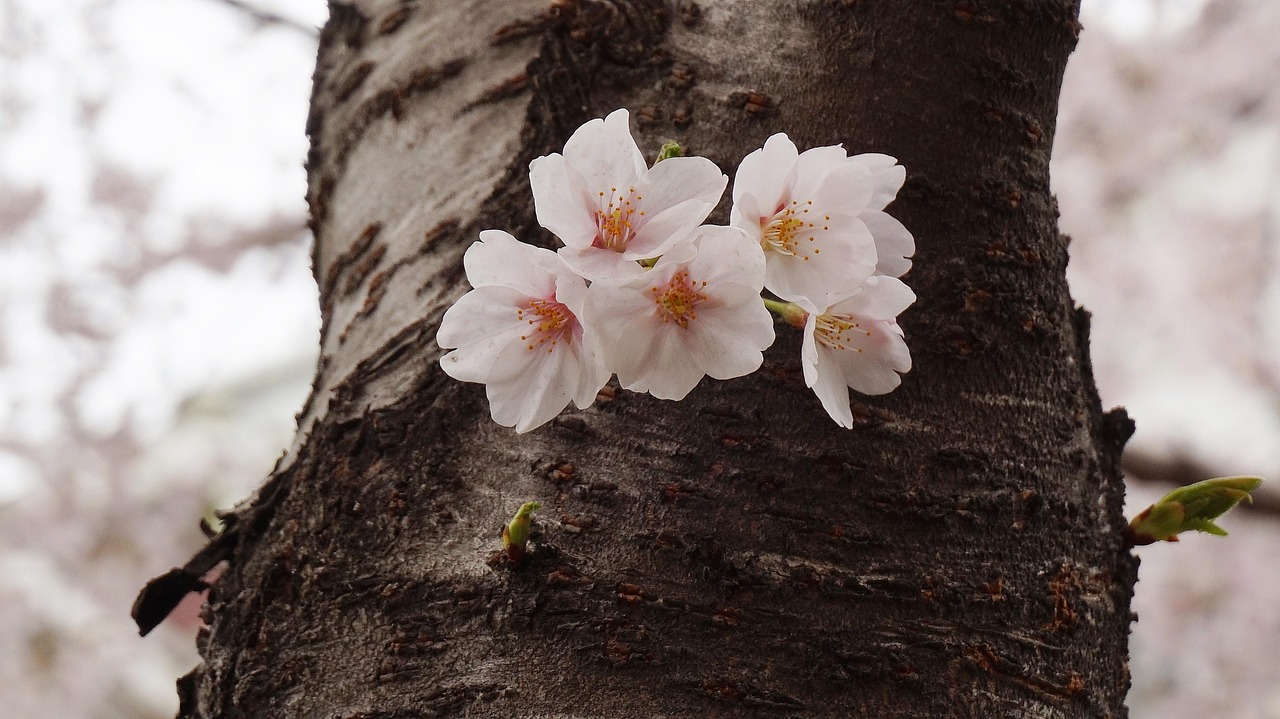
Every spring, millions of cherry blossoms erupt across South Korea in a spectacle that lasts barely two weeks. If you time your visit right, you will walk under tunnels of pink and white petals in some of the most photogenic settings in Asia. If you miss the peak by even a few days, you will find green leaves where flowers used to be. Here is how to plan a cherry blossom trip to Korea that actually delivers.
When Do Cherry Blossoms Bloom in Korea?
The bloom moves north and uphill as spring warms the peninsula. Jeju Island typically leads the country, with flowers opening in late March. Busan and the southern coast follow in late March to early April. Seoul usually peaks in the first week of April, while the inland mountains can hold blossoms through mid-April.
Korea Meteorological Administration releases an official cherry blossom forecast each year, usually in February, that predicts first-bloom and full-bloom dates city by city. Bookmark it in January and check back regularly. The Korea Tourism Organization also maintains a blossom tracker at visitkorea.or.kr that aggregates real-time reports from travelers on the ground. These two sources together give you a two-to-three week lead time to book transport and accommodation before prices spike.
Full bloom — the moment when roughly 80 percent of flowers are open — lasts five to seven days in ideal conditions. Rain accelerates petal fall dramatically. Book lodging with a flexible cancellation policy so you can shift dates if an early warm spell or a late cold snap throws off the forecast.
The Best Cherry Blossom Spots Around Korea
Seoul offers the highest concentration of famous spots within a small area. Yeouido Hangang Park hosts the Yeouido Cherry Blossom Festival, where a 1.7-kilometer road lined with 1,400 trees closes to cars entirely. It is crowded — expect shoulder-to-shoulder crowds on weekend evenings — but the atmosphere at night, lit by warm lanterns and food stalls selling hotteok (sweet pancakes, around 1,500 KRW each), is worth it. Gyeongbokgung Palace offers a more stately backdrop: the pale pink of blossoms against dark tile rooftops and stone walls is one of Korea’s most iconic spring images. Admission is 3,000 KRW. Namsan Seoul Tower area trails give you blossom views at altitude with the city spreading below.
Outside Seoul, these destinations earn the extra travel time, and if timing does not work out for peak bloom, Korea’s other spring flower festivals offer a backup plan:
- Jinhae, Changwon — arguably the single best cherry blossom destination in all of Korea. Over 360,000 cherry trees fill this naval city, and the Gunhangje Festival draws more than a million visitors across ten days. The famous Gyeonghwa Station has cherry blossom arches over the train tracks that produce the most shared photo in Korean spring tourism. KTX to Changwon Station from Seoul takes about three hours and 40 minutes; tickets run 48,000–58,000 KRW one way.
- Gyeongju — the ancient Silla capital surrounds Bomun Lake and the royal tumuli park with blossoms. Cycling the lake path (bike rental around 10,000 KRW per hour) while petals drift into the water is one of Korea’s great slow-travel experiences.
- Ssanggyesa Temple, Hadong — the ten-kilometer road from the village up to this 1,200-year-old Buddhist temple is lined with cherry trees that form a complete overhead canopy. It is quieter than Jinhae and rewards visitors who want mood over spectacle.
- Jeju Island — the 1100 Road through Hallasan’s mid-slopes pairs early blossoms with views of volcanic hillsides. Round-trip flights from Seoul Gimpo run from about 80,000 KRW on budget carriers.
Practical Tips for Navigating the Crowds
Cherry blossom season is peak domestic travel season in Korea. Hotels and guesthouses within walking distance of famous spots can triple their usual prices for peak weekend nights. Book at least six to eight weeks ahead if your dates are fixed. If you are flexible, a midweek visit — Tuesday through Thursday — cuts crowds noticeably and often saves 20 to 30 percent on accommodation.
For Yeouido in Seoul, arrive before 9 AM or after 8 PM. The festival road is most manageable on weekday mornings; weekend midday crowds can make a simple 500-meter walk take 30 minutes. The Yeouido subway station on Line 5 (or 9) drops you at the park entrance. Buy street food with cash — most pojangmacha stalls do not accept cards — and bring 10,000 to 20,000 KRW for snacks.
For Jinhae’s Gunhangje Festival, trains and buses to Changwon fill well in advance. Korean Rail (Korail) opens booking 30 days ahead at letskorail.com or through the Korail app. If trains are sold out, express buses from Seoul’s Nambu Terminal to Masan (adjacent to Changwon) run every 30 minutes and cost around 26,000 KRW. Within Jinhae, shuttle buses run between the main festival zones; the 1,000 KRW hop-on-hop-off route is the sanest way to move between Gyeonghwa Station, Romanza Street, and the harbor viewpoints.
Weather gear matters more than most visitors expect, so check a full Korea packing list by season before you go. April mornings can drop to 5–8°C. Rain is common. A packable waterproof layer and a small umbrella are worth the bag space — and if a downpour does roll in, these rainy day Seoul ideas will save the trip, while an umbrella doubles as a petal-shower prop for photos.
Cherry Blossom Food and Culture Worth Seeking Out
Spring brings sakura-themed (벚꽃) food to Korean bakeries, cafes, and convenience stores with more enthusiasm than almost anywhere outside Japan. GS25 and CU convenience stores stock cherry blossom edition chips, latte cans, and ice cream bars for 1,200–2,500 KRW — a low-stakes way to taste the season. Paris Baguette and Tous les Jours bakeries run limited spring menus with strawberry-cherry blossom cream cakes around 4,500–6,500 KRW per slice.
In Hadong and the southern regions, spring is also the start of nokcha (green tea) season. The tea fields near Boseong turn vivid green just as cherry blossoms fade, so a itinerary that starts in Jinhae and ends in Boseong captures two back-to-back visual peaks with minimal extra travel.
One cultural note: Korean cherry blossom outings are social and loud in the best way. Families barbecue in the parks, students hold impromptu picnics, and older couples dress in coordinated pastel hanbok for photos. Joining rather than resenting the energy makes the experience — pack a blanket, pick up some chicken and beer from a nearby chimaek stall, and settle in under the trees like everyone else.