Jeju’s beaches are not all the same, and the differences matter. The sand colour changes from white to grey to black depending on which volcanic deposits are nearest. The water visibility varies by coast and season. Some beaches have surf; others are calm enough for young children. The most famous beach is not necessarily the best beach for what you specifically want to do. This guide gives you an honest read on each beach so you can match the experience to your trip rather than just following the search rankings.
A few things are true across all Jeju beaches: swimming is only lifeguard-supervised from roughly June to August; jellyfish appear in late summer on the southern and eastern coasts; and a car or taxi is the realistic way to reach most of the best spots. For getting around the island, the Jeju Island travel guide covers transport options in detail.
Hyeopjae Beach — Best Overall for Sand and Water Colour
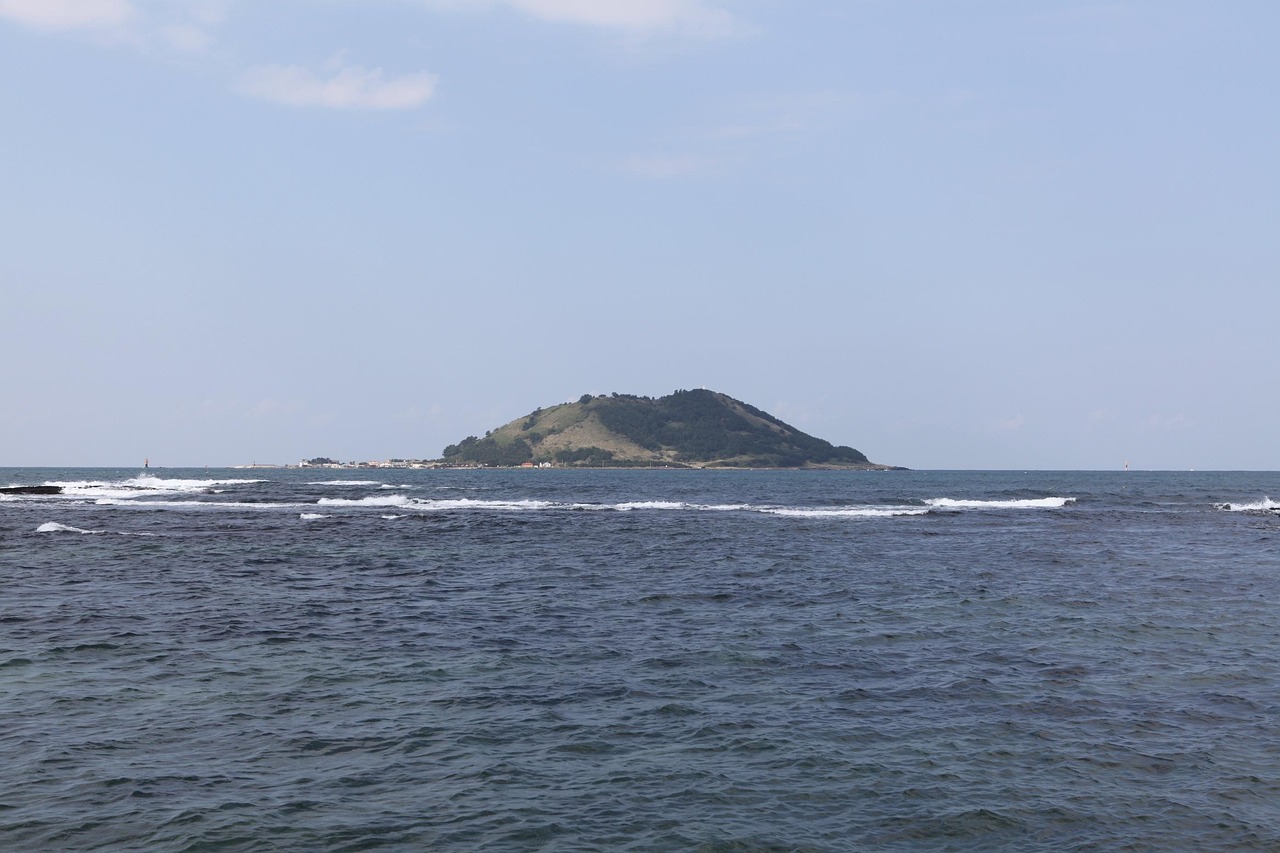
On the northwest coast, Hyeopjae Beach is consistently ranked Jeju’s finest beach — and the ranking is justified. The sand here is composed of crushed shells and coral ground down by ocean action over centuries, producing an unusually white, powdery texture. The water is shallow (knee-deep for 30–40 metres out from shore), and the natural colour in clear conditions approaches turquoise. The view offshore looks across to Biyangdo Island, a small volcanic cone that sits in the channel like a punctuation mark.
Practical notes: Hyeopjae is on the northwest coast, about 30 kilometres from Jeju City and 45 minutes by car. Peak summer weekends fill the parking area by mid-morning. Facilities include changing rooms, showers, beach umbrella rentals (approximately ₩15,000–20,000 per set as of 2026 — verify on site), and a row of cafes and restaurants along the shore road. Water temperature is cool even in summer by tropical standards — comfortable for swimming from late June to September, brisk outside those months. This is the right beach if sand quality and water colour matter most.
Hamdeok Beach — Most Convenient, Particularly for Snorkelling
Hamdeok sits on the northeast coast, roughly 20 kilometres from Jeju City and 20 minutes by car from the airport. That convenience makes it the most accessible beach on the island for visitors staying in or near Jeju City, and it is genuinely attractive — bright turquoise water in a crescent bay, backed by black basalt rocks at either end and a line of cafes and restaurants along the beach road.
The key distinction at Hamdeok is the natural swimming conditions: the bay is partially protected by offshore rocks that create calmer-than-average inshore water while still maintaining visibility. Snorkelling (mask and fins rental available at beach shops, approximately ₩10,000–15,000 per day — verify current rates) reveals basalt rock formations underwater that are unique to this bay. The beach itself is slightly smaller than Hyeopjae and the sand less dramatically white, but for families or anyone prioritising swimming safety and easy access, Hamdeok is the practical choice.
Evening is a particularly good time here — the sunset behind Jeju City produces warm light on the basalt outcrops, and the cafes along the beach road stay busy well past dark — for more spots, see the Jeju food guide.
Jungmun Saekdal Beach — The Surf Beach
Jungmun is Jeju’s south-coast beach, set within the Jungmun Tourist Complex near Seogwipo City. The exposure here is open southern ocean without the protective offshore rocks that calm the northern beaches — which means consistent shore break, stronger rip currents than elsewhere on the island, and the conditions that attract surfers.
Beginner surf lessons operate from the beach from June through September; board rentals and wetsuits are available from multiple operators along the beach path. Prices run approximately ₩40,000–50,000 for a 1-hour group lesson as of 2026 — verify rates with on-site operators. The south-facing aspect means afternoon sun hits the beach well, and the surrounding resort complex (Lotte, Shilla, Hyatt hotels) provides easy access to restaurants and facilities.
Important note for families and non-surfers: the shore break at Jungmun can be strong even on moderate days. Lifeguards operate during summer and mark safe swimming zones, but the conditions here are meaningfully different from the calm northern beaches. If you are bringing young children or want relaxed floating rather than active swimming, Hamdeok or Hyeopjae will serve you better.
Woljeong Beach — Jeju’s Cafe Beach
On the northeast coast between Jeju City and Seongsan — a good base for combining with an Udo and Seongsan day trip — Woljeong is a relatively recent addition to Jeju’s beach circuit and is best described as a social beach. The water is turquoise and clear, the shoreline is photogenic, and the road directly behind the beach has developed into a dense strip of independent cafes with ocean-view seating. In practical terms, this has made Woljeong very popular with Korean domestic visitors on Instagram-oriented trips.
As a swimming beach, Woljeong is moderate — calmer than Jungmun, smaller than Hyeopjae, and sometimes affected by seaweed on the shoreline in summer. As a base for a mid-afternoon coffee stop while driving the east coast road (between Jeju City and Seongsan), it is hard to beat. Park on the beach road, walk the sand, pick a cafe with outdoor seating, and stay an hour. That is the right amount of Woljeong.
Iho Tewoo Beach — Closest to the Airport
Iho Tewoo is 10 minutes by car from Jeju City centre and the closest beach to the airport. Two large white horse sculptures mark the entrance and appear in a disproportionate number of Jeju tourist photos. The beach itself is a combination of grey-black sand (unusual on Jeju) and coarser white sand sections, with calm water and a sheltered bay.
Iho is a genuinely local beach — it sees fewer foreign tourists than Hyeopjae or Hamdeok and more Jeju City residents using it as an after-work sunset spot. Facilities are basic but functional. If you are landing at Jeju on a late afternoon and want to get to water within 20 minutes of the airport without committing to a long drive, this is the answer. Do not expect Hyeopjae-quality sand or colour, but as a convenient introduction to Jeju’s coastal character, it works well.
Practical Beach Notes for Jeju
Swimming season: Lifeguards operate at designated swimming zones from approximately late June to late August. Outside these months, swimming is technically possible but is not supervised and the water temperature drops quickly after September.
Jellyfish: Late summer (August–September) brings jellyfish to Jeju’s waters, primarily on the southern and eastern coasts. Check with lifeguards about current conditions. Moon jellyfish (투명해파리) are common and usually harmless; lion’s mane jellyfish (red variety) carry a painful sting — treat any contact with skin as worth cleaning immediately.
Crowds: July and August peak season makes Hyeopjae in particular very crowded on weekends. Weekday visits in June or September offer meaningfully better conditions — warm water, fewer people, available parking.
Beach facilities: All major Jeju beaches have free outdoor shower stations, paid changing facilities (₩500–1,000 typically), umbrella and chair rentals, and food vendors. Bring cash for these — not all vendors take cards. For planning your wider Jeju visit around the beaches, the 3-day Jeju itinerary routes the west and east coast beaches into a logical driving sequence.