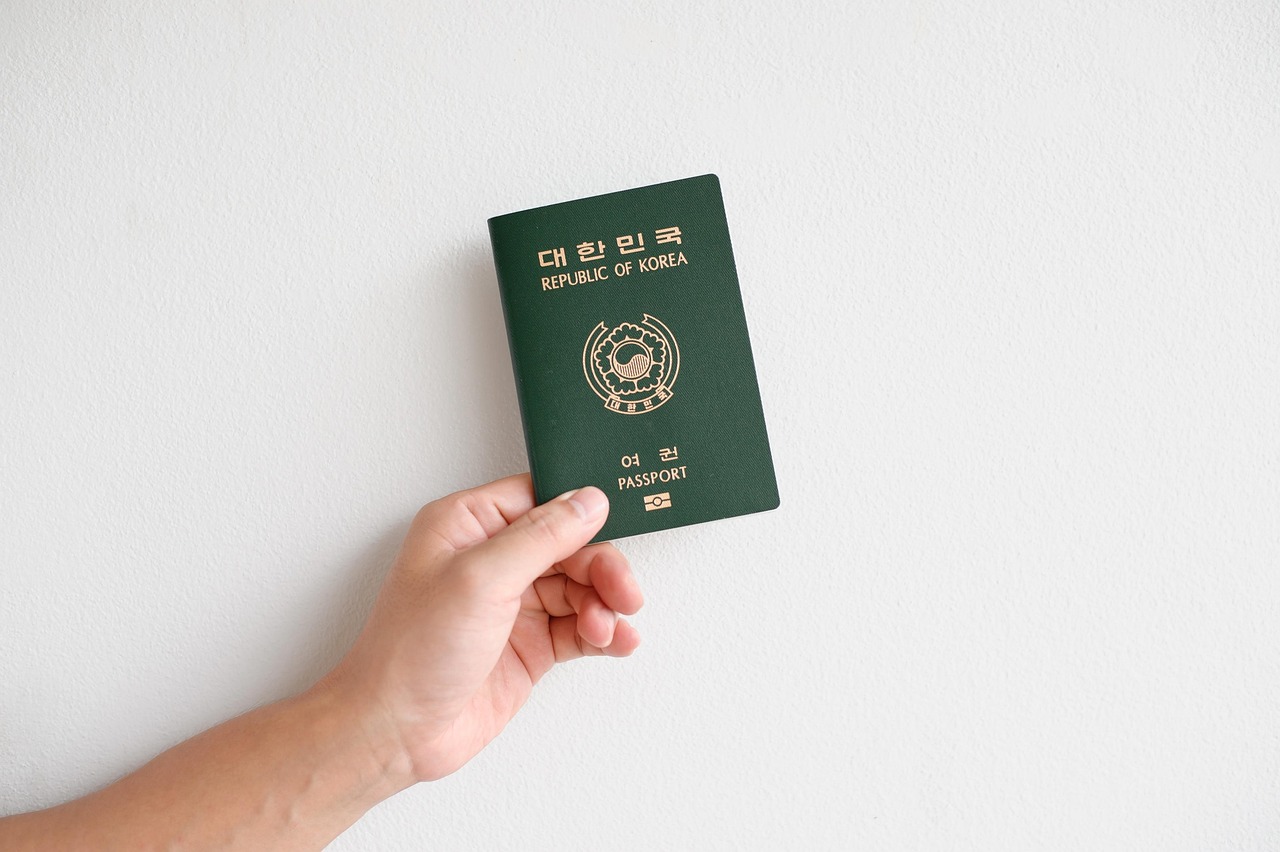
South Korea is one of the safest travel destinations in Asia — and walking safely in Korean cities is rarely a real concern for visitors — but that does not mean you should skip travel insurance. Medical costs at private hospitals in Seoul can hit ₩500,000–₩1,500,000 for a single emergency room visit, and trip cancellation due to a typhoon or sudden illness can wipe out thousands of dollars in prepaid bookings. A solid travel insurance policy costs far less than a single hospital bill — and Korea’s world-class healthcare system works best when you have the paperwork to back you up.
What Your Korea Travel Insurance Should Cover
Not all policies are created equal. When shopping for travel insurance for Korea, check that your plan includes these specific protections relevant to Korean travel:
- Emergency medical and hospitalization: Aim for a minimum of USD 100,000 in coverage. Seoul National University Hospital and Severance Hospital in Sinchon are top-tier but expensive for uninsured foreigners — expect ₩3,000,000–₩10,000,000 for inpatient stays requiring surgery.
- Medical evacuation: If you are on Jeju Island or in a rural area near Jirisan National Park and need specialist care, evacuation to Seoul can cost ₩2,000,000–₩5,000,000 by air ambulance. Make sure evacuation is listed explicitly.
- Trip cancellation and interruption: Korea’s typhoon season runs July through September. Flights into Gimhae International Airport (Busan) and Jeju International Airport are frequently delayed or cancelled during storms. Cancel-for-any-reason (CFAR) upgrades give extra flexibility.
- Baggage and personal belongings: Electronics theft near busy areas like Myeongdong or Hongdae does happen. Cover your phone and camera at replacement value, not depreciated value.
- Adventure activities: If you plan to hike Seoraksan, ski at Vivaldi Park or High1 Resort, or try paragliding in Danyang, confirm your policy covers these activities — many budget policies exclude them.
How to Use Travel Insurance at a Korean Hospital
Korea’s hospital system is efficient and internationally accredited, but the billing process differs from what many Western travelers expect. Here is a step-by-step guide for using your insurance in Korea:
- Step 1 — Choose the right facility. For non-emergencies, international clinics inside major hospitals have English-speaking staff. Try the International Healthcare Center at Asan Medical Center in Seoul (Olympic-daero 88, Songpa-gu) or the Global Care Center at Samsung Medical Center in Irwon-dong — a metered taxi is usually the fastest way to get there if you are unfamiliar with the subway system, and knowing the taxi basics for visitors in Korea beforehand makes this much less stressful during an already stressful moment. Both can deal directly with major international insurers.
- Step 2 — Call your insurer before treatment. Most policies require pre-authorization for non-emergency treatment costing over a set threshold — often USD 500. Your insurer’s 24-hour helpline number should be saved in your phone before you depart.
- Step 3 — Request an itemized receipt (영수증, yeong-su-jeung). Korean hospitals provide detailed itemized receipts automatically. Keep every document — diagnosis codes, prescription receipts from the pharmacy (약국, yakguk), and any imaging or lab results.
- Step 4 — Pay and claim, or request direct billing. If your insurer does not have a direct billing arrangement with the hospital, you pay upfront and submit a reimbursement claim. Upfront costs for a serious illness can run ₩5,000,000 or more, so carry a credit card with a sufficient limit.
- Step 5 — File within the claim window. Most insurers require claims within 90 days of treatment. Submit all original receipts — scanned copies are usually accepted but confirm with your provider.
Recommended Policy Types and Cost Benchmarks
Travel insurance for a two-week trip to Korea typically falls into one of three tiers. Prices below are approximate USD figures for a healthy adult in their 30s:
- Budget single-trip policy (USD 30–60): Covers basic medical up to USD 50,000 and trip cancellation up to USD 2,500. Fine for a straightforward Seoul city trip with no adventure activities. Providers like World Nomads Basic or Allianz OneTrip Basic fall here.
- Mid-range policy (USD 60–120): Medical coverage of USD 100,000–250,000, baggage up to USD 2,000, and adventure sports included. Good for multi-city itineraries covering Seoul, Busan, and Jeju. World Nomads Standard or Travel Guard Preferred sit in this range.
- Premium / annual multi-trip policy (USD 150–400/year): Ideal for frequent visitors or digital nomads based in Korea on a D-10 visa. IMG Global Medical, Cigna Global, and SafetyWing Remote Health all offer annual plans with Korean network access.
- Credit card travel insurance: Some premium cards (Chase Sapphire Reserve, Amex Platinum) include trip cancellation and emergency medical. Check the certificate of insurance carefully — medical limits are often only USD 10,000, which is insufficient for serious hospitalisation in Korea.
Korea-Specific Risks Worth Noting
A few situations come up repeatedly for travelers in Korea that standard insurance advice often overlooks:
- Fine dust (미세먼지, misemeonji) season: Spring (March–May) brings heavy particulate pollution, especially in Seoul and the western coast. Travelers with asthma or respiratory conditions may need medical attention. Confirm your policy covers pre-existing conditions if relevant.
- Moped and scooter rental: Scooter rentals are popular on Jeju Island, though many travelers find renting a car on Jeju a safer alternative for covering the island. Many standard travel policies exclude motorized vehicles above 50cc — read the fine print or buy a specific rider.
- Alcohol-related incidents: Korea’s nightlife in areas like Itaewon, Hongdae, and Busan’s Seomyeon is lively. Most policies exclude claims arising from incidents while intoxicated. Be aware of this clause.
- North Korea proximity panic: Geopolitical tension occasionally spikes. Standard policies do not cover trip cancellation due to perceived political risk — only actual government-issued travel advisories. Check whether your policy has a “change in travel advisory” clause.
What to Do If Your Claim Gets Rejected or Delayed
Insurance claims from Korea get rejected or delayed more often than travelers expect, usually for avoidable paperwork reasons rather than genuine policy exclusions. Knowing the common failure points before you travel saves weeks of back-and-forth with your insurer after the fact.
- Missing the English translation. Korean hospitals issue receipts and diagnosis summaries in Korean by default. Most international insurers accept the original Korean document, but some U.S.-based insurers demand a certified English translation before processing a claim. Ask the hospital’s international desk for an English-language medical certificate (진단서, jindanseo) at the time of treatment — requesting it weeks later from abroad is slower and sometimes costs an extra ₩10,000–₩30,000 (as of 2026 — verify before visiting) in administrative fees.
- Card payment records don’t match the receipt name. If you pay with a travel companion’s card, or split payment between cash and card, insurers can flag the mismatch and delay reimbursement while they request an explanation. Pay with your own card wherever possible, or keep a simple written note of who paid what.
- The claim form asks for a “GP referral” that doesn’t exist in Korea. Korea’s system lets patients walk into a specialist or hospital directly without a referral from a family doctor, which is standard practice for UK and Australian travelers used to referral-based systems. Some claim forms still ask for referral details — write “N/A, direct access system” rather than leaving it blank, since blank fields trigger manual review and add days to processing.
If a claim is rejected outright, ask the insurer in writing for the specific policy clause cited, then appeal with the itemized Korean receipt attached — a large share of first-round rejections are reversed on appeal once the paperwork is complete. Set a calendar reminder for the claim window, since chasing hospital paperwork from Korea after you’ve returned home is far slower than doing it in person before departure.
Single-Trip vs Annual Multi-Trip: Which Suits You
Deciding between a single-trip policy and an annual multi-trip plan comes down to how often you visit Korea and the region, not just the length of any one trip. A single two-week policy (roughly USD 40–80) is cheaper for a one-off holiday, but the maths flips quickly if Korea is one stop on a longer Asia itinerary or you expect to return within the year.
- Choose single-trip if: this is a one-time visit of under a month, you have no confirmed return trip planned, and your itinerary is limited to Korea rather than a multi-country tour.
- Choose annual multi-trip if: you travel to Korea for business two or more times a year, you’re a frequent visitor with family in Korea, or Korea is one leg of a broader Asia-Pacific trip and you’ll cross into Japan, Taiwan, or Southeast Asia within the same 12 months. Annual plans (USD 150–400/year, as of 2026 — verify before visiting) typically break even after just two short trips and remove the hassle of re-buying a policy each time.
One detail overlooked by travelers coming from Europe: annual multi-trip policies sold in the EU and UK often cap any single trip at 30, 45, or 90 days. If your Korea trip is part of a longer career break or sabbatical, check the maximum single-trip length buried in the policy wording — it is easy to assume “annual” means unlimited trip duration when it does not.