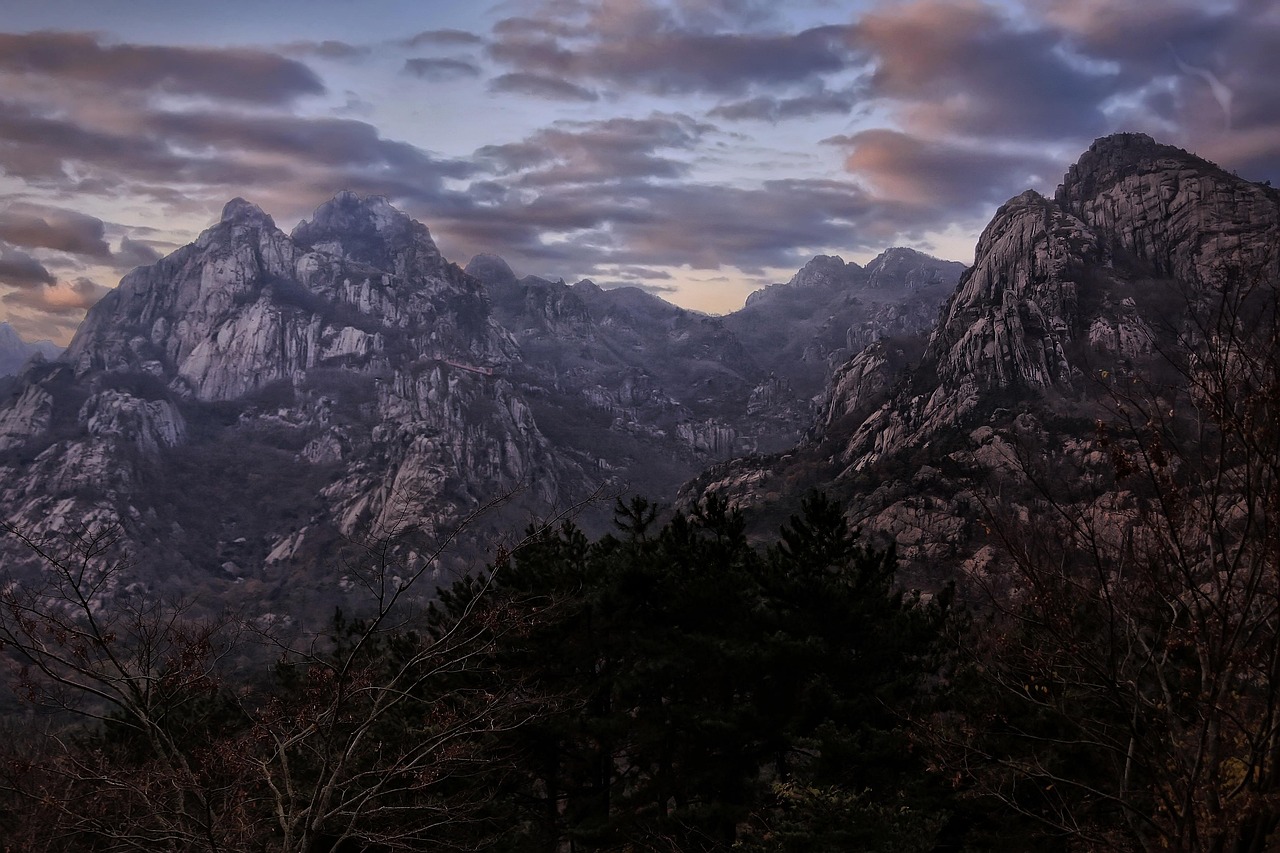
LGBTQ+ visitors travel in Korea every day, especially in Seoul, Busan, Jeju, and major tourist areas. Korea is generally safe for travelers, but public attitudes can be more conservative than in some Western cities. Same-sex couples and queer travelers should plan with both confidence and cultural awareness: choose inclusive areas, be mindful with public affection, protect privacy on apps, and know emergency contacts.
This guide gives practical, balanced advice for LGBTQ+ visitors to Korea.
Quick Answer
LGBTQ+ travelers can visit Korea, but public visibility varies by place. Seoul has queer nightlife areas and events, while public displays of affection are generally subdued for couples of any orientation. Use normal travel safety habits, protect app privacy, and call 112 or 119 in emergencies.
Legal and Social Context
The U.S. State Department states that there are no legal restrictions on consensual same-sex sexual relations or events focused on sexual orientation in South Korea. At the same time, social acceptance can vary by generation, region, workplace, family background, and religious community.
For visitors, this means Korea is navigable but not uniformly open in every setting.
Major cities tend to be easier. Small towns, formal workplaces, and family-centered environments may feel more conservative.
Public Displays of Affection
Public affection in Korea is generally more subdued than in some countries. Straight couples may hold hands or lightly hug, but intense public affection can draw attention regardless of orientation.
For LGBTQ+ couples, read the setting:
- tourist district: usually easier
- nightlife area: more relaxed
- subway or bus: keep it low-key
- rural town: be more discreet
- hotel lobby: normal couple behavior is usually fine
Choose comfort and safety over proving a point in an unfamiliar place.
LGBTQ+ Areas and Nightlife
Seoul has LGBTQ+ nightlife, especially around Itaewon and Jongno. Some venues are foreigner-friendly; others are more local and may have language barriers, so it helps to know the local alcohol rules and public behavior in Korea before a night out.
Nightlife tips:
- check recent venue information
- bring ID
- watch your drink
- use trusted transport home
- avoid filming people inside venues
- respect spaces that value privacy
- do not out other people online
Queer venues may be protective of guest privacy because not everyone is publicly out.
Hotels and Accommodation
Most major hotels are used to international guests and do not care about couple composition. Smaller guesthouses may vary, but discrimination is not something most short-term visitors report as a routine hotel issue in tourist areas.
Booking tips:
- choose well-reviewed accommodations
- book double rooms clearly
- use international hotel brands if you want predictability
- message the property before arrival if you have concerns
- avoid accommodations with unclear policies or poor reviews
For trans and nonbinary travelers, privacy-forward hotels with professional front desks may feel easier than small shared guesthouses.
Dating Apps and Privacy
Dating apps are used in Korea, but privacy matters.
Safety habits:
- meet first in public
- tell a friend where you are going
- do not share hotel room details early
- watch for scams
- be cautious with people asking for money
- avoid sending sensitive images
- use transport you control
Also remember that some app users may not be out. Do not screenshot or share profiles.
Trans and Nonbinary Travel Notes
Travel can be smoother when your passport, ticket, and hotel booking names match. If your presentation differs from documents, allow extra time at airports, clubs, and ID checks.
Practical tips:
- keep medication in original packaging
- check medicine import rules before travel
- choose private rooms when possible
- research gendered facilities such as bathhouses carefully
- use accessible or family restrooms where available and appropriate
Korean bathhouses and jjimjilbangs are usually gender-separated and may not be comfortable for every trans or nonbinary traveler.
Safety and Support
For emergencies in Korea:
- Police: 112
- Fire or medical emergency: 119
- Korea Travel Hotline: 1330
If you face harassment, leave the area first and seek help from venue staff, hotel staff, police, or trusted locals. Reviewing common cultural mistakes to avoid in Korea beforehand can also help you read situations more confidently.
Korea is generally safe, but your instincts matter. If a place or person feels wrong, leave.
FAQ
Can you take photos anywhere in Korea?
Mostly yes — but not everywhere, and this is one of the least-known Korean laws tourists break. Photography is restricted near military installations, some government buildings, and — most relevantly for visitors — parts of the DMZ and Joint Security Area, where guides will tell you exactly when cameras are and aren’t allowed. Ignoring a soldier’s instruction not to photograph a checkpoint or facility is treated seriously, not as a minor faux pas; confiscation of memory cards or a formal warning is possible, and in rare cases prosecution under security law. Away from sensitive sites, Korea is one of the most photogenic and camera-friendly countries in Asia, so this rule affects only a small slice of any typical itinerary.
A second, more everyday photography issue is privacy law rather than security law: publishing identifiable photos of strangers — especially in changing rooms, public baths (jjimjilbang), or inside someone’s shop or stall — without consent can expose you to a civil complaint, even though casual street photography of crowds is generally fine. Local tip: at markets like Gwangjang or Namdaemun, vendors are used to tourists photographing food, but pointing a camera directly at a person’s face without asking is considered rude and occasionally provokes a sharp reaction — a quick “sajin gwaenchanayo?” (사진 괜찮아요?, “is a photo OK?”) goes a long way and isn’t something most guidebooks mention. Compare this to somewhere like Thailand or Vietnam, where street photography norms are looser: Korea sits closer to Japan on this spectrum, favouring a quick ask over a candid shot.
Do you need to declare cash when entering or leaving Korea?
Yes, if you’re carrying more than USD $10,000 (or the equivalent in any currency, including won) in cash or negotiable instruments, you must declare it to Korea Customs on arrival or departure. This trips up a small but real number of travellers who assume the rule only applies to Korean won, or who forget that pooled family cash across several people can push a group over the threshold per person. Failing to declare isn’t a minor paperwork slip — undeclared amounts over the limit can be seized, and travellers can face fines or, in serious cases, referral for investigation. If you’re combining a Korea trip with duty-free shopping or planning to pay for a large purchase (jewellery, electronics) in cash, do the maths before you land.
For ordinary tourist budgets this is rarely relevant — most visitors carry far less — but it matters for business travellers, long-stay visitors, or anyone bringing savings for a property deposit or long course of study. Practical tip most sites skip: airport currency exchange counters at Incheon do not report your transaction to customs — the customs declaration is a separate legal requirement checked at the immigration/customs desk, not something a money changer handles for you — so don’t assume exchanging money clears your obligation.
Is Korea safe for LGBTQ+ travelers?
Generally yes for many visitors, especially in major cities, but social attitudes can be conservative.
Is same-sex public affection common in Korea?
Public affection is usually subdued overall. LGBTQ+ couples may prefer to be more discreet depending on location.
Are there LGBTQ+ areas in Seoul?
Yes, Seoul has LGBTQ+ nightlife areas, especially around Itaewon and Jongno.
Should LGBTQ+ travelers avoid jjimjilbangs?
Not always, but gender-separated bathhouse culture may be uncomfortable or complicated for some trans and nonbinary travelers.
Explore more Korea Go Now guides
- Solo Female Travel in Korea
- Jjimjilbang and Bathhouse Basics
- Nightlife Safety in Seoul