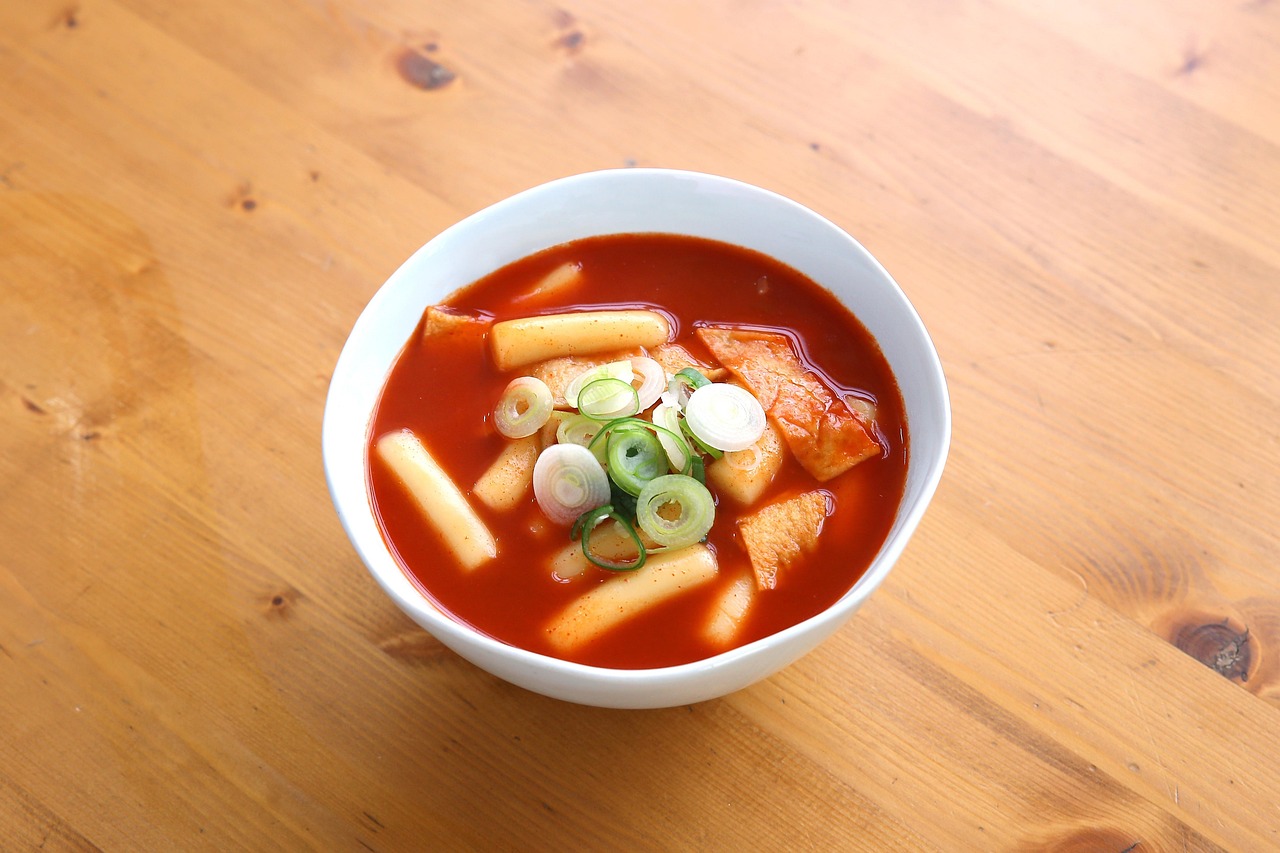
The first cold snap changes how Korea eats. Steam rises off fish-cake broth on street corners, trucks of sweet potatoes appear outside subway exits, and coastal towns start hauling in the catch that locals have waited all year for. If you visit between November and March, you are arriving at the best moment for Korean seafood, and this guide explains what to eat, where to go and how to avoid the common first-timer mistakes.
If you are building a year-round food plan, it helps to read this alongside our summer foods guide and autumn foods guide, because the seasons overlap in useful ways: autumn leads straight into the oyster and gwamegi harvests, while winter crab carries on into early spring.
Why Winter Is Korea’s Seafood Peak
Cold water changes seafood. Fish put on fat, shellfish grow plumper, and the East Sea (the sea between Korea and Japan) and the southern coast produce some of the year’s best eating. Koreans plan trips around this: a weekend away to a particular port for a particular fish is completely normal, and many of the festivals below exist because whole towns organise their year around a single catch.
Most winter specialities are regional, so the best approach is to pick one or two destinations rather than trying to tick off everything. For a broader map of what each province is known for, see our guide to regional foods to try in Korea.
Oysters (Gul): Tongyeong and the Southern Coast
Oysters are in peak season roughly from November to March, and quality is often described as especially good until around January. The Tongyeong and Geoje coast is Korea’s main farmed-oyster hub; Tongyeong is commonly cited as producing the large majority of the national harvest (published estimates vary, so treat any single percentage with caution). Harvesting in the Tongyeong area typically runs from about October to the following June, and the new season’s oysters, known as hae-gul, arrive in late autumn (as of 2026 — verify on the official site before visiting).
The Hanryeo Waterway Oyster Festival in Tongyeong, reported by Korean media to have held its 29th edition on 1 November 2025 at Gangguan Culture Square, offers tastings, activities and discounted sales. It is usually held around late autumn, but dates can shift — confirm on the official site.
How oysters are served is where first-timers get surprised:
- Raw (saeng-gul): eaten fresh with a vinegary red-pepper dip (cho-gochujang) or just a squeeze of lemon.
- Gul-gui: grilled or steamed in the shell on a tabletop grill, usually sold by weight or by the set.
- Gul-bossam and gul-jeon: boiled oysters with kimchi and pork, or oysters in a savoury egg batter, both good if you are wary of raw shellfish.
- Gul-guk-bap: a hot oyster rice soup that suits a cold morning.
Tip: if you are uneasy about raw shellfish, choose a grilled or cooked set. Restaurants near the harbour usually price by set size, so ask what is included and confirm any price on the menu (as of 2026 — verify on the official site before visiting). Tongyeong is a few hours from Seoul by intercity bus from the Seoul Nambu or Gangnam express terminals (roughly four hours, with fares varying; as of 2026 — verify on the official site before visiting), so many travellers pair it with a Busan stop; our Busan winter guide covers that side of the trip.
Gwamegi: Guryongpo’s Wind-Dried Fish
Gwamegi is semi-dried Pacific saury, historically herring, hung to dry in the cold sea wind and eaten in thin, chewy slices. Guryongpo in Pohang is the centre of production, with sources suggesting it accounts for the vast majority of the country’s gwamegi. The drying season runs from about November through the Lunar New Year period, with the peak commonly given as late October to mid-January (as of 2026 — verify on the official site before visiting).
The Guryongpo Gwamegi Festival has been held in mid-November in recent years; the 26th edition took place on 15 to 16 November 2025 at Ara Plaza in Guryongpo-eup, Nam-gu, Pohang, with tastings, a direct-sales market and traditional drying demonstrations. Expect something similar in 2026, but dates can shift — confirm on the official site.
Be honest with yourself about taste: gwamegi is chewy, oily and quite fishy, and it is typically eaten wrapped in seaweed or with garlic, chilli and a splash of soju or makgeolli. It suits adventurous eaters. If you only want to try a bite, buy a small portion at the market rather than ordering a full plate.
Getting there: Pohang is reachable from Seoul by KTX high-speed train in roughly two and a half hours, then a local bus or taxi to Guryongpo (typically 30 to 60 minutes depending on traffic). Timings and fares change, so check them on the Korail site before you go.
Bangeo: Amberjack at Moseulpo, Jeju
Jeju’s southern port of Moseulpo in Seogwipo, the southernmost fishing port in Korea, hosts the Bangeo (greater amberjack) Festival every November. Admission is reported to be free, with some individual programmes possibly charged. The 2024 edition ran from 28 November to 1 December, and the 25th edition ran 20 to 23 November 2025, generally from late morning until early evening. The organisers had not announced 2026 dates when this was researched, so expect mid-to-late November and check the festival committee’s official site (dates can shift — confirm on the official site).
Programmes have included a large-fish filleting show, tastings, bare-hand fish catching, cage-fishing experiences and haenyeo (female diver) culture activities. Bangeo is eaten as sashimi, thick-cut and rich, and it is a good choice if you find thinner white fish slightly bland. From Jeju City, Moseulpo is roughly an hour or so by bus or longer by public transport connections (as of 2026 — verify routes and timetables locally before travelling).
Snow Crab (Daege): Yeongdeok and Uljin
Snow crab on Korea’s East Sea coast has a legal closed season from 1 June to 30 November, according to the Ministry of Oceans and Fisheries, so the season effectively opens in December. The seasonal window is commonly given as late autumn or December through May, with January to March considered the best stretch for meat and value (as of 2026 — verify on the official site before visiting). Red snow crab (bul-geun-daege), a popular alternative around Uljin and Yeongdeok, can be caught from roughly September to June, with the peak from around November.
The Yeongdeok Snow Crab Festival is now held in mid-to-late March; the 29th edition ran from 26 to 29 March 2026 at Haeparang Park in Ganggu. Dates for 2027 are not confirmed, so dates can shift — confirm on the official site.
Ordering logic matters here, because crab is priced by size and weight and prices can be high. Typical practice is to choose a live crab at the tank, have it steamed, and finish with a rice dish cooked in the shell. Agree the weight and the total before it goes in the pot. Seafood buying etiquette is similar in cities, and our beginner’s guide to seafood markets covers tank selection and weighing in detail; for a city example, see the Jagalchi Market guide in Busan.
Winter Street Snacks and Pojangmacha
You do not need to leave the city to eat well in winter. Core cold-weather snacks include bungeoppang (a fish-shaped pastry filled with red bean or custard), hotteok (a brown-sugar filled pancake), gun-goguma (roasted sweet potato) and eomuk (fish-cake skewers in a radish and anchovy broth, with the broth often served free). Gyeranppang, a small egg-topped sweet bread, is also popular when temperatures drop. Most cost only a small amount of cash or a card tap, though prices differ by area and year (as of 2026 — verify on the official site before visiting).
Pojangmacha are the orange-tent roadside stalls and late-night bars that serve fish cake, tteokbokki and soju. In winter the plastic sheeting comes down and the tents become warm, steamy and social. If you are new to ordering from street vendors, our street food guide for first-timers explains payment, portion sizes and etiquette.
Local tip: carry some small cash, since a few older vendors still do not take cards, and eat while the item is hot. Fish-cake broth is meant to be sipped between skewers.
Which Winter Food Suits You?
- First-timers who want something easy: street snacks in the city and grilled or cooked oysters.
- Adventurous eaters: gwamegi and raw bangeo, which have strong flavours and chewy texture.
- Special-occasion diners: snow crab, which is more expensive and best treated as a shared meal.
- Short on time: stay in Seoul or Busan, where many of these seafoods appear on menus without a long trip.
If you want to understand the manners behind shared dishes, soup and soju, our guide to Korean food culture is a useful companion.
Practical Planning Tips
- Book around the season, not the festival: festivals shift, but harvest seasons are steadier (dates can shift — confirm on the official site).
- Eat at the source: a harbour restaurant or market often beats a Seoul menu for freshness.
- Dress warmly: East Sea and Jeju harbour winds are brutal in January.
- Ask before you order: seafood is often priced by weight, so confirm the amount and the total.
Whichever direction you head, treat winter as the season to plan food-first: pick a harbour, pick a catch, and let the weather do the rest.
When is oyster season in Korea?
Oysters are at their best roughly from November to March, with quality often described as especially good until around January. Harvesting in the Tongyeong area typically runs from about October to June. Check local sources as seasons vary.
When can you eat snow crab in Korea?
The legal closed season on the East Sea coast runs from 1 June to 30 November, so the season opens in December. January to March is commonly considered best for meat and value. Confirm timing locally.
What is gwamegi and is it worth trying?
Gwamegi is semi-dried Pacific saury from Guryongpo, Pohang, eaten in chewy slices. It has a strong fishy flavour, so it suits adventurous eaters; try a small portion first.
What are the most popular winter street snacks?
Bungeoppang, hotteok, roasted sweet potato (gun-goguma) and fish-cake skewers (eomuk) with broth are the staples, along with gyeranppang. Prices vary, so check on the spot.
Are the winter food festivals held on the same dates each year?
No. The Tongyeong oyster, Guryongpo gwamegi, Moseulpo bangeo and Yeongdeok crab festivals shift year to year, so dates can shift; confirm on each official site before booking travel.