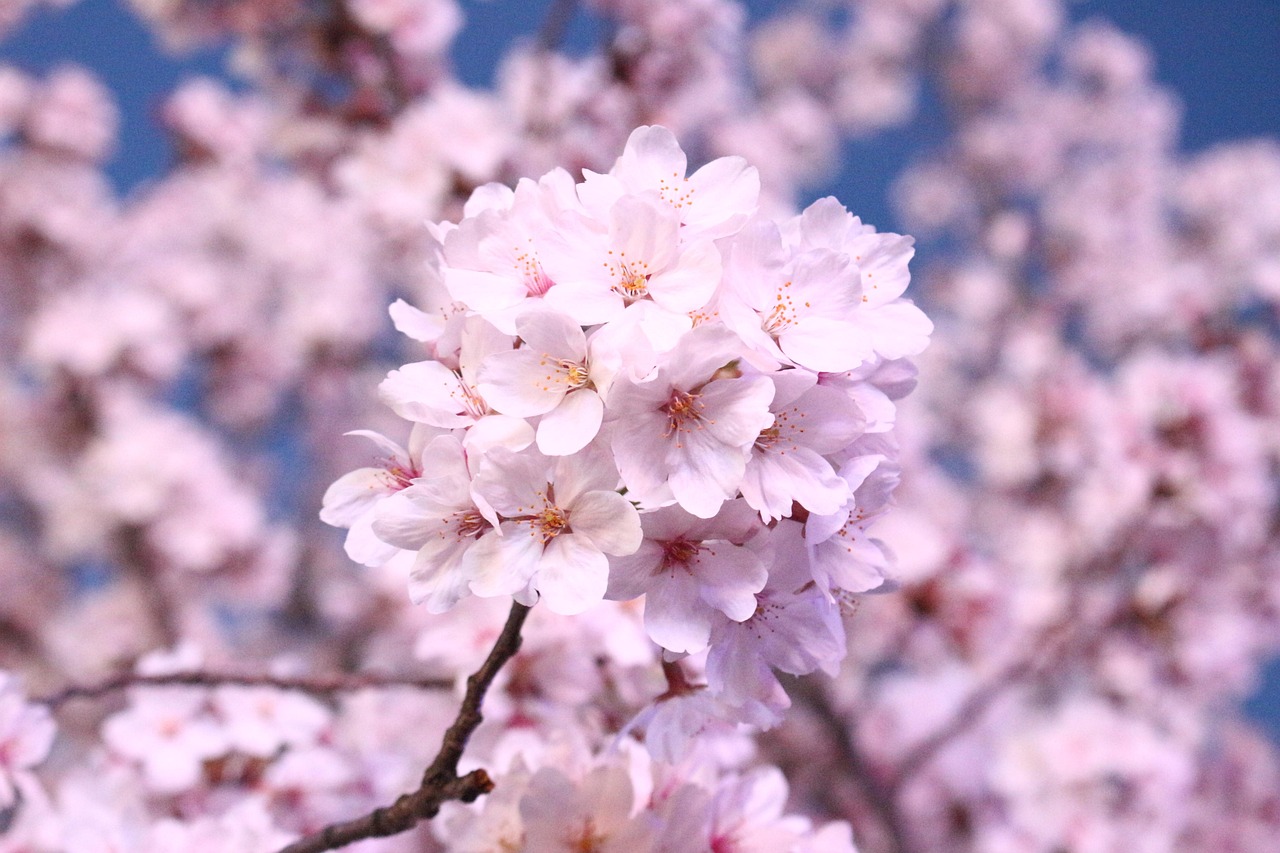
Once a year, the naval town of Jinhae (진해) — officially a district of Changwon (창원) about an hour west of Busan — disappears under a tidal wave of pink. The Jinhae Gunhangje Festival (진해 군항제) is the biggest and most famous cherry blossom festival in South Korea, built around roughly 340,000 cherry trees that line streams, hillsides, a disused railway and a 6km mountain pass. For Busan-based travellers it is the single best cherry blossom day trip of the year — but it is also genuinely crowded, and getting there during the festival takes patience. Here is how to do it well, candidly and without the rose-tinted glasses.
Why Jinhae
Plenty of places in Korea have pretty cherry blossoms — Busan’s own Dalmaji Hill is lovely. What makes Jinhae different is scale and setting. This is a navy town (“Gunhangje” roughly means “naval port festival,” and the event also honours Admiral Yi Sun-sin), so the blossoms drape over a working military city: photogenic streams, an old steam-era railway, and a hilltop tower looking out over the harbour. Two spots in particular — the romance footbridge over Yeojwacheon Stream and the cherry-blossom railway tunnel at Gyeonghwa Station — are among the most-photographed places in the entire country. Over a million visitors pour in across the ten-day festival, which tells you both how special it is and how busy it gets.
When it happens & 2026 timing
The festival runs in late March to early April, timed to the southern coast’s early bloom. The 64th Jinhae Gunhangje is scheduled for roughly March 27 to April 5, 2026, across Jinhae District in Changwon, opening with a ceremony and the much-loved Military Band and Honor Guard parades on weekends and evenings.
A blunt warning about timing: cherry blossoms do not read the calendar. Early 2026 forecasts pointed to first bloom around March 25–26 and full bloom around March 31 to April 1, but bloom forecasts shift every year with the weather and are routinely revised. Peak bloom can arrive before the festival opens or fade before it closes. Confirm the official Gunhangje dates and the latest bloom forecast closer to your trip rather than booking blind weeks out — the difference between “full bloom” and “bare branches” is only a few warm or cold days.
How to get there from Busan
The simplest route is the intercity bus. From the Busan Seobu (Sasang) Intercity Bus Terminal (부산서부시외버스터미널) — connected directly to Sasang Station on Busan Metro Line 2 — buses run to Jinhae frequently from early morning (first departures around 6am), roughly every 30–40 minutes, for about 6,100 won one way. The ride is around an hour in normal conditions. Tickets are typically open-seating and valid through the day. If you would rather not change buses, some travellers route via Changwon instead; either works, but the direct Jinhae bus is usually the least fuss.
Now the honest part: during the festival, that one-hour ride can stretch well past it. Jinhae closes roads, runs traffic-control measures, and pushes parking out to lots on the edge of town, so arrival times balloon on weekends. Once you are in Jinhae, the festival runs free shuttle buses (colour-coded loops on weekends, a single loop on weekdays) connecting the parking areas to the main sights, plus regular city buses — though bus-stop signage is largely Korean-only, so save your stops in a map app in advance. Do not drive yourself unless you enjoy sitting still; if you want zero logistics, organised day tours from Busan handle the transport for you.
The must-see spots
Yeojwacheon Stream (여좌천) is the postcard. A narrow stream is lined on both banks with cherry trees that meet overhead, crossed by small footbridges — the most famous being the so-called Romance Bridge (로망스 다리). Its real name is simply Yeojwacheon Bridge, but it became a pilgrimage site after featuring in the 2002 MBC drama “Romance,” where the two leads first meet. After dark the stream is lit up, and the reflections are genuinely beautiful — though the entrance is a crush of people, so walk further along to find calmer stretches.
Gyeonghwa Station (경화역) is the other icon: a railway station where trains stopped running in 2006, now famous for an roughly 800-metre stretch of track running dead-straight through a tunnel of cherry trees. CNN once listed it among Korea’s most beautiful places, and it shows — which also means it is mobbed, and getting a clean photo of the tracks without a hundred strangers in frame requires either a very early start or a lot of patience. It sits a little out from the central venues, reachable by bus or shuttle from Jinhae Station.
Jehwangsan Park (제황산공원) gives you the big-picture view. Climb the cherry-lined 365-step staircase (one step per day of the year) or ride the short monorail up to Jinhae Tower, and you get a panorama over the whole city in bloom and out to the harbour. If you have a car or extra time, the Anmingogae Pass (안민고개) — a 9km hill road with about 6km of cherry-blossom tunnel and views over Jinhaeman Bay — is the scenic drive locals love, though it is awkward to reach without your own wheels.
A suggested day plan
- 6:00–7:00am — Take an early bus from Busan Seobu (Sasang) terminal. Yes, it is painful; it is also the single biggest thing you can do to enjoy the day.
- Mid-morning — Hit Gyeonghwa Station first, while the light is soft and the crowds are thinnest.
- Late morning — Move to Yeojwacheon Stream and the Romance Bridge; walk the full length, not just the entrance.
- Lunch — Eat near Jungwon Rotary (중원로터리), the festival’s lively central hub of food stalls and performances.
- Afternoon — Ride up to Jinhae Tower / Jehwangsan Park for the panorama, then browse the stalls.
- Evening — Catch Yeojwacheon Stream lit up at dusk, then head back to Busan before the last buses (running into the evening) get jammed.
Beating the crowds
There is no secret trick here, only two reliable levers: go early and go on a weekday. A Tuesday or Wednesday is dramatically calmer than a festival Saturday, when traffic control, packed shuttles and shoulder-to-shoulder bridges are the norm. Arriving by 8–9am buys you an hour or two of relative breathing room at the headline spots before the day-trip tour buses land. If your only option is a weekend, manage expectations: the blossoms are still spectacular, but accept that you are sharing them with a crowd.
Best time to visit
For the blossoms themselves, you are chasing peak bloom, usually the last days of March into the first days of April — but, again, lock this to the live forecast, not the brochure. For comfort, a weekday early in the festival tends to balance good blooms against thinner crowds. If you only care about the cherry blossoms and not the festival atmosphere, note that nearby spots on the southern coast bloom on a similar schedule, so a flexible plan helps if Jinhae’s timing slips.
Practical tips
- Wear comfortable shoes — you will walk a lot, and the best spots are spread across town linked by shuttles.
- Carry cash for food stalls, and a power bank — you will photograph nonstop.
- Save your bus stops and spots in a Korean map app (Naver Map or KakaoMap) since signage is mostly Korean.
- Late March can still be chilly, especially after dark by the stream — bring a layer.
- Build in buffer time for the return journey; festival traffic is unpredictable and the last comfortable buses fill up.
- This is a day trip from Busan — Jinhae’s own lodging sells out far in advance during the festival, so basing yourself in Busan is the easier play.
Frequently Asked Questions
How do I get to Jinhae from Busan?
Take an intercity bus from Busan Seobu (Sasang) Terminal, which connects directly to Sasang Station on Metro Line 2. Buses run roughly every 30-40 minutes from around 6am, with fares around 6,100 won one way and a typical journey of about one hour—though festival traffic can extend this significantly on weekends.
What are the two most famous spots to see cherry blossoms at Jinhae?
Yeojwacheon Stream's Romance Bridge is the iconic postcard location, featuring cherry trees lining both banks and overhead canopy; it's beautifully lit after dark but very crowded at the entrance. Gyeonghwa Station offers an 800-metre cherry-blossom tunnel running alongside disused railway tracks, though it's similarly mobbed and you'll need an early start for clear photos.
When should I visit to see peak cherry blossoms?
The 2026 Gunhangje Festival is scheduled for roughly March 27 to April 5, with early forecasts suggesting first bloom around March 25-26 and full bloom around March 31 to April 1. Always check the latest official bloom forecast closer to your trip, as cherry blossoms vary yearly with weather—the difference between full bloom and bare branches is just a few warm or cold days.
Is it better to visit on a weekend or weekday?
Weekdays, especially Tuesday or Wednesday, are dramatically calmer than festival weekends when crowds jam the bridges and shuttle buses. If you can only visit on a weekend, arrive by 8-9am to get an hour or two of relative breathing room before day-trip buses arrive, though you should expect to share the blossoms with large crowds.
What should I bring and how should I plan my day?
Wear comfortable shoes for extensive walking, bring cash for food stalls and a power bank for photography. An early bus from Busan (around 6-7am) is your best strategy; then hit Gyeonghwa Station first while crowds are thin, move to Yeojwacheon Stream mid-morning, eat at Jungwon Rotary for lunch, climb Jinhae Tower for afternoon views, and catch the lit stream at dusk before returning to Busan on an uncrowded evening bus.