釜山(プサン)で3日間過ごすなら?この釜山3日間モデルコースでは、街を代表するビーチ、寺院、市場、展望スポットを、地下鉄で移動しやすいルートでのんびり巡ります。
1日目:ビーチと東海岸
まずは海雲台(ヘウンデ)ビーチからスタート。海沿いを走るブルーラインパークのスカイカプセルに乗って青沙浦(チョンサポ)へ向かいます。午後は、岩場に建つ絶景の海辺の寺院海東龍宮寺(ヘドンヨングンサ/해동용궁사)へ。夜はマリンシティで夕食と夜景を楽しみましょう。ヒント:龍宮寺は混雑を避けるため早めの訪問がおすすめです。海雲台からバスで約30分です。
2日目:旧市街、市場、甘川
旧市街は徒歩で散策します。海鮮ならチャガルチ市場(자갈치시장)、屋台グルメならBIFF広場、ショッピングなら国際市場へ。午後はカラフルな甘川文化村(カムチョンムナマウル/감천문화마을)を訪れ、龍頭山(ヨンドゥサン)公園の釜山タワーから夕日を眺めましょう。ヒント:歩きやすい靴で。甘川は急な丘の斜面に造られていて、階段がたくさんあります。
3日目:絶景、島、広安里
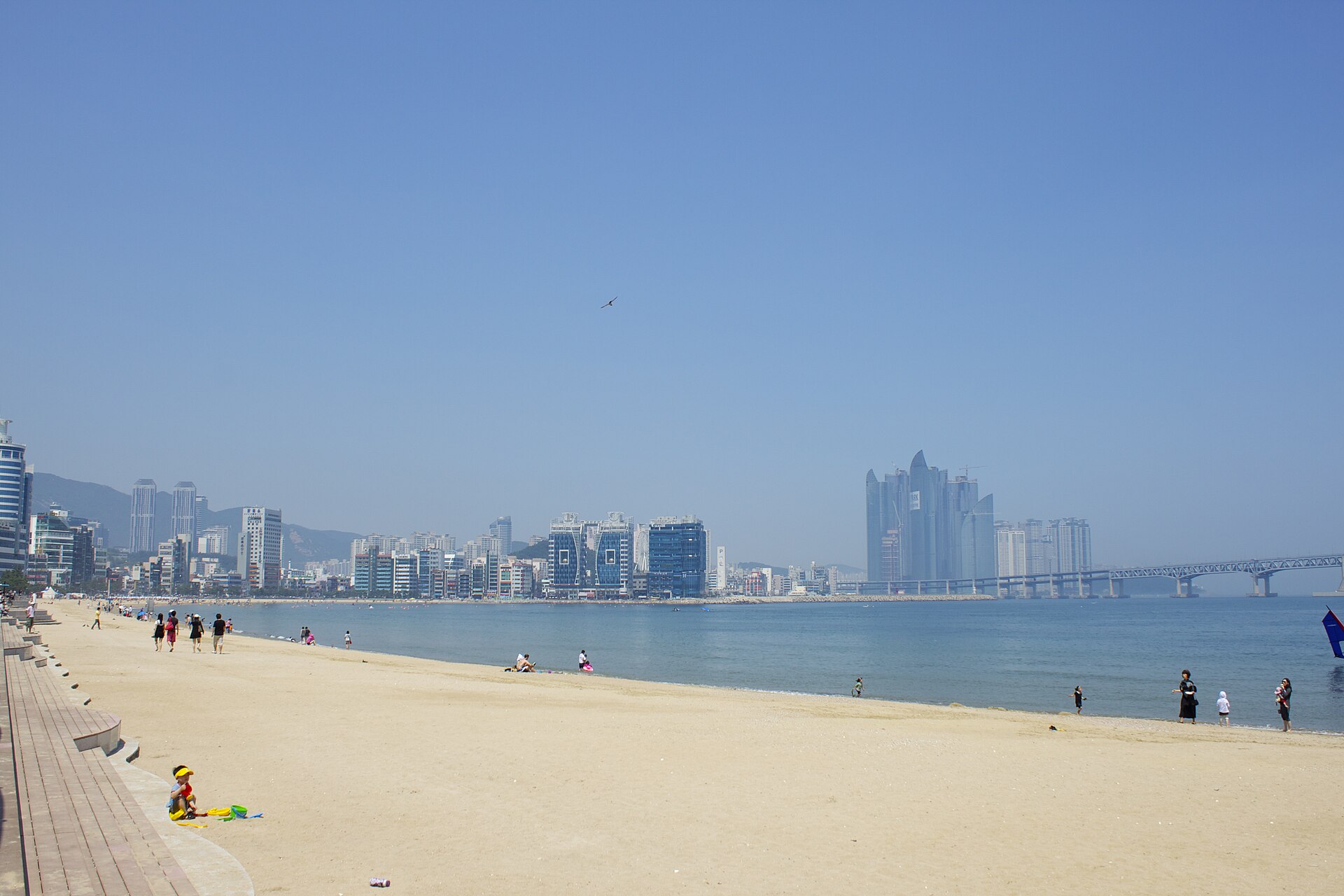
午前は影島(ヨンド)で、海辺のフィンニョウル文化村(흰여울문화마을)と松島(ソンド)スカイウォークまたはロープウェイを楽しみます。夕方は広安里(クァンアンニ/광안리)ビーチでのんびり。ライトアップされた広安大橋を眺められ、週末ならドローンライトショーも楽しめます。ヒント:広安里は最後に回しましょう。橋は日が暮れるとライトアップされ、釜山の旅の締めくくりにぴったりです。
旅のヒント
地下鉄とバスには、チャージ式のT-moneyカードまたはCashbeeカードが便利です。どこでも使えて時間の節約になります。釜山の地下鉄は主要スポットの多くをカバーしていますが、龍宮寺や甘川など一部の場所は短いバスかタクシーが必要です。韓国ではGoogleマップの機能が限られるため、Naver MapやKakaoMapなどの地図アプリをダウンロードしておきましょう。
釜山3日間モデルコース:予算と移動手段
釜山は、韓国の主要都市の中でも旅行者にとって特にコストを抑えやすい街です。中級クラスの1日の予算は1人あたり80,000〜130,000ウォン程度で(2026年時点。最新情報は公式サイトでご確認ください。)、宿泊、食事、交通費を含みます。節約派なら、ポジャンマチャ(屋台)で食べ、海雲台ではなく南浦洞(ナンポドン)や西面(ソミョン)のゲストハウスに泊まることで、1日50,000〜70,000ウォンに抑えられます。海雲台のホテルは、同程度の部屋でも30〜50%高い傾向があります。
移動手段:地下鉄、タクシー、バスの比較
釜山の地下鉄は、このモデルコースの3日間をしっかりカバーしてくれます。1回の乗車は距離により1,500〜1,800ウォンで(2026年時点。最新情報は公式サイトでご確認ください。)、T-moneyカードがあれば駅ごとに切符を買う手間がありません。ソウルと比べると路線網は小さいものの、路線はわかりやすく、2号線(緑)は海雲台方面、1号線(オレンジ)は南浦洞とチャガルチ方面を結びます。タクシーは国際的に見ても安く、市内横断でも15,000ウォンを超えることはほとんどありません。Kakaoタクシーは英語でも使え、韓国の電話番号がなくても配車できます。
- 地下鉄1回乗車:1,500〜1,800ウォン(2026年時点。最新情報は公式サイトでご確認ください。)。T-moneyカードがおすすめです。
- ブルーラインパークのスカイカプセル:1人14,000〜18,000ウォン(時間帯により異なります)。週末は事前にオンライン予約をおすすめします。
- 甘川文化村の入場:入場無料。スタンプマップ(2,000ウォン)は、隠れたアート作品を見つけるのに役立ちます。
- 海東龍宮寺:入場無料。海雲台駅から181番バスが便利で、タクシーより速くて安上がりです。
- 五六島(オリュクト)スカイウォーク(3日目):入場無料。ガラス床エリアでは、現地で用意された使い捨ての靴カバーを着用します。
釜山とソウル:韓国旅行に釜山を加える理由
主な見どころが内陸の都会に集まるソウルと違い、釜山はほぼどのエリアにも海の景色が溶け込んでいます。ペースもぐっとゆったりで、海鮮は新鮮で安く(チャガルチ市場のおばさんが出す刺身の盛り合わせは1人20,000〜35,000ウォンで、ソウルの観光エリアではその倍ほどかかります)、龍宮寺のような寺院も、韓国の祝日を外せば混雑は抑えめです。ソウルの滞在を延ばすか釜山を加えるか迷っているなら、ここでの3日間はまったく違う魅力を味わわせてくれます。海辺の街らしく、ほどよく荒削りで、江南(カンナム)よりずっと飾らない雰囲気です。
よくある質問
拠点選び:海雲台、南浦洞、西面
どこを拠点にするかで、このモデルコースの印象は日々変わります。海雲台は1日目のビーチやブルーラインパークに最も近く、リゾート系ホテルの選択肢も豊富ですが、宿泊費は他のエリアより30〜50%高めで、2日目の旧市街までは地下鉄で30〜40分かかります。南浦洞はチャガルチ市場やBIFF広場のすぐそばで、2日目の市場巡りや釜山タワーへ、ホテルを出てすぐ歩いて行きたい方に向いています。1号線で西面へのアクセスも良好で、甘川へはタクシーで行けます。西面は実用的な中間地点です。1号線と2号線の乗り換えの要所で、海雲台より安く、巨大な地下ショッピング街や深夜まで開く飲食店街があります。ただし、ビーチや目玉の観光スポットはありません。一人旅や短い滞在なら、利便性の高い西面か南浦洞が向いています。ビーチ時間やリゾート設備を重視するカップルやファミリーは、割高でも海雲台を選ぶことが多いです。地元の知恵として、1日目の夜だけ海雲台に泊まり、2〜3日目は南浦洞か西面のゲストハウスに移ることで、海岸へのアクセスを保ちつつ宿泊費を抑える旅行者も多くいます。
どこを拠点にするにせよ、釜山の地下鉄は深夜0時ごろに終わり、夜行バス(路線標識に月のアイコンが付いています)も全市をカバーせず限られた路線のみ運行する点に注意してください。広安里やマリンシティで遅くまで過ごす場合は、ホテルを出る前に終電の時刻を確認し、地下鉄がいつでも使えるとは思わないようにしましょう。
車がなくても主要スポットを回れますか?公共交通機関だけで足りますか?
ほとんどのスポットは公共交通機関で十分です。釜山(プサン)の地下鉄はビーチ、市場、公園をうまく結んでいます。ただし、海東龍宮寺(ヘドンヨングンサ)や甘川文化村(カムチョンムナマウル)など一部の場所は、短いバスかタクシーの利用が必要です。道案内にはNaver MapやKakaoMapをダウンロードし、地下鉄とバスの両方で使えるチャージ式のT-moneyカードを用意しておくとスムーズです。
信仰がなくても海東龍宮寺は訪れる価値がありますか?
はい。宗教的な意味合いよりも、岩場に建つ海辺のドラマチックな景観が魅力のお寺です。混雑を避けるため早めの到着がおすすめで、海雲台(ヘウンデ)からバスで約30分。信仰を問わず楽しめる、景色の見どころです。
甘川文化村を訪れるのにおすすめの時間帯は?
特に決まった時間帯はありませんが、村は急な斜面に広がり階段が多いため、歩きやすい靴で訪れるのがおすすめです。午後に訪れれば、同じ日に龍頭山(ヨンドゥサン)公園の釜山タワーから夕日を眺めることもできます。
広安大橋のライトショーは予定に組み込む価値がありますか?いつ開催されますか?
ドローンライトショーは週末に開催されます。時間に余裕があれば、広安里(クァンアンニ)ビーチは旅の締めくくりに回し、夜にライトアップされた橋を楽しむのがおすすめです。釜山での最後の夜にふさわしい、雰囲気抜群のひとときになります。
3日間の交通費はどのくらい見ておけばよいですか?
チャージ式のT-moneyまたはCashbeeカードがあれば、釜山の地下鉄とバスをお得かつスムーズに利用できます。具体的な料金は変動するため、最新の運賃は現地の交通機関や宿泊先でご確認ください。
釜山3日間の旅行費用は平均でどのくらいですか?
中級クラスの予算は1人1日あたりおよそ80,000〜130,000ウォンです(2026年時点。最新情報は公式サイトでご確認ください。)。ゲストハウスや中級ホテル、1日2〜3回の食事、地下鉄代、ブルーラインパーク・スカイカプセルなどの有料施設の入場料が含まれます。南浦洞(ナンポドン)周辺のホステルに泊まり、市場で食事をする節約派なら、1日50,000〜70,000ウォンで収まります。海雲台の宿泊費は高めなので、1泊だけ海雲台、残りは市街中心部に泊まる方法が定番の節約術です。
釜山は3日間で足りますか?もっと長く滞在すべきですか?
3日間あれば、ビーチ、甘川文化村、チャガルチ市場、海沿いの展望スポットなど釜山の見どころをゆったり巡れます。慶州(キョンジュ、韓国の古都でKTXで約1時間)への日帰りを加えたり、望美(マンミ)や民楽水辺公園(ミルラクウォーターフロントパーク)といった穴場エリアを訪れたい場合は、4〜5日あると余裕があります。3日間なら、寄り道を増やしすぎず、上記のモデルコースに集中するのがおすすめです。
釜山のガイドをもっと読む
🏨 宿泊先選び:このガイドで紹介したスポット近くの釜山のホテルは、Trip.comで比較・予約できます。(アフィリエイトリンク)