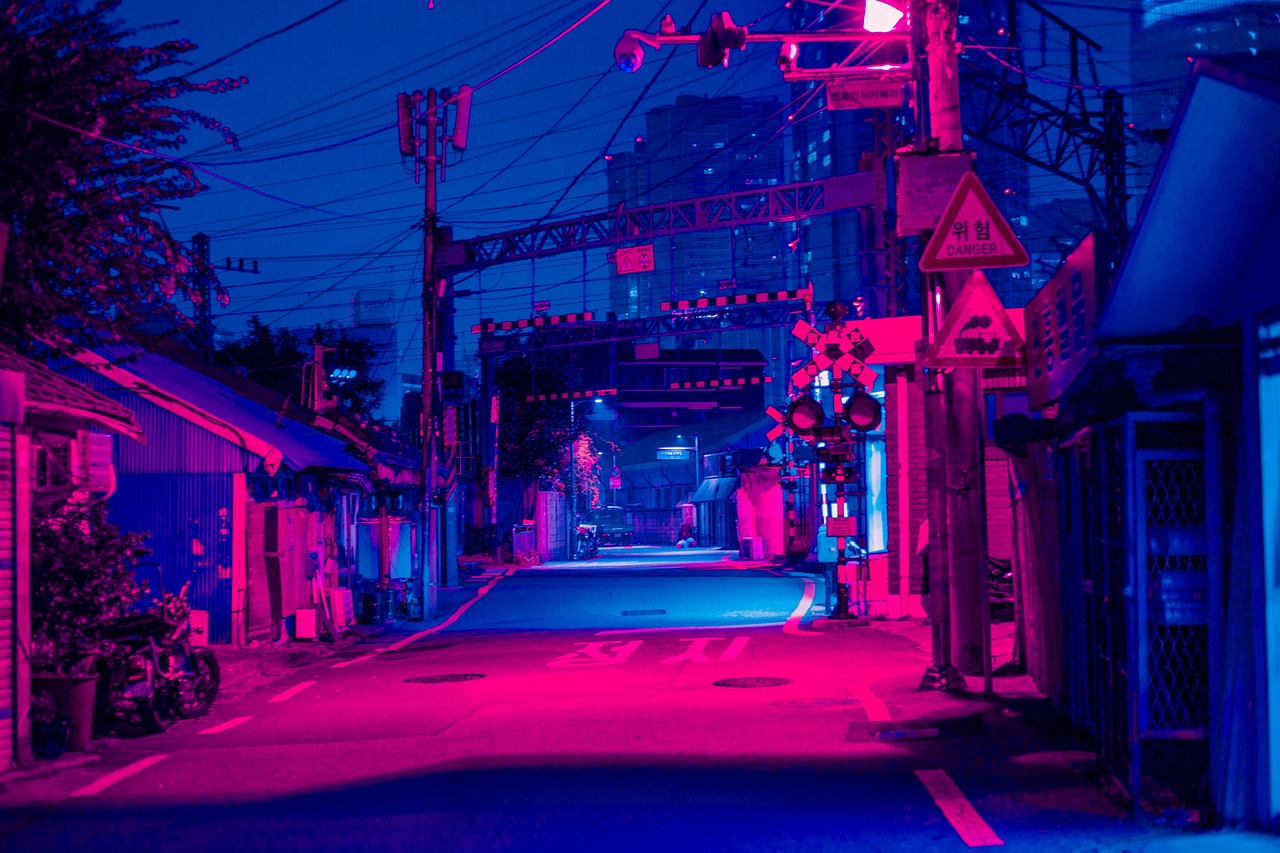
Itaewon occupies a hillside in the Yongsan district, south of the Han River and about 20 minutes from the palace quarter of Jongno by subway. It is Seoul’s most internationally diverse neighbourhood — not in the Instagram-tourist sense, but in the sense that it has functioned as a mixed-culture district for decades, shaped by the proximity of the U.S. military base at Yongsan and subsequent generations of immigrant communities and expat residents who built the infrastructure for international food, international nightlife, and international retail that doesn’t exist in the same concentration anywhere else in the city.
Itaewon’s reputation has been complicated by the crowd crush of October 2022. The neighbourhood’s response — tighter crowd management on narrow streets, permanent police presence at weekend chokepoints, improved emergency access routes — has made the main strip significantly safer to navigate than it was. Weekend evenings in Itaewon are still busy and still dense in the narrower alleys; that hasn’t changed. What has changed is that the narrow Haebangchon and Hamilton Hotel side streets now have formal crowd management on peak nights.
Getting There
Itaewon is directly accessible on Seoul Metro Line 6 at Itaewon Station. Exit 1 deposits you at the eastern end of Itaewon-daero (the main commercial strip); Exit 3 is closer to the Hamilton Hotel area and the start of the most active nightlife section. Journey times:
- From Seoul Station: approximately 15 minutes on Line 4 to Samgakji, transfer to Line 6 one stop. Or Line 6 directly from Yongsan Station area.
- From Gangnam: approximately 20–25 minutes on Line 9 to Dongjak, transfer to Line 4 to Samgakji, then Line 6.
- From Jongno (palace area): approximately 25–30 minutes via Line 3 to Dongguk University, transfer to Line 6.
The Main Strip and Why to Leave It
Itaewon-daero, the main commercial street running east-west through the neighbourhood, is the tourist face of Itaewon: international chain restaurants mixed with Korean souvenir shops, haggling vendors, and dense foot traffic on weekends. It is worth walking end-to-end on a first visit to understand the neighbourhood’s layout, but the best Itaewon is consistently found one or two blocks off this strip.
Gyeongnidan-gil (경리단길), the sloping street that runs south from the main strip near Exit 2, is where Itaewon’s independent restaurant and cafe scene concentrated in the early 2010s. It has matured without losing the independent character: the street climbs the hillside with side lanes branching east and west, each containing a mix of Vietnamese pho shops, natural wine bars, specialty coffee roasters, and Italian restaurants that are genuinely good rather than tourist-calibrated. Walking up the hill and exploring the branches takes about 45 minutes and contains better eating per metre than the main strip.
Haebangchon (해방촌, HBC), northeast of Itaewon Station, was the neighbourhood’s oldest working-class residential district and has gradually added a restaurant and bar scene while retaining some of the original hillside character. It is more local-feeling than Gyeongnidan-gil, with narrower streets and fewer tourists. The hillside position gives good views toward Namsan.
Seoul Central Mosque and the Muslim Quarter
Seoul Central Mosque (서울중앙성원) sits on the hillside above the main strip, reached by a staircase from Itaewon-daero near Exit 3. Built in 1976, it was the first mosque in Korea and remains the largest. The mosque and the streets below it — particularly the area around Usadan-ro 10-gil — form the centre of Seoul’s halal food district. The concentration of halal-certified restaurants, Middle Eastern grocery shops, and South Asian food here is unlike anything else in the city, and it makes Itaewon the only area in Seoul where finding verified halal food is straightforward.
The mosque is open to non-Muslim visitors outside prayer times; shoes must be removed before entering the main hall and modest clothing (covered shoulders and legs) is required for entry. The view from the mosque plaza down over Itaewon-daero and toward the Han River is one of the better elevated perspectives on the neighbourhood. Prayer times vary; visit in the mid-morning or early afternoon on weekdays for the quietest access.
Where to Eat in Itaewon
The strongest case for Itaewon over other Seoul dining districts is the range: no other neighbourhood offers this density of genuinely good international food in a small area.
- Halal food: Concentrated around the mosque and Usadan-ro 10-gil. Multiple kebab and Middle Eastern restaurants, halal Korean BBQ (increasingly available), and South Asian options. The density is high enough to make this the recommended base for Muslim travellers eating in Seoul.
- Brunch: Itaewon has historically had Seoul’s strongest brunch culture, sustained by the longstanding expat resident community. Egg-based weekend brunch menus with quality coffee appear on Gyeongnidan-gil and the immediate side streets. Weekend morning queues at popular spots are real — arrive by 10:30 or expect a wait.
- International range: Indian curry, Mexican tacos, Ethiopian injera, French bistro food, American BBQ, Japanese izakaya — the range is genuine rather than superficial. Budget ₩15,000–35,000 per person at mid-range international restaurants (prices are current as of 2026 and can change, so verify before you visit).
- Bar food: The evening bar scene includes craft beer bars, wine bars, and cocktail bars that are significantly more international in atmosphere than equivalent venues in Gangnam or Hongdae. The corner of Hamilton Hotel and the main strip is the most concentrated section; Gyeongnidan-gil has the better wine and cocktail options.
When to Visit Itaewon
Itaewon rewards visiting at different times of day. For Seoul Central Mosque and the halal food street: late morning on a weekday. For Gyeongnidan-gil restaurant exploration: lunch or early evening. For the main strip energy and bar culture: Friday or Saturday evening (be aware of weekend density in the narrow alleys). For brunch: Sunday morning, arrive early.
The neighbourhood is easiest to combine with Yongsan — the National Museum of Korea is one subway stop east on Line 6 (Yongsan Station area), and a morning at the museum followed by an afternoon and evening in Itaewon makes a coherent day in the southern part of the city. If you’re mapping out a longer stay, the best things to do in Seoul guide is a useful reference for slotting Itaewon into a wider itinerary. For visitors staying in Itaewon or planning around it as a base, the Seoul neighbourhood guide covers how Itaewon compares to other accommodation areas in terms of transit access and daily usability.
Is Itaewon safe to visit in 2026?
Yes. Itaewon is a major tourist and residential district with active safety measures in place following the crowd management improvements implemented after October 2022. The neighbourhood has permanent police presence at weekend chokepoints on the main strip and narrow alleys, improved emergency access routes, and formal crowd control on peak weekend nights. It is a busy, dense neighbourhood on Friday and Saturday evenings — as it has always been — but the crowd management infrastructure is now significantly better than pre-2022. Normal urban awareness applies; the neighbourhood is not unusually dangerous by Seoul standards.
Where is the best halal food in Seoul?
Itaewon is by far the best area for halal food in Seoul. The streets around Seoul Central Mosque — particularly Usadan-ro 10-gil — contain the highest concentration of halal-certified restaurants in the city, including Middle Eastern, South Asian, and halal Korean BBQ options. The mosque is on Line 6 (Itaewon Station), making it accessible from anywhere in Seoul. For other parts of the city, halal options exist but are scattered — Itaewon is the only area where finding verified halal food is straightforward without specific prior research.
What is Gyeongnidan-gil in Itaewon?
Gyeongnidan-gil (경리단길) is a sloping street that runs south from the main Itaewon-daero strip, containing Itaewon’s most concentrated independent restaurant and cafe scene. It developed in the early 2010s as an alternative to the main tourist strip and has maintained its independent character: specialty coffee roasters, natural wine bars, Vietnamese restaurants, Italian trattorias, and brunch cafes are the primary draw. The street climbs a hillside with side lanes branching east and west — walking from the main strip to the top of Gyeongnidan-gil and exploring the branches takes about 45 minutes and contains better eating per metre than the more commercial main strip.
How do I get to Itaewon from central Seoul?
Take Seoul Metro Line 6 to Itaewon Station. Exit 1 is at the eastern end of the main strip; Exit 3 is closest to the Hamilton Hotel area and the main concentration of bars and restaurants. From Seoul Station: take Line 4 one stop to Samgakji, then Line 6 one stop to Itaewon — approximately 10–15 minutes total. From the Jongno palace district: approximately 25–30 minutes via Line 3 to Dongguk University then Line 6. T-money covers all fares.