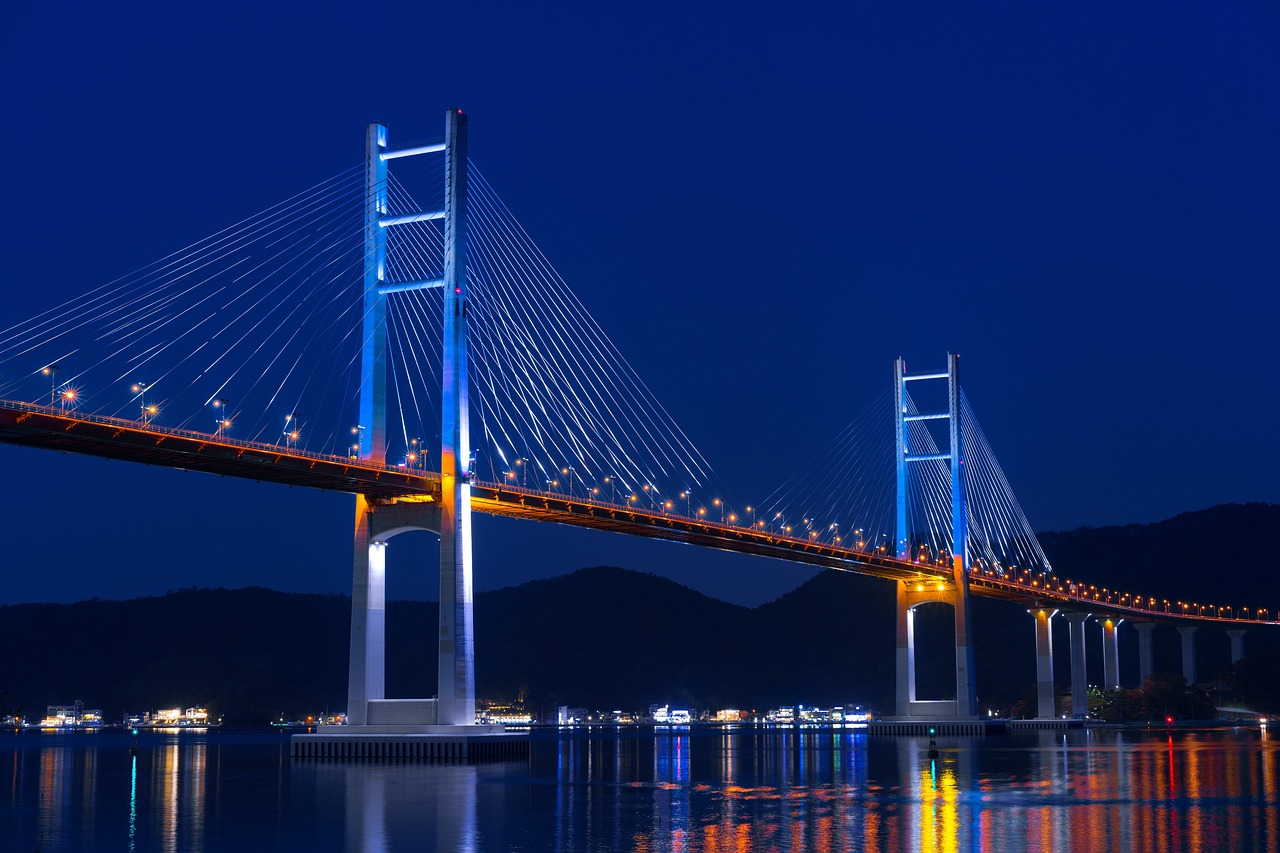
South Korea transforms in December. From the first week of the month through early January, cities across the country light up with some of the most elaborate holiday displays in Asia. Whether you are visiting Seoul for the first time or making a side trip from Busan, planning your evenings around the winter light festivals is one of the best decisions you can make. Here is what to expect, where to go, and how to see it without wasting time or money.
Seoul’s Big Winter Light Events
Seoul runs multiple large-scale illumination events simultaneously throughout December, and the good news is that the most impressive ones are free. The Seoul Christmas Festival at City Hall Plaza (시청광장) is the anchor event — a massive tree installation surrounded by light tunnels and temporary ice skating. Entry to the plaza is free; ice skating costs around ₩1,000 for skate rental plus ₩1,000 entry. It runs from late November through late December most years, so check Seoul’s official tourism calendar before you arrive.
A short walk away, Cheonggyecheon Stream hosts the Seoul Lantern Festival, typically in November, but residual installations often stay through Christmas. The stream runs for 5.8 km through central Seoul and is completely walkable. Late evenings between 6 p.m. and 10 p.m. are the best window — crowds thin out after 9 p.m. on weekdays.
Lotte World Tower in Jamsil lights up its 555-metre facade every night in December, with a synced music show running at set times (usually 8 p.m. and 9 p.m.). This is viewable for free from the Stone Street or from Seokchon Lake, which has its own ring of festive lights around the perimeter. Seokchon Lake is particularly good for photographs — the tower reflection on the water is one of the cleanest winter shots in Seoul.
- Seoul City Hall Plaza: free entry, skating ₩2,000 total
- Cheonggyecheon Stream: free, best between 6–10 p.m.
- Lotte World Tower light show: free from Seokchon Lake
- Everland Theme Park: paid entry (approx. ₩62,000 adult, as of 2026; verify before you go, as prices can change), runs a dedicated “Snow Festival” with full resort illumination
Busan and Beyond: Regional Winter Lights Worth the Trip
Busan does not try to compete with Seoul on scale, but it offers a different atmosphere. The Busan Christmas Tree Culture Festival at BEXCO and Centum City typically features a large outdoor tree display and market stalls selling hotteok (sweet pancakes, ₩1,000–₩2,000) and mulled drinks. Haeundae Beach also sets up a long boulevard of light installations stretching from the main beach entrance toward the hotel strip — genuinely impressive at night with the sea in the background.
For something more immersive, the Garden of Morning Calm (아침고요수목원) in Gapyeong, about 90 minutes from Seoul, runs its “Lighting Festival” from December through March. Tickets are around ₩11,000 for adults. The garden’s terrain — hills, streams, and dense tree cover — makes the lights feel three-dimensional in a way flat city displays cannot. Take the ITX-Cheongchun train from Cheongnyangni to Cheongpyeong Station (about ₩4,800), then a taxi or shuttle to the garden.
Nami Island (남이섬), also in Gapyeong, runs winter light events through January. The ferry crossing at night adds to the atmosphere. Round-trip ferry plus entry costs ₩16,000 for adults. This is a popular day-trip target from Seoul, but the evenings, when most day-trippers have left, are the best time to be there.
Practical Tips: Timing, Crowds, and Staying Warm
Korean winters are genuinely cold. Seoul in December averages around -3°C to 2°C at night, and the wind chill near open plazas and riverbanks makes it feel colder. Bring a mid-layer under your coat and wear waterproof boots — many of the best light walks involve outdoor paths that may have residual ice. Convenience stores (CU, GS25, 7-Eleven) sell hand warmers (핫팩) for around ₩500–₩800; buy a few before you head out.
Weekends in December are packed. The City Hall area and Myeongdong nearby are extremely crowded on Saturday evenings, particularly in the two weeks before Christmas. If you have flexibility, Tuesday through Thursday evenings between 7 p.m. and 9 p.m. offer the same lights with dramatically fewer people. Photos are also much cleaner without crowds.
Christmas Day itself (December 25) is a public holiday in Korea — the only explicitly Christian-origin holiday on the Korean calendar. Most light events run at full operation. Restaurants and cafes are open; department stores hold sales. It is a date night more than a family holiday in Korea, so expect couples everywhere and book dinner reservations at least a few days in advance.
- Hand warmers from any convenience store: ₩500–₩800 each
- Weekday evenings (Tue–Thu): same lights, 60–70% fewer crowds
- December 25 is a public holiday — book dinner in advance
- T-money card covers all subway and bus connections to light festival sites
One-Evening Itinerary for First-Time Visitors in Seoul
If you only have one evening in Seoul during December, this route covers the most ground efficiently. Start at Gwanghwamun Square around 5:30 p.m. to catch the sunset behind the mountains, then walk south to City Hall Plaza for the main Christmas tree. From there, walk 10 minutes to Cheonggyecheon Stream entrance at Cheonggye Plaza and follow the stream east for 20–30 minutes. Exit at Gwangtonggyo Bridge area, grab street food or a meal in the Jongno area, and finish the evening with a view from N Seoul Tower on Namsan if the sky is clear (cable car return ₩16,000, observation deck ₩21,000). The whole circuit takes about four hours at a relaxed pace and combines genuine city life with the festival atmosphere rather than treating it as a theme park experience.