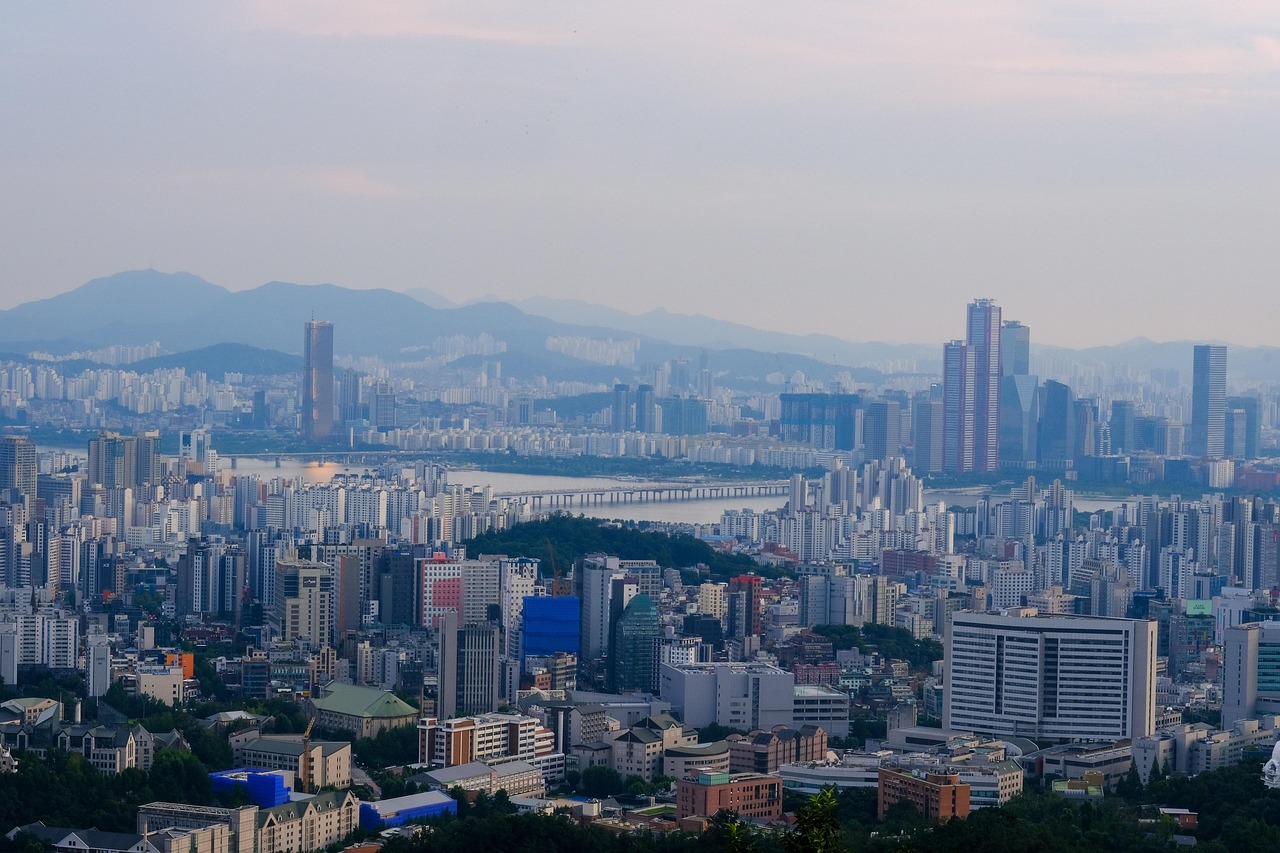
Getting around Seoul on two wheels is one of the most underrated travel experiences in the city. Seoul has invested heavily in cycling infrastructure over the past decade, and the Ttareungi public bike-share system makes it easy for visitors to hop on a bike and explore the Han River parks, riverside trails, and neighbourhood streets without spending much at all.
What Is Ttareungi and How Does It Work?
Ttareungi (따릉이) is Seoul’s public bicycle-sharing service, operated by the Seoul Metropolitan Government. The name loosely translates to “ring ring” — the sound of a bicycle bell. Launched in 2015, the system now has over 2,500 docking stations across the city and tens of thousands of bikes available 24 hours a day, seven days a week.
Renting a Ttareungi bike is straightforward. You can sign up and pay through the official Ttareungi app (available on iOS and Android) or at any kiosk terminal located at each docking station. The app interface has an English option, though the kiosk terminals are primarily in Korean — the app route is strongly recommended for visitors.
Pricing is very affordable. A one-hour single-use pass costs 1,000 KRW. If you plan to ride more than once, a one-day pass (unlimited 1-hour rides) costs 5,000 KRW, and a seven-day pass is 7,000 KRW. To unlock a bike, open the app, scan the QR code on the bike frame, and the lock releases automatically. Return the bike to any docking station in Seoul when you are done — it does not have to be the same station you started from.
You will need to register with a phone number to use the app. Foreign phone numbers work during registration. Payment can be made by international credit or debit card within the app, separate from the transit cards used for the subway and buses.
Best Cycling Routes in Seoul
The Han River (한강) is the centrepiece of Seoul cycling. A continuous riverside path runs along both the north and south banks of the river, stretching roughly 80 kilometres in total. The most popular section for visitors starts at Yeouido Hangang Park (여의도 한강공원), which is easily reached by subway (Yeouinaru Station, Line 5) — if you are new to the system, it helps to first learn how to ride the Seoul subway. From here you can ride west toward Seonyudo Park or east toward Banpo Bridge, passing open lawns, convenience stores, and river views the entire way.
For a more urban cycling experience, the Cheonggyecheon Stream path (청계천) runs about 10.9 kilometres through central Seoul from Cheong gye Plaza near Gwanghwamun to Sindap Station. The path is mostly flat and separated from traffic, passing under dozens of small bridges decorated with seasonal lighting. This route connects you to Dongdaemun Design Plaza (DDP) about halfway through.
Yanghwa-ro Bicycle Road near World Cup Stadium (상암 월드컵경기장) in Mapo-gu is another favourite, especially on weekends when the area around Haneul Park fills with cyclists, joggers, and families. Ttareungi docking stations are clustered at Hapjeong Station (Line 2 and 6) and along the Mapo waterfront, making it easy to pick up and drop off bikes.
Tips for Cycling Safely in Seoul
Seoul traffic can be intense, but the dedicated cycling infrastructure largely keeps riders away from busy roads. Still, a few practical points will keep your ride safe and smooth.
- Helmets are not provided with Ttareungi bikes. If you plan to ride regularly, consider buying a basic helmet at a Decathlon store (there is one in Mapo-gu and another near Seoul Forest) for around 15,000–25,000 KRW.
- Riding on pavements (sidewalks) is technically prohibited in South Korea unless a shared cycling lane is marked — the same shared-space rules matter for walking safely in Korean cities. Stick to bike lanes and riverside paths.
- Ttareungi bikes are single-speed and best suited to flat terrain. For hillier districts like Bukchon or Itaewon, private rental shops near tourist areas offer geared bikes from around 3,000–5,000 KRW per hour.
- Check the docking station availability in the app before heading to a station. During weekend afternoons at Yeouido or Ttukseom, bikes can run out quickly.
- The Han River paths are busiest on Saturday and Sunday mornings. Weekday rides, especially early morning, are far quieter and more pleasant.
Combining Cycling with Seoul’s Hangang Parks
Seoul has 12 official Hangang Parks distributed along the river, each with its own character. Ttukseom Hangang Park (뚝섬 한강공원), accessible from Ttukseom Resort Station on Line 7, is one of the most popular among younger Seoulites and has excellent bike paths, rental shops, and outdoor swimming pools open in summer. Banpo Hangang Park (반포 한강공원) near Express Bus Terminal (Lines 3, 7, 9) is famous for the Banpo Bridge Rainbow Fountain show, which operates on weekend evenings and is a highlight when timed with a sunset ride.
Most Hangang Parks have convenience stores (GS25, CU, or 7-Eleven) where you can buy snacks, bottled water, and ready-to-eat meals. Eating on a mat by the riverside while watching the Han River is a classic Seoul activity. Bring or rent a mat from a nearby vendor for around 3,000–5,000 KRW.
Whether you ride for an hour along the Cheonggyecheon or spend a full afternoon looping the Han River, cycling is one of the best ways to feel how liveable and well-planned Seoul actually is as a city.
Ttareungi vs Private Rental: Which Should You Use?
Ttareungi is not the only way to cycle in Seoul, and knowing when to skip it is just as useful as knowing how to use it. Ttareungi bikes are single-speed, sturdy, and designed for short point-to-point trips between docking stations — they are not built for comfort over long distances or for carrying luggage. If your plan is a quick 20–30 minute ride along the Han River or a hop between subway stations, Ttareungi is the cheaper and more flexible choice, since you never have to think about returning to a rental shop.
For a longer, more relaxed outing — say a half-day loop with stops for photos, food, and rest — a private rental shop is usually the better option. Independent shops cluster near Yeouido, Ttukseom, and Banpo Hangang Parks, typically charging around 3,000–5,000 KRW per hour as of 2026 (verify before visiting, since pricing varies by shop and season). These rentals often include front baskets, multi-speed gears, tandem bikes for couples, and even electric-assist models for around 10,000–15,000 KRW per hour, which is a genuine advantage if you are cycling in summer heat or covering more than 10–15 kilometres in one outing. Ttareungi has no electric-assist option, so anyone wanting e-bike power should go straight to a private shop rather than wasting time hunting for a docking station workaround.
A local tip that rarely appears in official guides: several private rental shops around Ttukseom and Yeouido let you reserve tandem or four-person “family” bikes in advance by messaging their shop KakaoTalk or Instagram account directly, which avoids the weekend queue that forms at the counter after 2pm. This is especially useful if you are travelling with a partner or small children, since Ttareungi bikes are strictly single-rider and cannot legally carry a passenger.
In short: choose Ttareungi for short, spontaneous, budget point-to-point rides, and choose a private rental when you want gears, an electric assist, a child or tandem seat, or a longer half-day route without worrying about the one-hour ride window resetting.