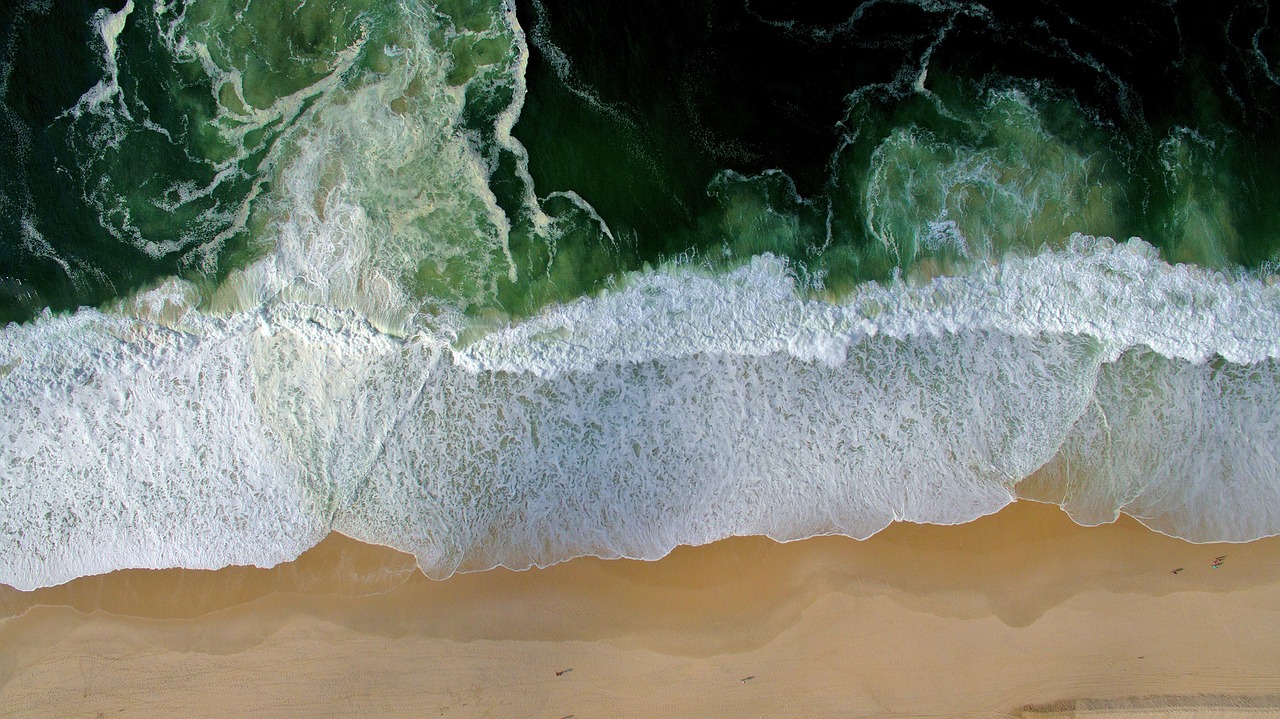
Busan (부산) has two great obsessions: the sea and coffee. Steep hillsides, rocky headlands, and long sandy beaches have all become settings for cafes where the ocean is as much a part of the experience as the latte. A well-chosen ocean view cafe in Busan delivers the kind of slow morning that makes the city feel different from every other place in Korea.
This guide covers the best ocean view cafe districts and zones in Busan, organised by area so you can pair a coffee stop with wherever you are on the coast. It focuses on neighbourhoods and strips rather than specific cafe names, because businesses open and close — but the locations stay excellent.
Why Busan’s Cafe Culture Pairs So Well With the Ocean
Korean cafe culture (카페 문화) already sets a high bar — third-wave roasters, seasonal signature drinks, and interiors designed with the care of a gallery opening. Busan adds a coastal dimension Seoul cannot match. The city is squeezed between mountains and the sea, so cafes on hillsides or headlands naturally look out over water. Over the past decade, destination cafes appeared all along the coastline from Dadaep-o (다대포) in the south-west to Gijang (기장) in the north-east — roughly 40 km of cliff-top, beachfront, and rocky-cove settings.
Cheongsa-po (청사포): Rocky Coves and Pastel Light
Cheongsa-po is a small fishing village just east of Haeundae (해운대) where the coastline turns rocky and the pace drops to almost nothing. The village has attracted a cluster of cafes that occupy converted buildings and new structures right on the waterfront, with unobstructed views of the open East Sea (동해).
The appeal here is texture rather than scale — volcanic rock formations, the twin red-and-white lighthouses that are Cheongsa-po’s most photographed landmarks, and fishing boats bobbing in the small harbour. Light at sunrise and late afternoon turns everything amber. Cafes in this zone tend to be compact and design-forward: single-origin pour-overs, handmade ceramics, seating arranged to face the water. The Blueline Park (블루라인파크) sky capsule terminates nearby, making a Cheongsa-po cafe stop a natural companion. Read our Haeundae beach guide for the wider neighbourhood.
What to Enjoy Here
The twin lighthouses are the signature photo backdrop — a long lens framing them against a blue sea is the standard shot. Many cafes face west and benefit from dramatic afternoon light. Signature drinks tend to be citrus or sea-salt forward, playing on the maritime setting.
Songjeong (송정): Surfer Coast Cafes
Songjeong Beach (송정해수욕장) sits at the northern edge of the Haeundae district — lower-key, slightly retro, and shaped by surf culture. The wave consistency attracts surfers year-round, and the cafe zone reflects that laid-back energy. Wide terraces face white sand and open horizon. Because Songjeong is less visited than Haeundae, cafes here feel uncrowded even on weekends. Our Songjeong beach and surfing guide covers the beach in detail.
What to Enjoy Here
Watch surfers from the terrace — this is the photo opportunity unique to Songjeong, and it photographs well in the early morning when the light is low and the sea glitters. Signature drinks in this neighbourhood lean towards iced matcha and cold-brew variations that suit the surf-town vibe.
Dalmaji Hill (달맞이길) and Moontan Road: Elevated Sea Views
Dalmaji Hill (달맞이고개, literally “Moon-greeting Ridge”) is the forested ridge separating Haeundae from Cheongsa-po. Moontan Road (문탠로드) runs along its seaward flank, and cafes here look down over a long curve of coastline rather than across a flat beach — an elevated perspective that changes the whole feel. Cherry blossoms in spring and autumn foliage add seasonal drama. Multi-level terraces are common. Our Dalmaji Hill and Moontan Road guide includes a full walking route.
What to Enjoy Here
The best photo here is a wide shot from an upper terrace that shows the hillside trees framing the sea below — it captures something genuinely different from the ground-level beach cafes elsewhere. Dessert cafes are well-represented on Moontan Road; traditional Korean desserts alongside Western pastries is a common offering.
Huinnyeoul Culture Village (흰여울문화마을), Yeongdo: Cliffside Drama
Huinnyeoul (흰여울) sits on the steep southern flank of Yeongdo Island (영도), a hillside village of narrow lanes built literally on a cliff above the Korea Strait (대한해협). You look out across open water with container ships on the shipping lane below — arguably Busan’s most dramatic ocean perspective. Cafes here are small by necessity, converted from tight residential plots, but what they lack in scale they make up in drama. The Huinnyeoul Culture Village guide covers the walking route and best entry points.
What to Enjoy Here
Frame shots from the cafe windows facing south — the combination of the narrow lane, white-painted walls, and blue sea creates the most-shared image from this neighbourhood. The best seats are typically on mini-terraces that cantilever slightly over the cliff edge. Handmade local art is often displayed and available to purchase.
Gwangalli (광안리) Beachfront: Urban Ocean Views
Gwangalli Beach (광안리해수욕장) offers Busan’s most urban ocean view. The Gwangan Bridge (광안대교) — a double-deck suspension bridge — dominates the horizon and becomes the city’s most illuminated structure after dark. Cafes along the beachfront face the bridge directly; the strip is dense, competition is fierce, and quality trends high because of it. For night visits, a table facing the bridge is the goal. The Gwangalli beach and Gwangan Bridge guide covers the full area.
What to Enjoy Here
Night visits are as worthwhile as morning ones because of the bridge illumination. Signature drinks in Gwangalli cafes trend towards Instagram-ready layered drinks — the colourful cup against the bridge backdrop is a recurring theme. Rooftop seating books out quickly on weekend evenings.
Dadaep-o (다대포) and the South-West Coast: Sunset Cafes
Dadaep-o (다대포) sits at Busan’s south-western tip where the Nakdong River estuary meets the sea. It is further from the tourist centre and faces west — meaning cafes here have some of the best sunset positions in the city. The area is more neighbourhood-local than destination-tourist; the reward is a genuinely uncrowded experience. Come in the late afternoon and wait for the sky to change colour over the water.
Gijang (기장): Northern Coastline Escapes
Gijang County (기장군) is the northern coastal district of Busan, known for seafood markets and Haedong Yonggungsa Temple (해동용궁사). It has also developed a string of larger-format destination cafes along its rocky shoreline — spacious, architecturally ambitious operations on headlands with dedicated parking. Glass walls, raw concrete, and dramatic sea views are the hallmarks. Combine with a temple visit or a walk along the Gijang coast for a half-day itinerary.
Practical Tips for Visiting Busan Ocean View Cafes
Best Times to Visit
Weekday mornings before noon give the best combination of good light and thin crowds. Weekend afternoons — particularly Saturday 1–4 pm — are peak hours at popular spots. Summer weekends in July and August are genuinely crowded; go early or accept a wait. Autumn (September–November) is arguably the best season: comfortable temperatures, blue sea, and post-summer crowds. Spring cherry blossom season is spectacular on Dalmaji Hill but busy.
Getting There and Parking
Busan’s subway and bus network (부산 대중교통) covers all the main coastal areas. Cheongsa-po, Songjeong, and Gwangalli are within walking distance of subway stops. Dalmaji Hill and Huinnyeoul need a short taxi or bus connection from the nearest station. Driving is possible but weekend parking near popular cafe zones is difficult and expensive. Gijang’s larger destination cafes typically have dedicated lots. For village areas like Huinnyeoul or Cheongsa-po, arrive before 10 am if driving.
Minimum Spend and Reservations
Most Korean cafes expect one drink per person rather than a time limit. Reservations are rarely required, but popular Gwangalli rooftop spots may run a QR-code waitlist on busy evenings — check Naver (네이버) or Instagram before visiting. Prices are consistent across the city: espresso drinks ₩5,000–₩7,000, signature lattes and seasonal specials ₩7,000–₩10,000. Scenic destination cafes occasionally add a small premium.
FAQ
Where are the best ocean view cafes in Busan?
The best ocean view cafe zones in Busan include Cheongsa-po (청사포) for rocky-cove views, Songjeong (송정) for beach-and-surfer scenery, Dalmaji Hill (달맞이길) for elevated sea panoramas, Huinnyeoul (흰여울) on Yeongdo for cliffside drama, Gwangalli (광안리) for bridge-lit night views, and Gijang (기장) for spacious headland destination cafes.
What is the best time of day to visit ocean view cafes in Busan?
Weekday mornings before noon offer the best light and thinnest crowds. Gwangalli cafes are also excellent after dark when the Gwangan Bridge (광안대교) illumination reflects across the water. Sunset timing works well for Dadaep-o (다대포), which faces west. Avoid weekend afternoons in July and August when popular spots can have significant wait times.
How do I get to Cheongsa-po and Songjeong by public transport?
Cheongsa-po (청사포) and Songjeong (송정) are both reachable on Busan subway Line 2. Get off at Cheongsa-po Station (청사포역) or Songjeong Station (송정역) respectively and walk to the waterfront in about 5–10 minutes. Cheongsa-po is also a stop on the Blueline Park (블루라인파크) coastal rail, which adds a scenic ride to the journey.
Do Busan cafes require reservations?
Most cafes in Busan do not take reservations for standard seating. Rooftop or terrace spots at Gwangalli may operate a QR waitlist on busy weekend evenings. Check the cafe’s Naver (네이버) page or Instagram before visiting as policies vary by season and venue. Arriving on a weekday or before noon on weekends generally means you can walk in without waiting.
Which Busan ocean view cafe area is best for photography?
Each zone has a signature shot: the twin lighthouses at Cheongsa-po (청사포), surfers in the waves at Songjeong (송정), the cliffside alley-and-sea frame at Huinnyeoul (흰여울), the elevated coastline sweep from Dalmaji Hill (달맞이길), and the Gwangan Bridge (광안대교) reflection at night from Gwangalli (광안리). For versatility, Dalmaji Hill gives the widest range of compositions including cherry blossoms in spring.