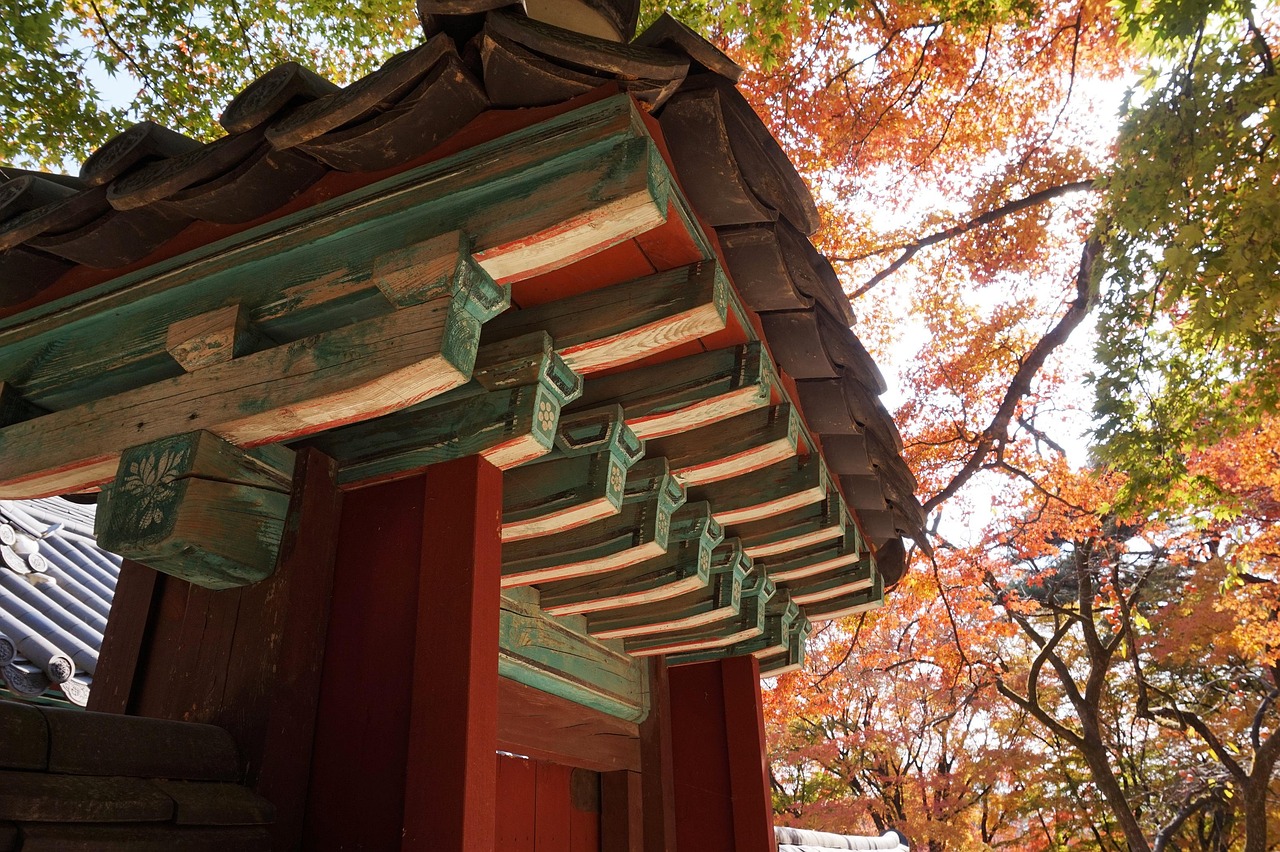
Korean Buddhist temples are peaceful places to visit, but they are not just scenic attractions. They are active religious spaces where monks, temple staff, worshippers, and templestay participants may be praying, meditating, eating, or resting. Visitors are welcome at many temples, but respectful behavior matters.
This guide explains how to visit a Korean temple without feeling unsure at the gate, shrine hall, or templestay check-in.
Quick Answer
Dress modestly, speak quietly, remove shoes before entering shrine halls, avoid touching statues or ritual objects, ask before photographing people or interiors, follow signs, and remember that temple grounds are religious spaces, not photo studios.
Before You Enter
Many Korean temples are open to visitors during the day, especially famous temples in Seoul, Busan, Gyeongju, and mountain areas. Some buildings or ceremonies may be restricted.
Before entering:
- lower your voice
- check signs
- keep children close
- silence phone alerts
- avoid smoking
- avoid drinking alcohol on temple grounds
- stay out of monk-only or staff-only areas
Temple grounds may include courtyards, gates, halls, pagodas, bells, living quarters, offices, and forest paths. Not every area is for visitors.
Shoes and Shrine Halls
Remove shoes before entering shrine halls or any raised wooden hall where shoes are not allowed. Look for shoe shelves, other shoes, or signs.
Do not step onto clean wooden floors with outdoor shoes. If you make a mistake, step back, remove shoes, and apologize quietly.
Inside halls:
- move slowly
- keep phones away
- do not stand in front of worshippers
- do not touch statues, candles, cushions, or ritual objects
- sit or stand where visitors are allowed
If you do not know what to do, observe quietly from the back.
Bowing and Prayer Spaces
Visitors are not required to perform Buddhist bows, but a respectful nod is appropriate when entering or leaving a hall.
If you participate in a templestay or guided program, staff will explain bowing, sitting, chanting, and meditation posture. Follow their instructions rather than copying random visitors.
Avoid pointing your feet directly toward Buddha statues or altars when sitting. Sit to the side if you are unsure.
Photography Rules
Temple exteriors, gates, lanterns, and courtyards are often photographed, but interiors and ceremonies require more care.
Photography etiquette:
- ask before photographing monks
- avoid photographing people praying
- follow no-photo signs
- do not use flash inside halls
- do not stage loud photo shoots
- avoid drones unless explicitly permitted
Some temples allow casual outdoor photos but restrict shrine interiors. Respect the difference.
Clothing and Behavior
Modest, comfortable clothing is best. You do not need formal clothes, but avoid outfits that feel beach-like or club-like.
Good choices:
- covered shoulders
- comfortable walking shoes
- quiet layers
- socks without holes
- weather-appropriate clothing
Avoid loud behavior, roughhousing, climbing on stone features, or treating prayer objects as props.
Templestay Etiquette
Templestay programs let visitors experience temple life through meditation, tea, meals, chanting, walking, or rest. They are usually structured, and schedules may start early.
Templestay tips:
- arrive on time
- read program rules before booking
- tell staff about dietary or health needs early
- follow clothing instructions
- keep shared sleeping spaces quiet
- do not skip required sessions without telling staff
- ask before leaving the grounds
Templestay is not a hotel. It is a cultural and religious program.
Temple Food
Temple meals are usually simple, plant-based, and prepared with care. Waste is discouraged.
If you join a meal:
- take only what you can finish
- receive food politely
- eat quietly if instructed
- return bowls as directed
- do not bring meat or alcohol into temple dining spaces
If you have allergies, contact the program before booking.
FAQ
Common Mistakes Visitors Make at Korean Temples
Unlike visiting a church or mosque in many Western countries — where someone usually greets you at the door and explains expectations — Korean Buddhist temples rarely have staff positioned at the entrance to guide tourists. This means most etiquette mistakes happen simply because visitors do not know what to look for. Being aware of the most common errors will help you move through the grounds with confidence.
- Entering shrine halls with shoes on. This is the most frequent mistake. Look for a wooden step or a shoe rack outside any hall entrance — these are clear signals to remove footwear before stepping inside. Socks are fine; bare feet are also acceptable.
- Photographing worshippers or monks without permission. Temples are not outdoor museums. If a monk is walking through the courtyard or a worshipper is bowing inside a hall, pointing a camera at them is considered intrusive. Scenic architecture and pagodas are generally fine to photograph; people in prayer are not.
- Talking loudly in courtyards and near halls. Sound carries easily in temple grounds. Many visitors arrive in groups and naturally fall into casual conversation. Keeping voices low — even outside — shows awareness that others may be meditating or resting nearby.
- Wearing sleeveless tops or very short clothing. Some temples, particularly those with active templestay programs, will ask visitors dressed too casually to cover up or may turn them away from inner halls. A light layer in a bag solves this quickly.
- Touching statues, bells, or ritual objects. Gilded Buddha statues, wooden moktak (percussion blocks), and incense burners are objects of veneration in active use — not decorative props. Treat them the same way you would treat an altar in any active house of worship.
A small effort goes a long way. Temple staff and monks who encounter respectful visitors are often genuinely happy to have tourists present and will sometimes explain what a ceremony or ritual object is, especially if you show curiosity rather than just aiming a phone at it.
Can tourists enter Korean temples?
Many temples welcome visitors, but some areas may be restricted. Follow signs and staff instructions.
Do I have to bow?
No. A small respectful nod is fine unless you join a program that teaches specific bows.
Can I take photos at temples?
Outdoor photos are often fine, but ask before photographing monks, worshippers, ceremonies, or shrine interiors.
What should I wear to a temple in Korea?
Wear modest, comfortable clothing and shoes that are easy to remove.
Can I bow at a Korean Buddhist temple even if I am not Buddhist?
Yes. Bowing at a Korean temple is a gesture of respect, not a declaration of religious belief. A simple standing bow with hands together (hapjang) is appropriate when entering a hall or passing a monk. You are not required to perform the full 108-bows prostration practice unless you are participating in a templestay program that includes it.
Is there a dress code for visiting Korean temples, and will I be turned away for wearing the wrong thing?
There is no single enforced dress code across all Korean temples, but modest clothing is strongly expected — covered shoulders and knees are the general standard. At major templestay centers and UNESCO-listed temples such as Tongdosa or Haeinsa, visitors in sleeveless tops or very short shorts may be asked to cover up before entering inner shrine halls. Carrying a light jacket or scarf as a cover-up is a practical solution year-round.