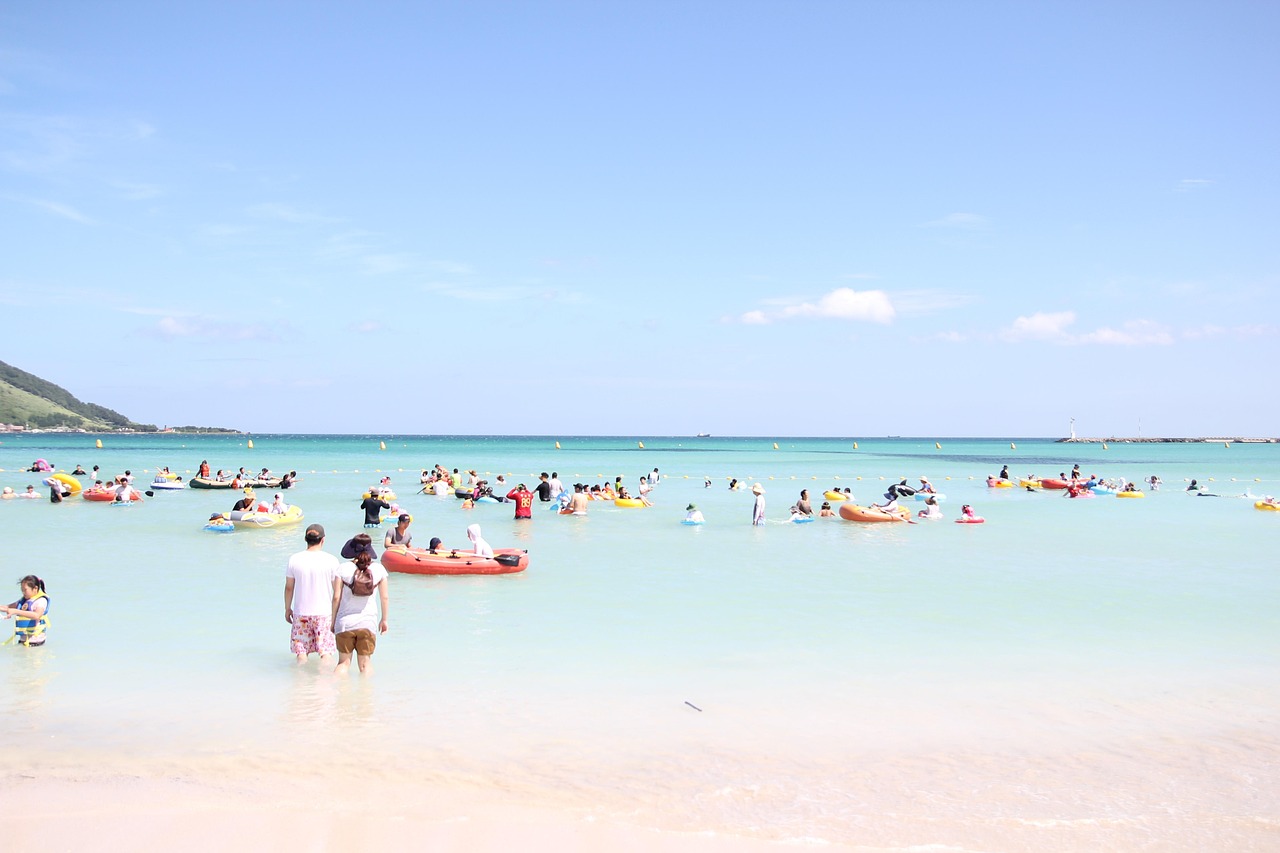
Somewhere on Daecheon Beach a stranger will fling a handful of grey mud at you, you’ll fling it right back, and by the time you’ve both rinsed off in the sea you’ll be trading Instagram handles like old friends. That’s the Boryeong Mud Festival in a nutshell — Korea’s loudest, messiest, least self-serious festival, and the one expats and first-time visitors consistently name as the most fun they’ve had in the country.
What the Boryeong Mud Festival Actually Is
The festival started in the 1990s as a marketing push for mineral-rich mud harvested from the tidal flats near Boryeong, the same mud that local cosmetics brands use in skincare products. City officials figured the best way to sell mud was to let people play in it, and the plan worked rather too well — what began as a regional promotion now pulls in hundreds of thousands of visitors, foreign and Korean alike, every summer.
Unlike festivals that require booking tickets months out or navigating a Korean-only website, Boryeong needs almost no preparation. You don’t need language skills — the entire point is throwing mud at strangers, which translates fine in every language. Inside the main experience zone you’ll find mud pools, mud slides, an inflatable obstacle course, a mud jail-style photo booth, oil-drum slides, and a wrestling ring where staff periodically dump in fresh mud for organised bouts. It’s part spa marketing, part water park, part all-ages foam party — minus the foam.
2026 Dates and Hours — What’s New This Year
The 29th Boryeong Mud Festival runs July 24 to August 9, 2026 — 17 days — on Daecheon Beach in Boryeong, Chungcheongnam-do, roughly two and a half hours southwest of Seoul. The main experience zone, the Boryeong Mud Expo Plaza, keeps shorter hours on weekdays (13:00–18:00) than weekends (10:00–18:00), with a break from 13:30 to 14:30 on both — worth knowing if you’re planning a single day trip around the mud pools.
Two nights get extended hours until 21:30: July 24, opening night, and August 6 — both good targets if you want mud plus evening entertainment without an early start. One date to plan around rather than for: August 5, when the experience zone closes entirely for a scheduled safety inspection. None of this is guaranteed to hold exactly as announced this far out — dates and hours can shift, so confirm the current schedule on mudfestival.or.kr before booking transport or accommodation.
Zones — What’s Free and What You Need to Book
Daecheon Beach itself is open and free year-round; you don’t need a ticket to walk the sand, swim, or watch the fireworks and concerts that run on the beach fringe during the festival. What you do need to pay for is entry to the Boryeong Mud Expo Plaza, the fenced, organised zone with the actual mud pools, slides and games. Tickets are sold through mudfestival.or.kr and typically at on-site gates as well; exact 2026 pricing is published closer to the event, so treat any figure you see online as unconfirmed — verify current pricing on the official site before you travel.
Who this suits: families with younger children, or travellers on a tight budget, often do fine sticking to the free beach zone — you still get the atmosphere, the crowds, the food stalls and the evening shows without paying for entry. If you actually want to get in the mud, though, the Expo Plaza is non-negotiable — that’s where the pools and slides live, and it’s the part everyone’s photos actually come from.
What to Wear and Bring — Local Tips
Wear clothes you’re fully prepared to throw away. The mud is genuinely difficult to get out of fabric, and a lot of visitors go in wearing an old dark T-shirt and swim shorts specifically because they know it’s a one-way trip for that outfit. A few things worth packing that aren’t obvious from the official site:
- An old swimsuit or dark-coloured clothing you don’t mind staining
- Sandals or water shoes with a back strap — flip-flops get sucked off in the deeper pools and most people never find them again
- A dedicated waterproof phone pouch, not just a plastic bag — mud is abrasive on cheap seals
- A full change of clothes, a large towel, and a plastic bag to carry your ruined outfit home in
- Cash or a card you don’t mind getting muddy, since lockers and bags tend to stay behind
- Sunscreen and a hat — the beach offers little shade, and Korea’s July–August combination of sun and humidity is more draining than it looks
For a broader packing list beyond mud-specific gear, see our seasonal packing list — and if you’re not used to Korean summers, our guide to Korea’s summer heat and humidity is worth a read before you plan a full day outdoors on the sand.
Rinse-off showers are available near the beach, but they get crowded fast during peak hours, so budget extra time before you need to be anywhere else. Leave your passport and any valuables you’re precious about back at your accommodation rather than carrying them into the mud zone — our guide to keeping valuables safe in Korea covers securing cash, cards and documents while you’re out and about.
Getting to Daecheon Beach from Seoul
The fastest option is the train: KTX or Saemaeul services run from Yongsan Station to Daecheon Station in roughly two hours 15 minutes to two hours 40 minutes depending on the service, with fares varying by train type — check current times and prices on Korail’s site before booking, since seats get tighter during the festival window. Our KTX guide for first-timers covers how to book and what to expect if this is your first Korean train journey. From Daecheon Station it’s about a 10-minute bus or taxi ride to the beach itself.
Intercity buses also run directly from Seoul’s Central City Terminal, a reasonable option if you’d rather skip the transfer at Daecheon Station, though journey times run longer than the train — our intercity bus guide has the practical details on booking and terminals. If you’re flying in from abroad, you’ll need to get into Seoul first before heading south, so budget a full travel day if you’re combining an international arrival with a same-day festival run.
Where to Stay — Daecheon Beach vs a Day Trip from Seoul
Staying overnight in Boryeong suits anyone who wants the full experience: the evening concerts, the two extended-hours nights, and enough time to actually enjoy rinsing off and drying out before doing anything else. Pensions and motels near the beach fill up fast once festival dates are confirmed, so book as early as you can once your dates are fixed — availability, not price, is usually the limiting factor on peak weekends.
A day trip from Seoul works for travellers short on time or budget: catch an early KTX down, spend the afternoon in the mud, rinse off, and take a late train back. The trade-off is real — you’ll likely miss the night extensions and evening entertainment, and you’re racing the last train home while still slightly muddy. If your trip already includes a few days in Seoul, treat Boryeong as a one- or two-day detour rather than trying to squeeze it into a rushed half-day round trip.
Is the mud actually clean and safe to play in?
The festival uses mud sourced and processed specifically for the event from Boryeong’s mineral-rich tidal flats, the same source used in local cosmetics production, and organisers refresh and manage it throughout the festival. As with any outdoor event, anyone with open cuts or sensitive skin should use judgement, and rinse-off stations are available throughout the zone.
Do I need to speak Korean to enjoy the festival?
No. Almost nothing about the mud zone requires language — you queue, pay, and get muddy alongside Koreans and travellers from dozens of countries. Signage around ticketing and hours is generally available in English, though as with most Korean festivals, don’t expect deep English support at every food stall.
Is the festival suitable for kids and families?
Yes, with caveats. The free beach areas and general festival atmosphere work well for families, and some pools are shallow enough for children. The wrestling ring and busier slides skew toward teens and adults. Bring a full change of clothes for kids too, and keep an eye on them in the more crowded pools during weekend peak hours.
What happens if it rains, or if I visit on August 5?
Rain doesn’t usually stop the festival — mud and rain go together, honestly. August 5, however, is scheduled as a full closure of the experience zone for a safety inspection, so if that’s your only available date, plan around it and enjoy the free beach and evening events instead, or shift your dates if possible. Confirm any last-minute changes on mudfestival.or.kr before travelling, as dates can shift.
How much does it cost to get into the mud zone?
Pricing for the Boryeong Mud Expo Plaza is published by organisers closer to the festival dates and can change year to year, so check mudfestival.or.kr directly for current 2026 ticket prices before you travel as of 2026 — don’t rely on older figures you might see elsewhere online.