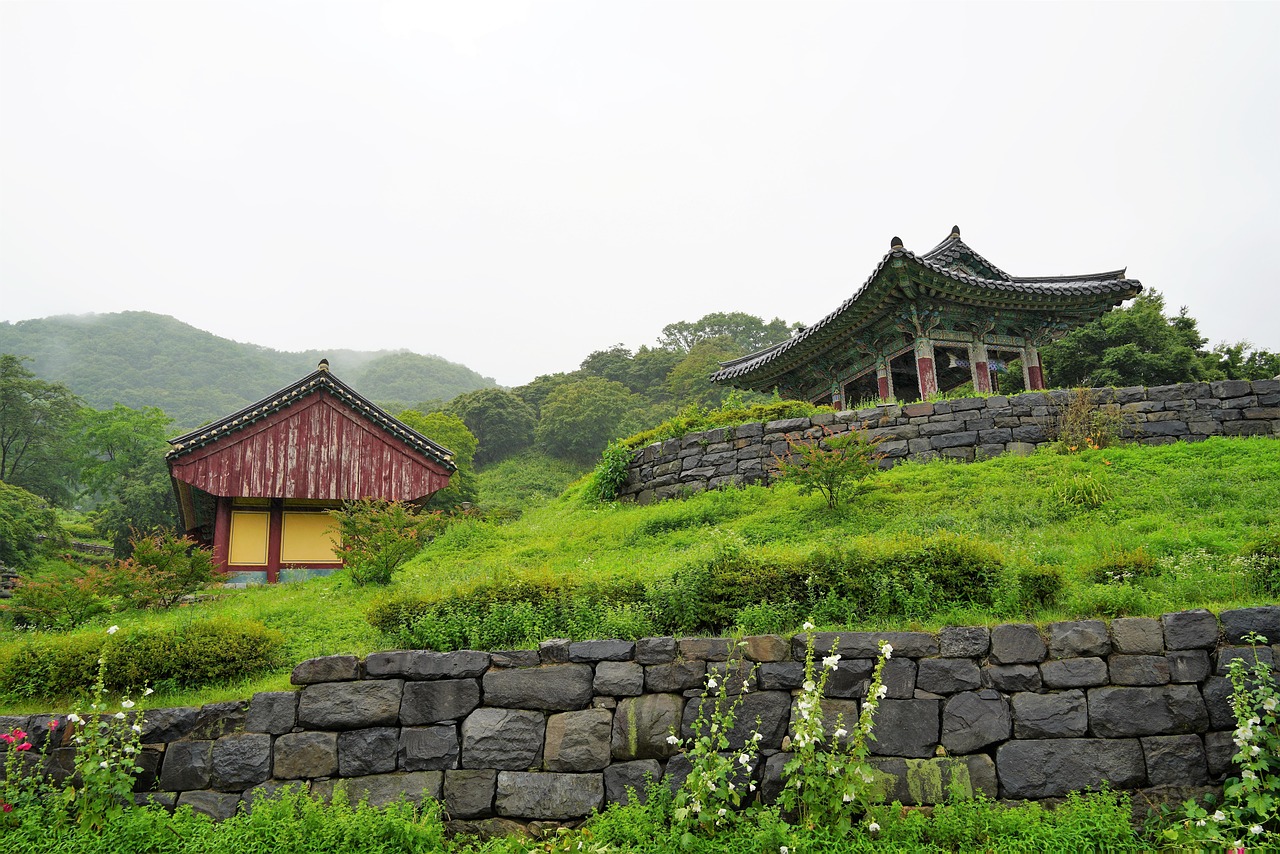
Korea’s summer runs hot and wet in a way that catches most foreign visitors off guard. From late June through August, temperatures in Seoul and Busan regularly sit between 30°C and 36°C (86–97°F), and the humidity climbs so high that the air itself feels like a warm, damp towel pressed against your face. If you are planning a trip between late June and mid-August, understanding how Korean summer actually works — not just the numbers on a weather app — will make the difference between a miserable week and a genuinely enjoyable one.
What Korean Summer Heat Actually Feels Like
The Korean peninsula sits in the path of the East Asian monsoon. The jangma (장마), or rainy season, typically arrives in late June and lasts three to four weeks. During this period, humidity regularly tops 80–90%, and afternoon temperatures hold at 30°C or above even after heavy rain. Once the monsoon ends in late July, the real heat begins: dry, intense sun during the day, then thick, warm air that barely cools after sunset. Seoul’s urban heat island effect means the city stays noticeably warmer than the surrounding countryside, sometimes 3–5°C hotter at night.
Busan, on the south coast, benefits from sea breezes that soften the worst of the heat, but its higher base humidity means sweat does not evaporate the way it would in a drier climate. Gyeongju and Daegu are widely regarded as the hottest cities in Korea — Daegu in particular can breach 38°C in late July. If your itinerary includes Daegu in peak summer, plan all outdoor sightseeing before 10 a.m. or after 6 p.m.
How Koreans Cope — and What Tourists Can Steal From Them
Koreans are expert summer navigators. Walk through any major city on a July afternoon and you will notice that almost nobody is standing in direct sun if they can avoid it. The underground shopping arcades beneath Seoul’s major intersections — Gangnam, Euljiro, Hongdae — are not just shopping destinations; they are functional cooling infrastructure. Air conditioning in Korean public spaces is aggressive by Western standards, so carrying a light cardigan or thin long-sleeved layer for the subway and indoor spaces is genuinely useful even in 35°C heat outside.
A few practical habits worth adopting:
- Buy a hand fan or a small battery-powered USB fan at any convenience store (CU, GS25, 7-Eleven) for around ₩3,000–₩8,000. They work surprisingly well.
- Hydrate with iced barley tea (boricha, 보리차) rather than cold water — Korean convenience stores stock it for ₩1,000–₩1,500 and it replaces electrolytes better than plain water.
- Time temple and palace visits for the first hour after opening (usually 9 a.m.) before the heat builds. Gyeongbokgung and Changdeokgung are significantly more pleasant before 10:30 a.m. in August.
- Korean pharmacies (약국) sell cooling patches (열 패치) for around ₩2,000–₩3,000 that you apply to the back of the neck — a local staple during heat waves.
- Seek out samgyetang (삼계탕, ginseng chicken soup) for lunch. Koreans eat this hot dish in summer on purpose — the concept of iyeol chiyeol (이열치열, “fight heat with heat”) is real and the dish genuinely restores energy lost to sweating.
Where to Go When the Heat Peaks
Smart summer travel in Korea means building your itinerary around the heat rather than fighting it. Coastal destinations become far more livable in August than inland cities. Haeundae Beach in Busan draws enormous crowds during beach season — entry is free and the sea temperature sits around 25–27°C — but if you want a quieter beach experience, Dadaepo Beach on Busan’s west side or the beaches near Yangyang in Gangwon Province offer more room to breathe.
The mountains are the other sensible answer. Temperatures at Seoraksan or along the Jirisan ridge run 5–8°C cooler than Seoul on hot August afternoons. Most national park trailheads are accessible by intercity bus from Seoul or Busan for ₩15,000–₩30,000 one way, and the mountain huts (sanjangjang) serve cold makgeolli (rice wine) that tastes extraordinary after a climb in the heat.
For city-based travelers, Korea’s jjimjilbang (찜질방, Korean sauna) culture offers a paradoxical but effective summer refuge. Chains like Siloam in Seoul or Spaland in Busan (entry ₩13,000–₩20,000; prices are current as of 2026 and can change, so verify before you visit) keep cooling rooms at 15–18°C and the ice rooms even lower. An hour of cycling between heat rooms and cooling rooms resets the body in a way that simply staying in air conditioning does not.
Packing and Logistics for Korean Summer
Korean summers demand a slightly different packing strategy than most tropical destinations. The combination of intense outdoor heat, aggressive indoor air conditioning, frequent rain, and high humidity means your bag needs to cover a wider temperature range than you might expect.
- Lightweight moisture-wicking fabrics are essential — cotton stays wet against skin; synthetics or linen dry faster and feel less suffocating in humid air.
- A compact umbrella doubles as a sun parasol. Korean women in particular carry UV-blocking umbrellas routinely, and you will see why after one afternoon of direct sun.
- Reef-safe sunscreen SPF 50+ is available at every convenience store and olive young pharmacy for ₩8,000–₩18,000, often in Korean formulas that sit lighter on skin in humidity than Western equivalents.
- Sandals that drain quickly matter — heavy rain and typhoon days can fill puddles to ankle depth in twenty minutes, and walking in soaked trainers for a full afternoon is miserable.
- A portable battery pack keeps your phone alive when maps and Papago translation are running constantly in the heat. Power banks are available at convenience stores for around ₩20,000–₩35,000 if you forget yours.
Korean summer is genuinely intense, but it is also the season when the country is most alive — outdoor festivals, beach culture, mountain refuges, and a food landscape built around cooling and restoring the body in heat. Come prepared, follow the lead of locals on timing, and the humidity becomes part of the texture of the trip rather than a reason to regret coming.