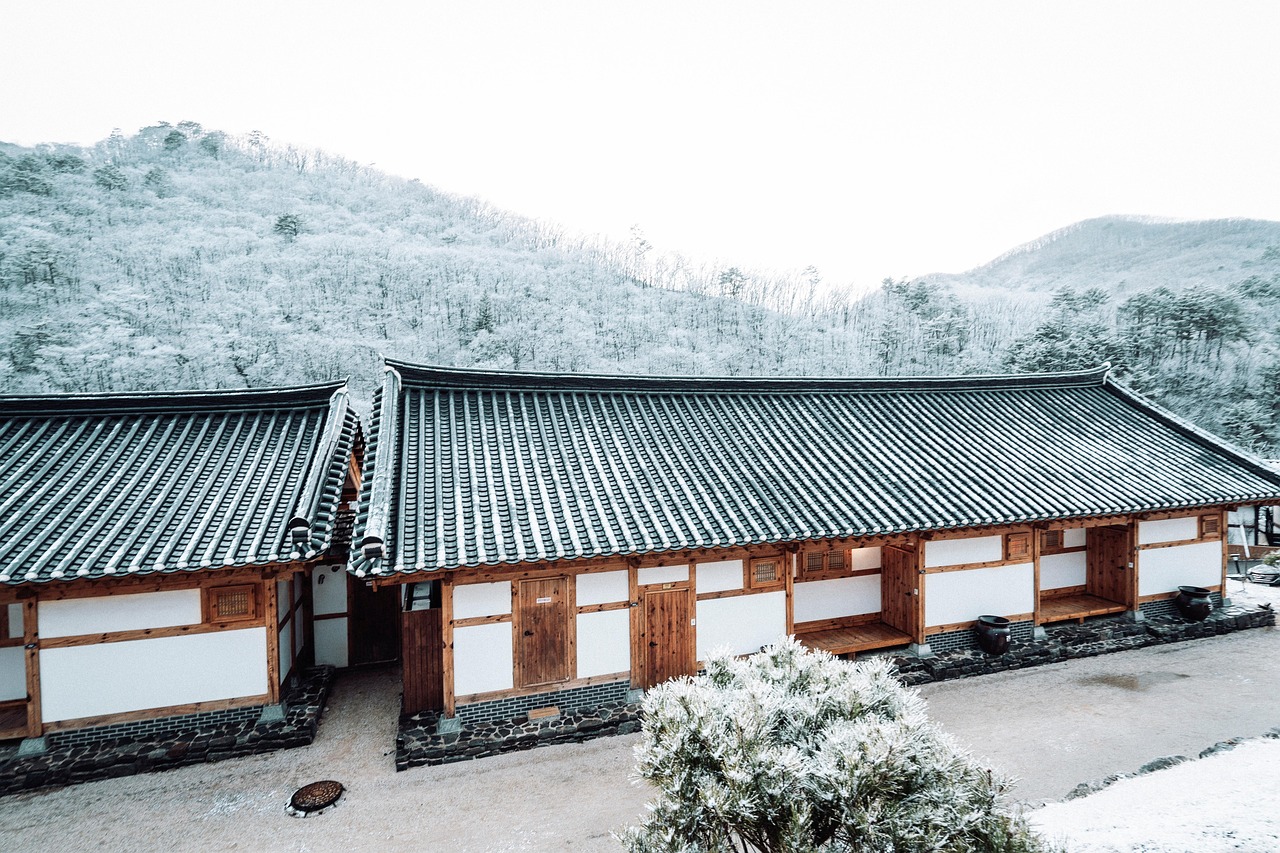
Korea is one of Asia’s most rewarding destinations — efficient, safe, and packed with food, history, and culture. But first-time visitors make the same avoidable mistakes every year. From misreading the transport system to accidentally offending a host, these missteps can cost you time, money, and goodwill. Here is what to watch out for before you land — and if you ever get stuck, remember the 1330 Korea Travel Helpline offers free multilingual assistance around the clock.
Mishandling Money and Payments
Korea is heavily cash-friendly in ways that surprise Western travelers used to tapping their card everywhere. Markets like Gwangjang Market in Seoul or Jagalchi Fish Market in Busan are almost entirely cash-only. Many small restaurants in neighborhoods like Ikseon-dong or Gamcheon Culture Village will not accept foreign cards at all.
Withdraw Korean Won (KRW) from a GS25 or CU convenience store ATM right after landing — these machines reliably accept foreign Visa and Mastercard. The rate is typically better than airport exchange counters. Budget roughly 10,000–15,000 KRW per street food meal and 30,000–60,000 KRW per sit-down restaurant meal for two.
A second money mistake: forgetting that tipping is not just unnecessary in Korea — it can feel rude. Unlike Japan where the custom is softening, in Korea leaving cash on the table after a meal is simply confusing to staff. Skip it entirely.
Finally, do not overlook the T-money card. Load it at any convenience store (minimum 1,000 KRW, top-up in 1,000 KRW increments) and use it on every Seoul subway, bus, and even some taxis — and while you’re setting up local essentials, it’s worth reading up on public wifi and privacy in Korea before connecting to free hotspots at stations and cafes. A single subway trip costs 1,400–1,550 KRW with T-money versus paying cash at the gate, which many stations do not even allow.
Getting the Transport Logic Wrong
Korea’s intercity transport is excellent but requires booking ahead. KTX high-speed rail from Seoul to Busan (about 2.5 hours, 59,800 KRW standard) sells out on weekends and holidays weeks in advance. Do not assume you can walk up to Seoul Station and grab a seat for the same day during Chuseok or Lunar New Year — trains are fully booked months out.
Within Seoul, tourists frequently waste money on taxis when the subway covers 95% of sightseeing spots faster. The No. 4 line reaches Myeongdong, Dongdaemun, and Changdeokgung. Line 2 loops through Hongdae, Sinchon, and Gangnam. A taxi from Hongdae to Gyeongbokgung can cost 12,000–15,000 KRW in traffic; the subway does it in 20 minutes for 1,400 KRW.
Also: Kakao Taxi is far more reliable than hailing on the street, especially late at night in areas like Itaewon or Sinchon. Download the app before you arrive and link a Korean-compatible payment method, and pair it with a good map app for Korea since Google Maps has limited transit data there, or just pay cash on arrival.
Ignoring Cultural Etiquette at Restaurants and Temples
Korea has specific dining customs that differ significantly from other Asian countries. Sitting down and pouring your own drink before pouring for your dining companions is considered impolite. Watch what locals do: pour for others first, and wait for the eldest person at the table to lift their spoon before you start eating.
At Buddhist temples — Jogyesa in central Seoul, Haedong Yonggungsa in Busan, Tongdosa in South Gyeongsang — dress modestly. Shorts and sleeveless tops are a problem at many temple grounds. Some temples provide wrap skirts at the entrance, but not all. Keep a light layer in your bag.
Removing shoes is required at traditional restaurants (those with floor seating), many guesthouses and hanok stays, and all home visits. If you see a step up at the entrance and no shoes beyond it, take yours off. Wearing clean socks every day is not optional advice.
Poor Planning Around Seasons and Holidays
Korea’s peak seasons are cherry blossom (late March to mid-April) and autumn foliage (mid-October to mid-November). During these windows, hotel prices in Seoul and Busan double or triple. A mid-range room in Myeongdong that costs 80,000 KRW in February can run 180,000–220,000 KRW in early April. Book accommodation three to four months out if you are traveling during these periods.
Chuseok (Korean Thanksgiving, usually late September or early October) and Seollal (Lunar New Year, late January or February) shut down most independent restaurants, markets, and smaller attractions for three to five days. Major tourist sites like Gyeongbokgung Palace stay open, but everything around them — the street food stalls, the rental shops for hanbok, the nearby cafes — will be closed. Plan meals and activities carefully for those dates.
Summer (July–August) brings typhoon season and oppressive humidity, particularly in Busan and the southern coast. It is not a reason to avoid Korea, but pack light, moisture-wicking clothing and keep one eye on weather forecasts if you are planning coastal day trips.
What’s the etiquette inside a Korean convenience store?
Convenience stores are casual, but a few small habits will make transactions smoother and mark you as someone who knows the ropes. Baskets are usually stacked near the entrance — grab one if you’re buying more than two or three items, since browsing with an armful of snacks is awkward in the narrow aisles. At the register, it’s normal to place items on the counter rather than hand them over one by one, and card or phone payment is tapped or inserted at a small reader facing the customer, not handed to the clerk. If you’re eating at the in-store counter, plates and utensils for hot food (like ramyeon cups or dosirak trays) go in a small bin by the door when you’re done — clerks won’t clear tables for you, so bussing your own tray is expected and appreciated.
Bag fees are one thing many first-time visitors miss: plastic bags are not free, typically ₩50–100 as of 2026 — verify before visiting, since environmental rules and pricing shift periodically. If you’re stocking up on drinks or snacks for a train ride, it’s worth carrying a small tote instead. A genuinely useful local tip that doesn’t show up on most travel sites: many CU and GS25 branches near tourist areas keep a “foreigner-friendly” laminated card menu behind the counter showing photos of hot-bar items and dosirak with English names — if the clerk seems unsure what you’re pointing at, ask “메뉴판 있어요? (do you have a menu card?)” and they’ll often produce one, which is far faster than translating on your phone.
One comparison worth knowing: GS25 and CU both offer decent coffee machines (~₩1,000–1,800 as of 2026 — prices can change), but CU’s app-linked loyalty points are easier for short-term visitors to skip entirely, while GS25’s in-store “GS Fresh” self-checkout kiosks are faster if you’re only grabbing one or two items and want to avoid a queue. If you’re visiting for just a few days, stick with whichever chain is nearest — the product range and prices are close enough that chain loyalty rarely matters. If you’re staying longer or returning often, CU’s PB dessert lineup tends to rotate the most viral collaborations, so it’s the better choice when you’re chasing a specific trending snack you saw on social media.