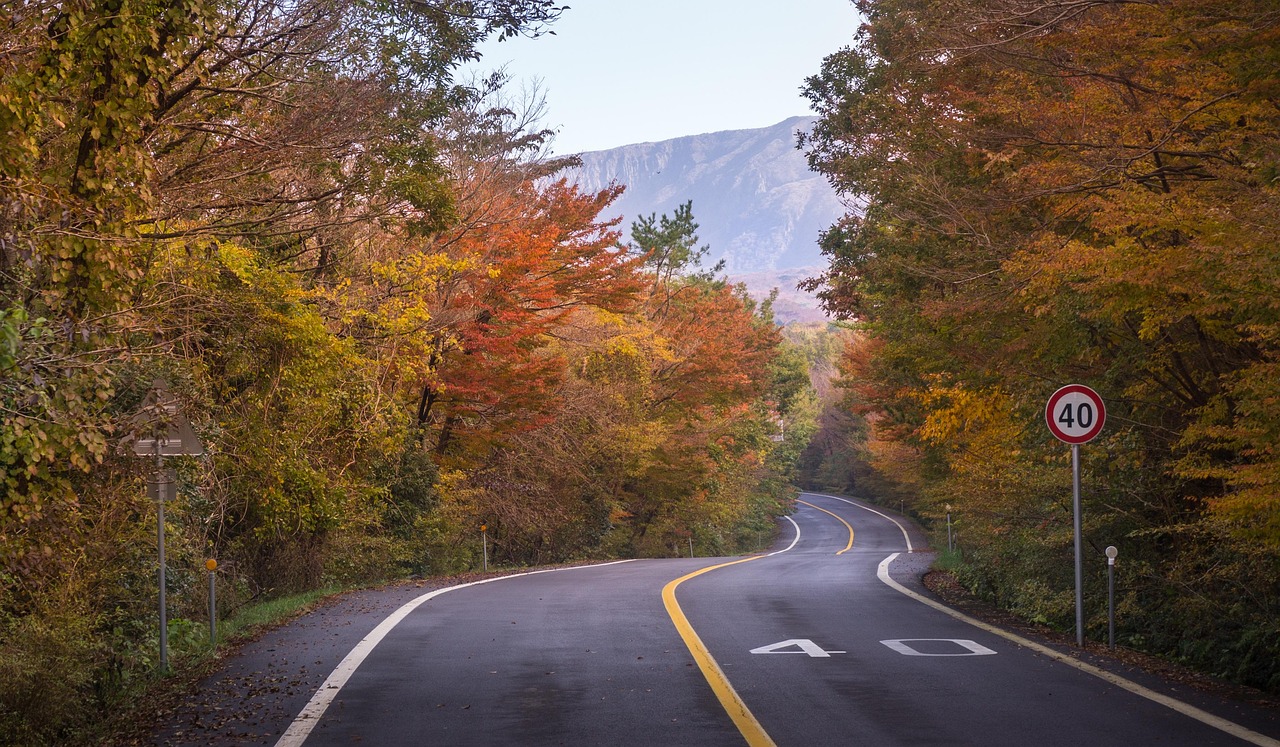
Sokcho is the gateway city to Seoraksan National Park, sitting on the northeastern coast of South Korea in Gangwon Province. Most visitors treat it as a quick overnight stop, but Sokcho and Seoraksan together deserve at least two full days — one for the mountain, one for the coast and the city’s excellent seafood market. The combination of dramatic granite peaks, Buddhist temples, a pristine lagoon, and fresh raw fish makes this one of the most rewarding trips you can take from Seoul — alongside other popular escapes like a DMZ tour or a day trip to Nami Island.
Getting here is straightforward. Express buses from Seoul’s Express Bus Terminal (센트럴 버스터미널, Gangnam area) run every 30 minutes and take about 2 hours 30 minutes. The fare is around 19,100 KRW one way. Alternatively, the KTX to Gangneung followed by an intercity bus to Sokcho takes about the same total time. From Sokcho Bus Terminal, local Bus No. 7 or 7-1 goes directly to the Seoraksan National Park entrance — about 30 minutes, 1,500 KRW.
Seoraksan National Park: What to See and How to Plan Your Day
Seoraksan is South Korea’s third-largest national park and widely considered its most scenic. The park entrance fee is 3,500 KRW for adults. From the main Sogongwon entrance, the trail network fans out into outer (Outer Seorak, 외설악) and inner (Inner Seorak, 내설악) sections. Day-trippers should focus on Outer Seorak, which holds the most iconic sights.
The Ulsanbawi Rock (울산바위) hike is the single best thing you can do here. The round trip is about 4 km and takes 3 to 4 hours. You pass Sinheungsa Temple (신흥사), a working Buddhist monastery founded over 1,300 years ago — entry is free — before the trail climbs steeply to a 808-step iron staircase bolted directly into the granite face. At the top, the panoramic view over the park’s jagged ridgeline and out toward the East Sea is exceptional. Start before 9 a.m. to avoid crowds on the staircase.
For a faster option, the Seoraksan Cable Car (설악산 케이블카) runs from near the entrance up to Gwongeumseong Fortress in about 5 minutes. Tickets cost 17,000 KRW round trip for adults. The fortress ruins at the top sit at 760 meters and offer sweeping views without a strenuous hike. Lines can be long on weekends — arrive at opening time (8:30 a.m.) or book online through the Seoraksan Cable Car website.
- Park entrance fee: 3,500 KRW
- Cable car round trip: 17,000 KRW
- Ulsanbawi hike: free after park entry, 3–4 hours round trip
- Best autumn foliage: mid to late October
- Park closes at dusk; last cable car is 1 hour before closing
Sokcho City: Abai Village, Expo Tower, and the Lagoon
Sokcho itself is compact and easy to explore on foot or by bicycle. The city sits between the East Sea and Cheongcho Lagoon (청초호), a calm inland lake that reflects the surrounding hills at dawn. Rent a bicycle near Sokcho Beach for around 8,000 KRW per hour and loop around the lagoon — it takes about 45 minutes.
Abai Village (아바이마을) is a small community originally settled by North Korean refugees after the Korean War. It sits on a narrow sandbar, and you cross by hand-pulled ferry (the classic photo op) for just 500 KRW. Inside the village, small restaurants serve abai sundae (아바이순대), a thick blood sausage stuffed with squid ink and glutinous rice that is unique to this region. A portion costs around 8,000–10,000 KRW and is not to be missed.
Sokcho Jungang Market (속초 중앙시장) is one of the best fish markets on the east coast. The second floor is lined with raw fish restaurants — a generous plate of hoe (회, sliced raw fish, typically flounder or salmon) with all the side dishes runs about 30,000–40,000 KRW for two people. Downstairs, look for dakgangjeong (닭강정, sweet crispy fried chicken bites), a Sokcho street food specialty that has its own alley inside the market. A box costs around 10,000 KRW.
Where to Stay and When to Visit
Accommodation clusters near the park entrance village (설악동) and along Sokcho Beach. Staying in the park village puts you closest to the trailheads but limits evening dining options. Sokcho Beach area has more restaurants, cafés, and convenience stores — it’s the better base for most travelers. Budget guesthouses and motels start at around 50,000–70,000 KRW per night; mid-range hotels near the beach run 100,000–150,000 KRW.
The best time to visit is autumn (September to November), when the maple and oak trees turn the mountainside orange and red. Seoraksan is considered one of the best autumn foliage spots in all of Korea, and peak color usually falls in the second or third week of October. Spring (April to May) brings azalea blooms on the upper ridges, similar to the bloom season on Seoul’s own Bukhansan hiking trails if you want a shorter climb closer to the city. Summer is warm but humid and the trails are crowded; winter is cold but quiet, and the snow-dusted peaks are genuinely beautiful for those willing to dress warmly.
Where to eat before or after the climb
Because Yongdusan Park sits right on top of Nampo-dong, you don’t need to plan a separate meal stop—you’re already standing above one of Busan’s densest eating districts. The question most visitors actually face is timing: eat before the climb, or save it for afterwards as a reward. If you’re arriving hungry from Jagalchi or Gukje Market, it’s worth eating first, since the escalator and the paths around the park have almost no food stalls of their own—just a couple of vending machines and a small kiosk selling drinks and ice cream near the tower entrance. Plan your meal into the Nampo streets below rather than expecting much on the hill itself.
For a quick, cheap option, the alleys running off Gwangbok-ro toward the escalator entrance have several hotteok (헬도검) and street-toast stalls that make a good pre-climb snack—expect to pay somewhere around ₩2,000–4,000 a piece, as of 2026, though street-vendor prices vary stall to stall and can change without notice. If you’d rather sit down properly, the backstreets between Nampo Station and the escalator are packed with small dwaeji gukbap (pork and rice soup) and milmyeon (wheat noodle) spots that are popular with Busan locals rather than tour groups—look for places with handwritten Korean-only menus and a line of ajusshi at lunchtime, that’s usually the sign of good, honestly priced food rather than a tourist markup.
The comparison worth making is Nampo versus Gukje Market itself. Nampo’s main streets are more polished—cafés, chain bakeries, dessert shops—and better if you want air conditioning and an English menu. Gukje Market, a few minutes further on foot, is grittier and cheaper, with produce stalls and old-school snack vendors; it suits travellers who want a more local, less curated food experience and don’t mind pointing at what looks good. Neither is objectively “better”—choose Nampo if you’re short on time or travelling with kids who want familiar options, and choose Gukje if you’re happy to wander and don’t mind a bit of trial and error.
One local tip that doesn’t show up on most guides: the small cafés on the upper stretch of Gwangbok-ro, closer to the escalator, tend to have the best window seating for watching the sunset light hit the tower itself—useful if you want a photo of Busan Tower from below rather than the view from the top. Grab a coffee there around 30–40 minutes before dusk and you’ll get both the shot and a rest for your legs before the last climb.