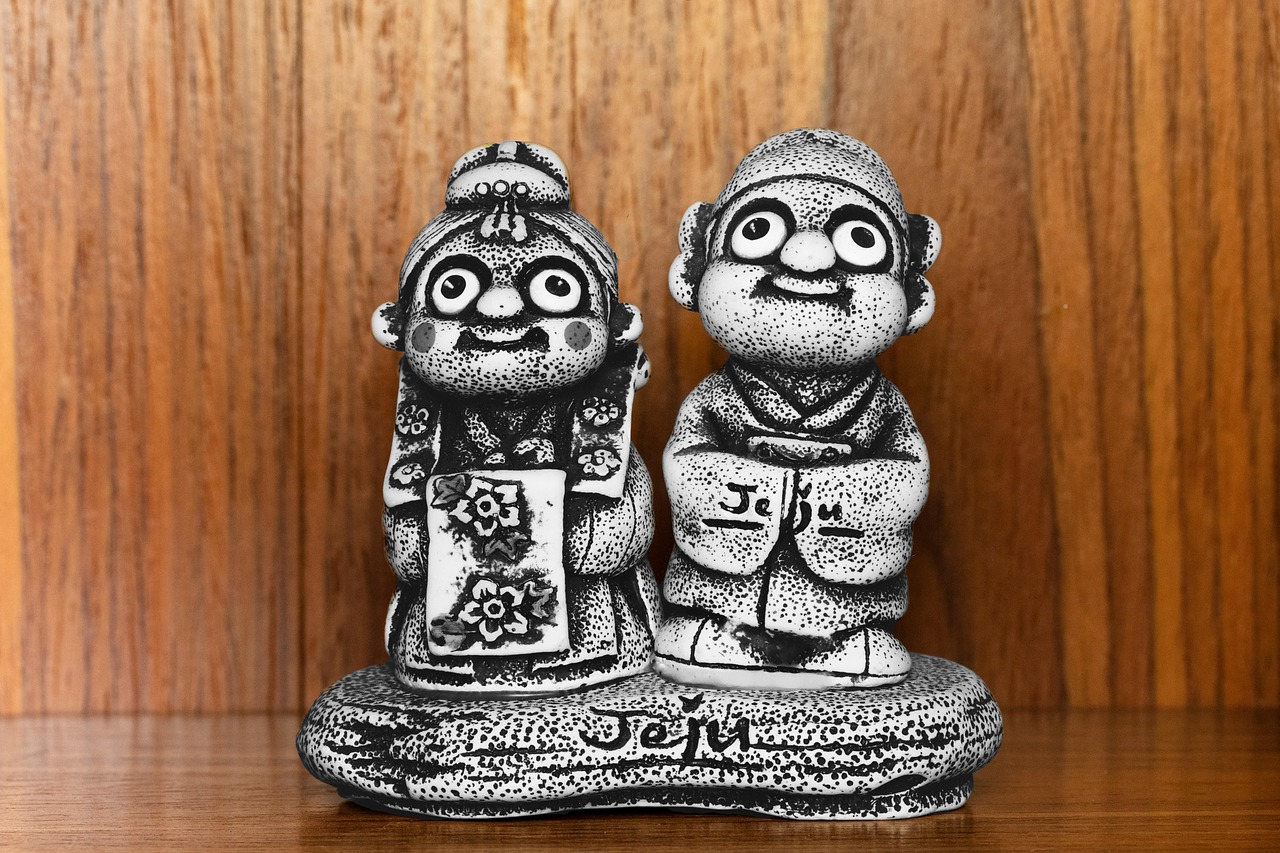
Korea is one of the most gift-friendly destinations in Asia. Markets overflow with beautifully packaged snacks, cosmetics that beat duty-free prices, and handcrafted ceramics wrapped so carefully they survive checked luggage without a scratch. The trick is knowing which items actually make the journey home and which ones turn into a soggy, broken mess inside your bag. This guide focuses on souvenirs that travel well — sturdy, lightweight, TSA-friendly, and worth every won. Prices below are current as of 2026 and can change, so verify before you visit.
Packaged Foods That Clear Customs Easily
Korean snacks are the single most popular souvenir category for good reason: they are sealed, dry, and inexpensive. Customs officers in most countries wave through commercially packaged, shelf-stable items without a second glance.
- Choco Pie (오리온 초코파이): A box of 12 costs around ₩3,500–₩4,500 at any convenience store. They stack flat in a suitcase and survive long-haul flights without crumbling. Pick them up at GS25, CU, or 7-Eleven — there is one on almost every block.
- Dried seaweed snacks (김스낵): Brands like Dongwon and CJ Haepyo sell individual snack packs for ₩800–₩1,500 each. A multipack from Emart or Homeplus runs ₩5,000–₩8,000. They weigh almost nothing and are universally loved.
- Honey butter almonds (허니버터아몬드): Gilim brand sells a 190 g bag for about ₩4,500 at convenience stores. Resealable bag, no liquid, no problem.
- Korean instant coffee mix (다방커피 믹스): A box of 100 Maxim mocha gold sticks costs roughly ₩12,000 at Daiso or Emart. Colleagues back home love these for their sweet, milky flavour.
Buy in bulk at Emart (이마트) on Wangsimni or Costco Korea in Yangjae, Seoul, where unit prices drop significantly compared to convenience store runs. For more general traditional market tips, Namdaemun Market in central Seoul also has wholesale snack vendors — walk to the basement level of the covered market near exit 5 of Hoehyeon Station (Line 4) for the best prices.
Korean Skincare and Beauty Products
If you plan on serious beauty shopping in Korea, know that K-beauty is famous worldwide, and buying directly in Korea saves 30–50 percent compared to overseas retailers. The challenge is that liquids and creams count toward carry-on limits, so the smartest move is to pack them in checked luggage or ship them home via Korea Post.
- Sheet masks: Mediheal N.M.F Aquaring masks are ₩1,200–₩1,500 each at Olive Young (올리브영). Buy a box of 10 for around ₩12,000. They are flat, individually wrapped, and weigh almost nothing. Olive Young has over 1,300 stores nationwide — the Myeongdong flagship on Myeongdong 8-gil is the largest in Korea.
- Snail cream: COSRX Advanced Snail 96 Mucin Power Essence retails for ₩18,000–₩22,000 at Olive Young or the brand’s own website. It is a 100 ml bottle — right at the carry-on limit — so buy at the airport duty-free after security to avoid issues.
- Sunscreen: Round Lab Birch Juice Moisturizing Sun Cream SPF50+ costs about ₩15,000 at Olive Young. Korean sunscreens have a lighter texture than Western formulas and are highly sought after internationally.
- Lip tints: rom&nd Juicy Lasting Tint in Bare series is ₩9,000 at Olive Young. Small, lightweight, and wildly popular — buy a few shades as gifts.
Incheon Airport duty-free (available after immigration) stocks most major K-beauty brands. Lotte Duty Free and Shilla Duty Free both have large cosmetics floors on Levels 3 and 4 of Terminal 1. Prices are roughly equivalent to Olive Young but you avoid carry-on liquid restrictions.
Lightweight Crafts and Ceramics
Traditional Korean crafts travel better than most people expect when packed correctly. The key items to look for are those with protective packaging already built in or those that are thin and flexible.
- Hanji (한지) notebooks and stationery: Hanji is handmade mulberry paper that is surprisingly tough. Small notebooks cost ₩5,000–₩12,000 at Insadong Ssamziegil (인사동 쌈지길), a four-storey craft market about a 3-minute walk from Anguk Station (Line 3), exit 6. These are flat, lightweight, and distinctive.
- Small celadon or buncheong bowls: A single tea bowl from Insadong ceramics shops runs ₩15,000–₩40,000. Ask the vendor to wrap it in bubble wrap and a cloth bag — most do this as standard practice. Pack it in the centre of your clothing in checked luggage and it will arrive intact.
- Pojagi (보자기) wrapping cloth: Traditional silk or ramie patchwork squares used for wrapping gifts. They fold completely flat and cost ₩10,000–₩30,000 at Namdaemun Market or the Korean Folk Village shop in Suwon. These double as a scarf or table runner at home.
- Brass spoons and chopsticks (수저 세트): A boxed set of Korean flat chopsticks and a long-handled spoon costs ₩8,000–₩15,000 at Namdaemun or Gwangjang Market. Metal travels fine in checked bags. Traditional Korean etiquette says both utensils always arrive together, making the set a thoughtful, culturally specific gift.
If you are visiting Gyeongju or Jeonju, local ceramic workshops often sell seconds at steep discounts. In Jeonju Hanok Village, walk along Cheongyeon-gil (청연길) — the street parallel to the main tourist strip — for smaller workshops with lower prices than the front-facing shops.
Practical Tips for Getting Souvenirs Home Safely
Even the best souvenir is useless if it breaks or gets confiscated. Follow these steps before you leave Korea.
- Use Korea Post EMS for heavy or fragile orders: Go to any post office (우체국) and send a box home for roughly ₩25,000–₩40,000 for a 5 kg package to the USA or Australia. Fill out customs forms honestly — cosmetics and food require item-by-item listing. Post offices are open weekdays 9 am–6 pm; large branches in Myeongdong and near Seoul Station also open Saturdays.
- Claim the tourist VAT refund: For the full process, see these tourist tax refund basics — purchases over ₩30,000 at participating shops qualify for a 10 percent VAT refund. At Incheon Airport, go to the Global Blue or Korea Tax Free kiosks on Level 3 of Terminal 1 before check-in. Have receipts, your passport, and items accessible.
- Declare honestly at your home customs: Most countries allow small quantities of commercially packaged food and sealed cosmetics duty-free. Fresh food, kimchi in jars, and alcohol are where problems arise — kimchi is classified as a plant product in some countries and may be confiscated.