Korea’s dramatic coastlines, mountain peaks, and ancient temples make it one of Asia’s best destinations for watching the sun rise. Koreans themselves are serious about haedoji (해돋이) — the first sunrise — and many make pilgrimages specifically for it each New Year, timed around the same Seollal travel season when the whole country is on the move. But the best spots reward visitors year-round, and knowing where to go, how to get there, and what to bring separates a memorable dawn from a miserable shiver.
Homigot, Pohang: Korea’s Sunrise Capital
Homigot (호미곶) sits at the easternmost tip of the Korean peninsula — the spot that geographers call Korea’s “tail.” Every January 1st, hundreds of thousands gather here for the official national sunrise ceremony, but the setting is striking any morning of the year. The famous bronze Hand of Harmony sculpture rises from the sea just offshore, and watching the sun crest the horizon behind it makes for one of the most photographed shots in Korea.
- Getting there: Take a bus from Pohang Intercity Bus Terminal to Homigot (about 1 hour, ₩3,000). The first buses run around 5:30 a.m. on New Year’s Day specifically, but check the regular schedule otherwise — taxis from central Pohang cost around ₩25,000–₩30,000.
- Arrive by: 30 minutes before sunrise. Sunrise in summer is around 5:15 a.m.; in winter, closer to 7:30 a.m.
- Best spot: The concrete pier extending past the bronze hands gives you an unobstructed sea view and that iconic sculpture framing.
- Facilities: Parking is free. A small convenience store opens early for New Year’s crowds; otherwise bring your own hot coffee in a thermos.
Jeongdongjin, Gangneung: Sunrise at the World’s Closest Train Station to the Sea
Jeongdongjin (정동진) became nationally famous after appearing in the 1990s drama Sandglass, and its draw hasn’t faded. The train station sits almost literally on the beach — there are only a few metres of sand between the platform and the East Sea waves. Watching the sunrise from the platform while a slow train arrives is the kind of scene that stays with you.
The most practical approach is the overnight train from Seoul Cheongnyangni station. The Mugunghwa train departs around 11:40 p.m. and arrives at Jeongdongjin just before sunrise — tickets cost around ₩19,400 one way and sell out weeks in advance around New Year. For other times of year, the journey is easy to book same-day. Alternatively, take the KTX to Gangneung (2 hours from Seoul, from ₩27,600) and then a local bus or taxi 20 minutes north to Jeongdongjin.
- After sunrise: Walk up the hill to the giant hourglass monument (turned at the New Year) or browse the small seafood stalls that open by 7 a.m. Fresh ganjang gejang (raw crab in soy) and grilled fish run ₩8,000–₩15,000.
- Stay the night? Jeongdongjin has a handful of motels and pensions; expect ₩60,000–₩100,000 per night depending on season. New Year rates triple — book months out.
Seoraksan and Deogyusan: Mountain Sunrise for Hikers
If ocean sunrises aren’t your thing, Korea’s national parks deliver above-cloud dawns that feel almost otherworldly, and timing your climb around Korea’s best hiking seasons makes a real difference to trail conditions. Seoraksan National Park (설악산) is the classic choice in the northeast — the Ulsanbawi rock formation and Daecheongbong peak both face east and catch the first light brilliantly.
To reach Daecheongbong (1,708 m) for sunrise, most hikers do a night hike starting around midnight from Seorakdong terminal. The trail takes 4–5 hours one way; entry to the national park costs ₩4,500. There’s a mountain shelter (산장) near the summit with basic noodle meals and a warm room for resting — book online through the Korea National Park Service at least a month ahead (₩8,000–₩12,000 per person).
Deogyusan (덕유산) in the south offers a more accessible option. Take the Muju gondola (무주 곤도라, ₩14,000 round trip) up to near Hyangjeokbong peak — the gondola’s first car runs at 8:30 a.m. in summer, which misses the very first light but gives a spectacular show as the morning mist burns off the valleys below. Winter shutdowns vary, so check the Muju Resort website before visiting.
- Pack: Headlamp, extra layers (mountain temps can be 10°C colder than the valley), snacks, and a fully charged phone — check our seasonal packing list before you go. Trails are well-marked in Korean and have distance signs in kilometers.
- Check: Trail closures due to wildlife protection are common in spring (April–May). Confirm on the Korea National Park Service website (knps.or.kr) before your trip.
Ganghwado and Seoul Options: Sunrise Without Long Travel
Visitors based in Seoul don’t need to travel far. Manisan (마니산) on Ganghwado island — reachable by bus from Sinchon terminal in about 90 minutes (₩3,000) — has a peak at 469 m with an altar said to have been built by the legendary founder Dangun. The eastern face gets unobstructed sunrise views, and because it’s less famous than the coastal spots, crowds are thin.
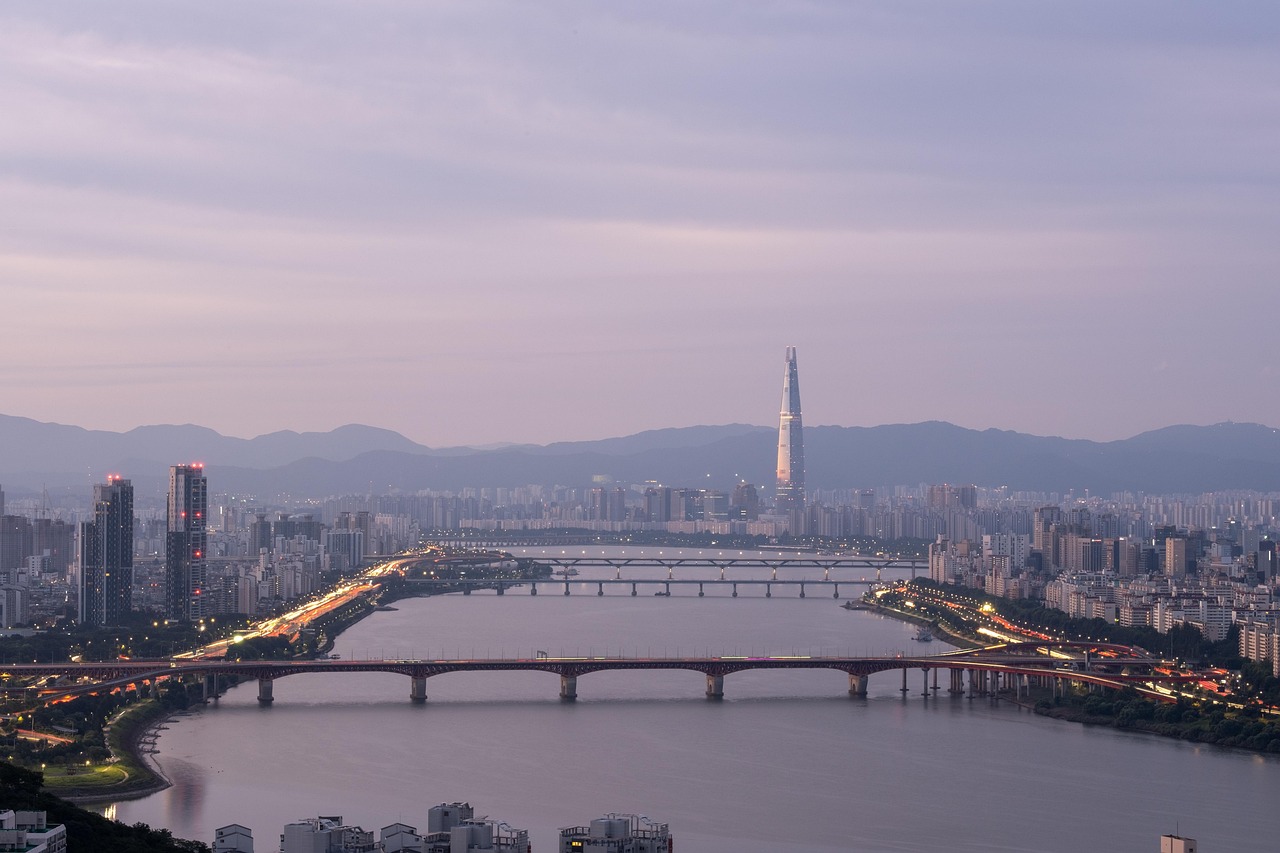
Within Seoul itself, Achasan (아차산, 285 m) in eastern Seoul is the favorite. The mountain name literally contains the character for morning — locals joke it was named for sunrises. Take subway line 5 to Achasan station (exit 2) and walk 30 minutes to the main ridge viewpoint. Entry is free, and the park path is lit well enough to navigate at dawn without a headlamp. The Han River glints below and the city skyline turns gold — a genuinely good show for a 30-minute walk from a subway station.
- Achasan tip: The ridge has several rest shelters with exercise equipment popular with early-morning regulars. They’ll point you to the best viewing angle if you ask.
- Ganghwado tip: Combine with a visit to the 5,500-year-old dolmen UNESCO site (고인돌) and Jeondeungsa temple — easy to fill a full day.